

 Submit Manuscript
 Peer Review
 Editor Work
Current Issue
 Previous Issue

2026, 15(5): 1487-1507.
 Abstract
 14340KB
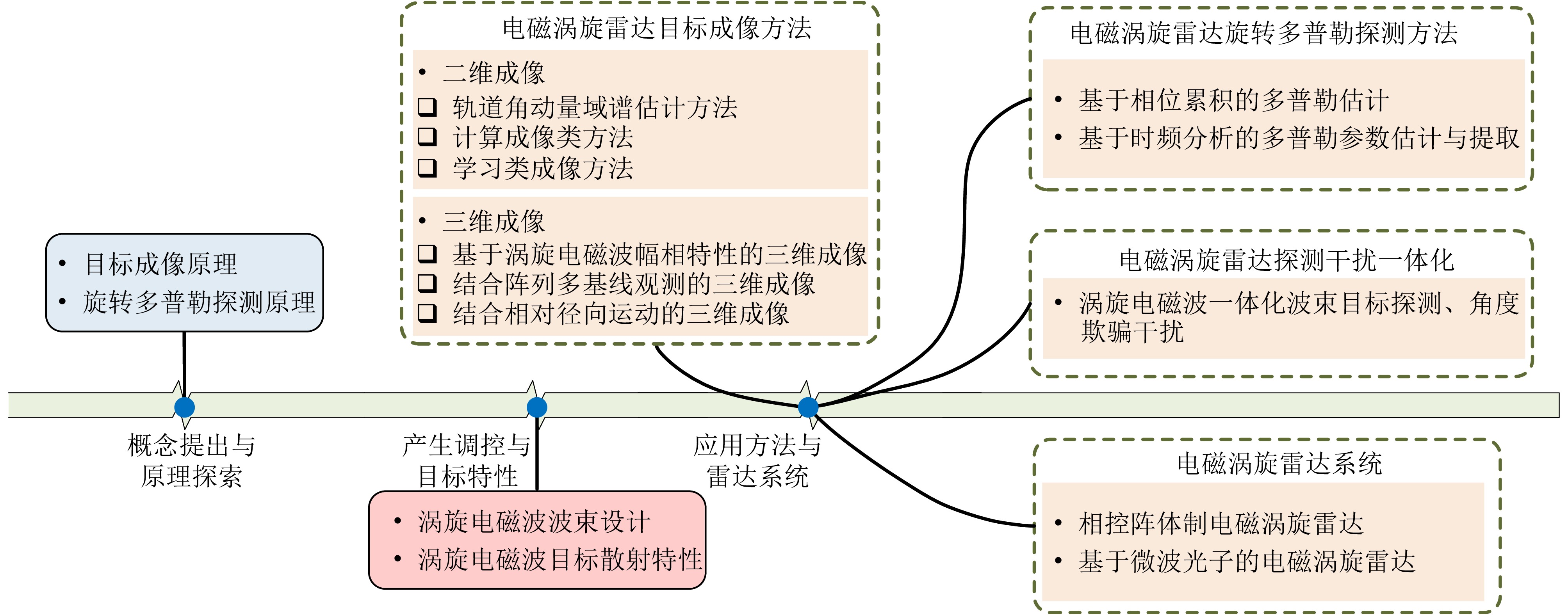
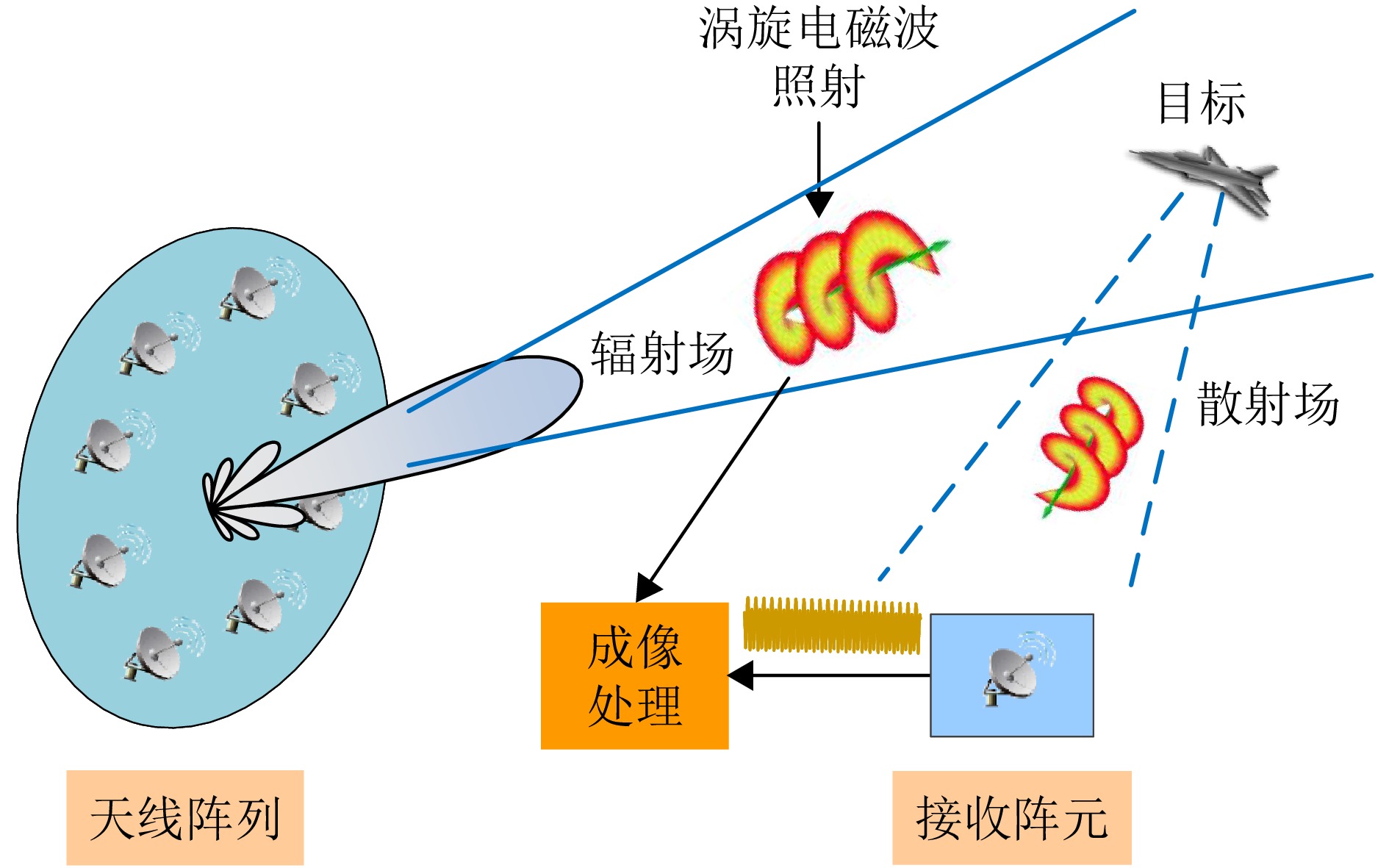
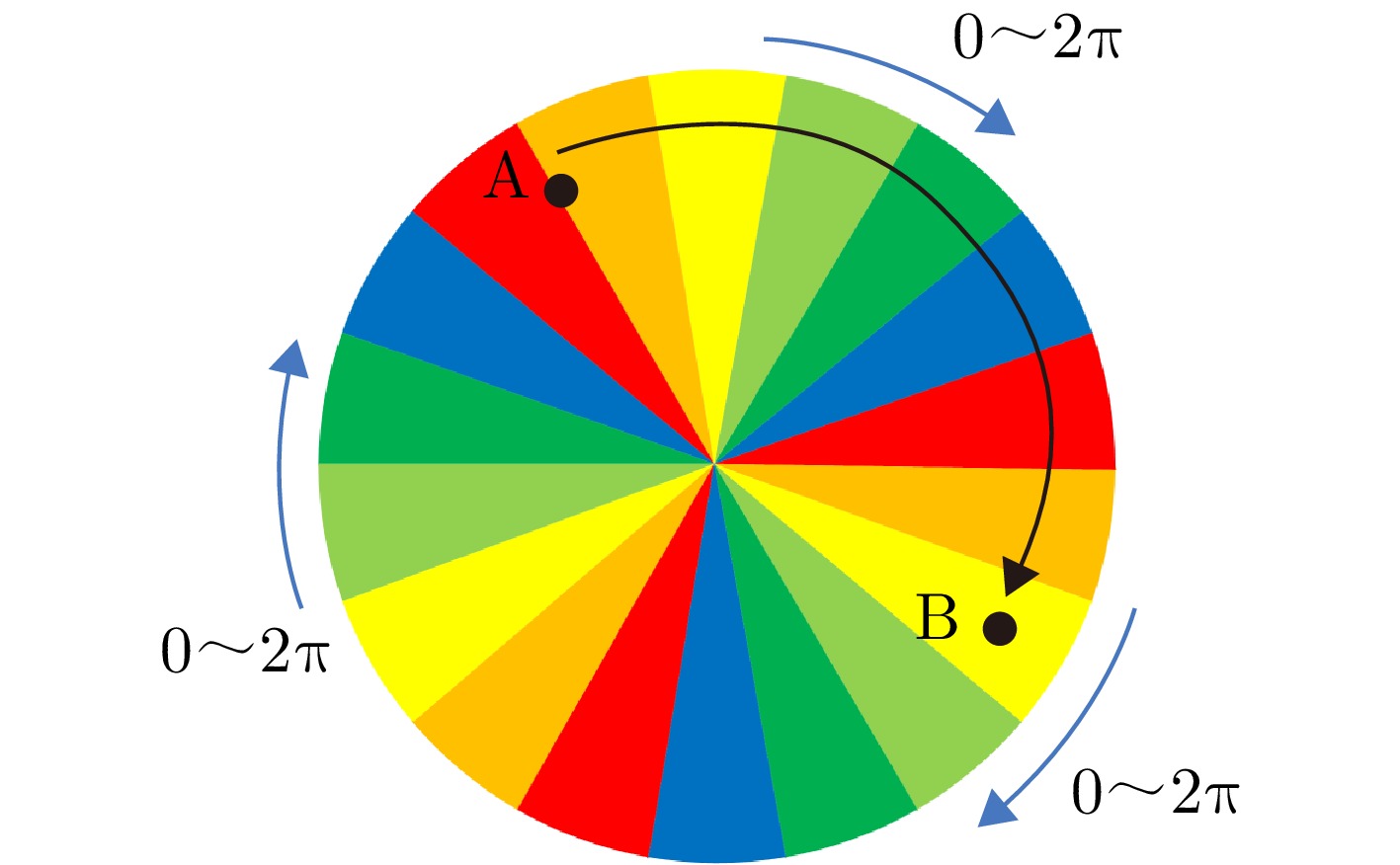
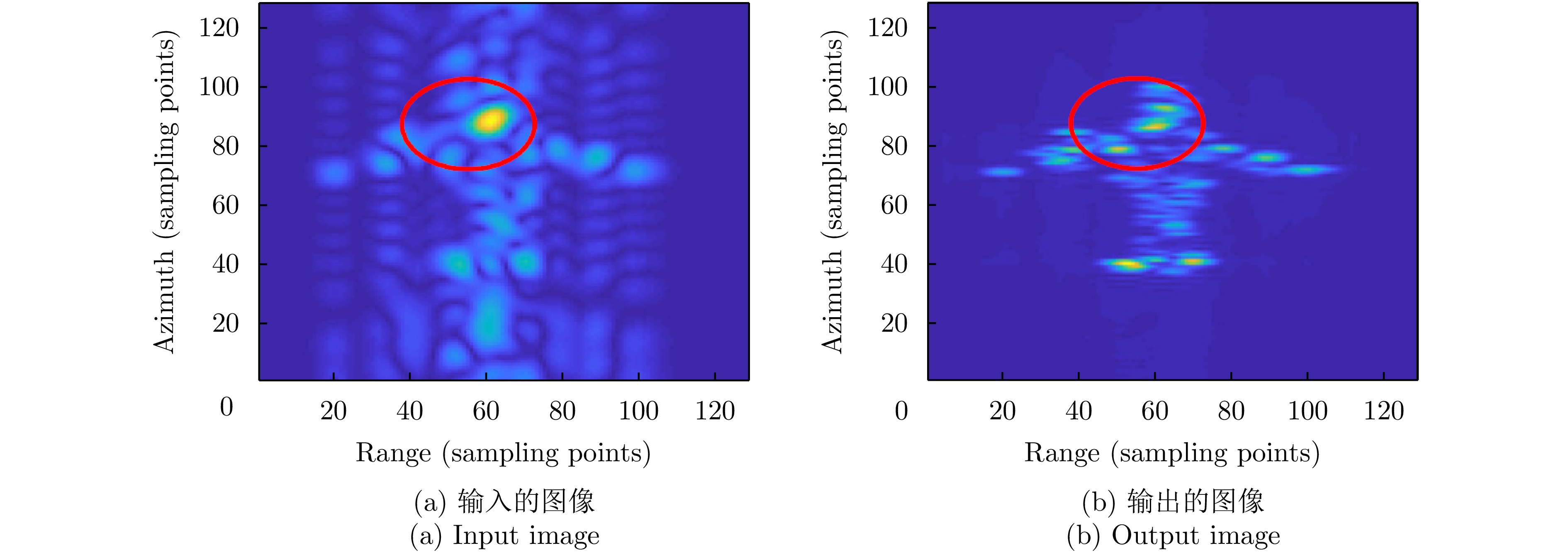
Improvements in the information transmission and acquisition capabilities of Electromagnetic (EM) waves generally provide the physical basis for enhancing radar target detection performance. Beyond conventional time, space, frequency, and polarization modulation schemes, vortex EM waves carrying orbital angular momentum enable radar target detection in a new information domain, i.e., the wavefront. In this paper, the principles of target detection and imaging using EM vortex radar are introduced, and its technical characteristics are analyzed. Subsequently, the beam manipulation and target scattering characteristics of EM vortex radar are overviewed. Furthermore, the historical development and recent advances in EM vortex radar applications are reviewed, including target imaging, rotational Doppler detection, integrated detection and jamming, and radar systems, with a focus on the corresponding signal processing approaches. Finally, the potential of vortex EM wave-based detection and jamming technologies is evaluated, and key application areas and several important scientific and technical challenges are discussed.
Improvements in the information transmission and acquisition capabilities of Electromagnetic (EM) waves generally provide the physical basis for enhancing radar target detection performance. Beyond conventional time, space, frequency, and polarization modulation schemes, vortex EM waves carrying orbital angular momentum enable radar target detection in a new information domain, i.e., the wavefront. In this paper, the principles of target detection and imaging using EM vortex radar are introduced, and its technical characteristics are analyzed. Subsequently, the beam manipulation and target scattering characteristics of EM vortex radar are overviewed. Furthermore, the historical development and recent advances in EM vortex radar applications are reviewed, including target imaging, rotational Doppler detection, integrated detection and jamming, and radar systems, with a focus on the corresponding signal processing approaches. Finally, the potential of vortex EM wave-based detection and jamming technologies is evaluated, and key application areas and several important scientific and technical challenges are discussed.









2026, 15(5): 1508-1527.
Traditional radar can detect moving targets. However, when the target velocity vector is perpendicular to the electromagnetic wave propagation direction, effectively obtaining the target’s angular motion information becomes difficult. This results in a detection blind zone for estimating the rotational motion trend of the target. Vortex electromagnetic waves carrying Orbital Angular Momentum (OAM) possess a helical phase structure and an annular radiation pattern. When interacting with rotating targets, these waves can induce a rotational Doppler effect, providing a new approach for acquiring angular motion information. Therefore, target detection methods based on the rotational Doppler effect of vortex electromagnetic waves have attracted extensive attention in recent years. This paper systematically reviews the research progress of rotational Doppler detection techniques using vortex electromagnetic waves, with a particular focus on studies in the microwave band. The reviewed studies include rotational Doppler detection methods based on phase and spectral features, methods based on OAM mode characteristics, and target micromotion detection methods based on vortex electromagnetic waves. Finally, this paper summarizes the major challenges in existing studies and provides an outlook on future research directions and potential applications.
Traditional radar can detect moving targets. However, when the target velocity vector is perpendicular to the electromagnetic wave propagation direction, effectively obtaining the target’s angular motion information becomes difficult. This results in a detection blind zone for estimating the rotational motion trend of the target. Vortex electromagnetic waves carrying Orbital Angular Momentum (OAM) possess a helical phase structure and an annular radiation pattern. When interacting with rotating targets, these waves can induce a rotational Doppler effect, providing a new approach for acquiring angular motion information. Therefore, target detection methods based on the rotational Doppler effect of vortex electromagnetic waves have attracted extensive attention in recent years. This paper systematically reviews the research progress of rotational Doppler detection techniques using vortex electromagnetic waves, with a particular focus on studies in the microwave band. The reviewed studies include rotational Doppler detection methods based on phase and spectral features, methods based on OAM mode characteristics, and target micromotion detection methods based on vortex electromagnetic waves. Finally, this paper summarizes the major challenges in existing studies and provides an outlook on future research directions and potential applications.



Research Advances and Applications of Microwave Photonic Broadband Vortex Electromagnetic Wave Radar
2026, 15(5): 1528-1551.
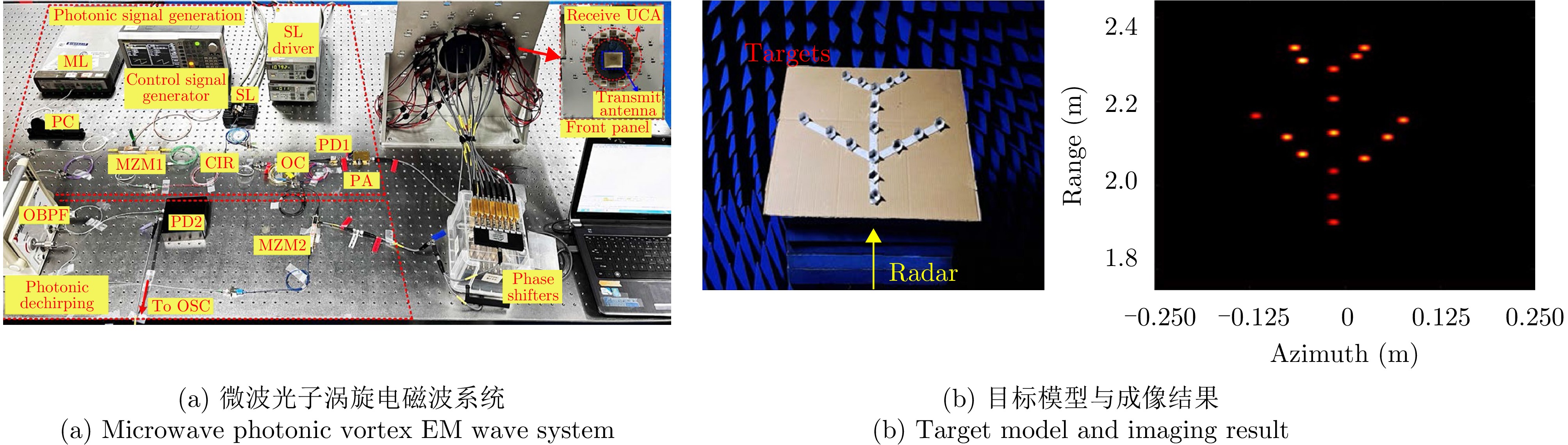
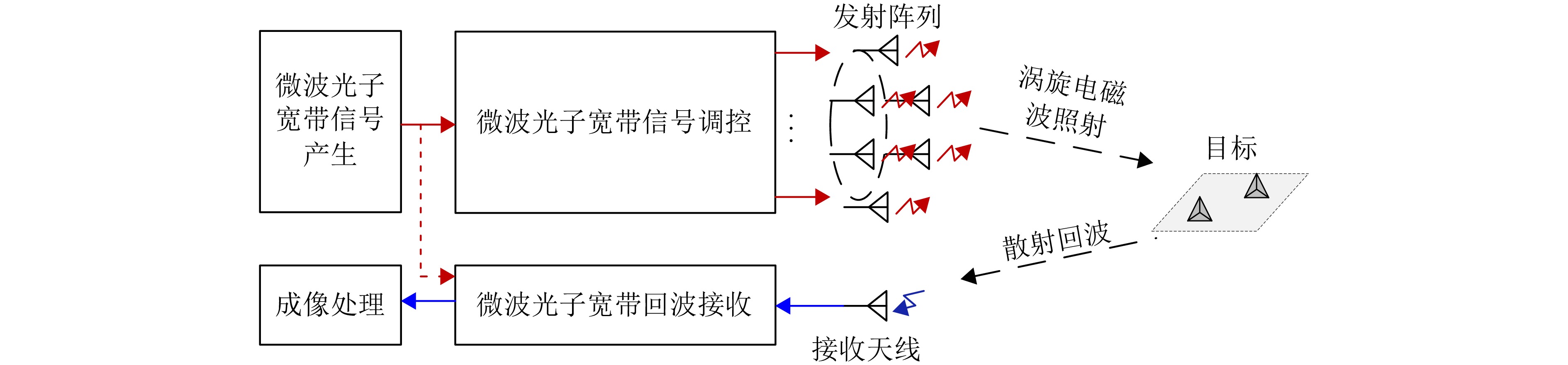
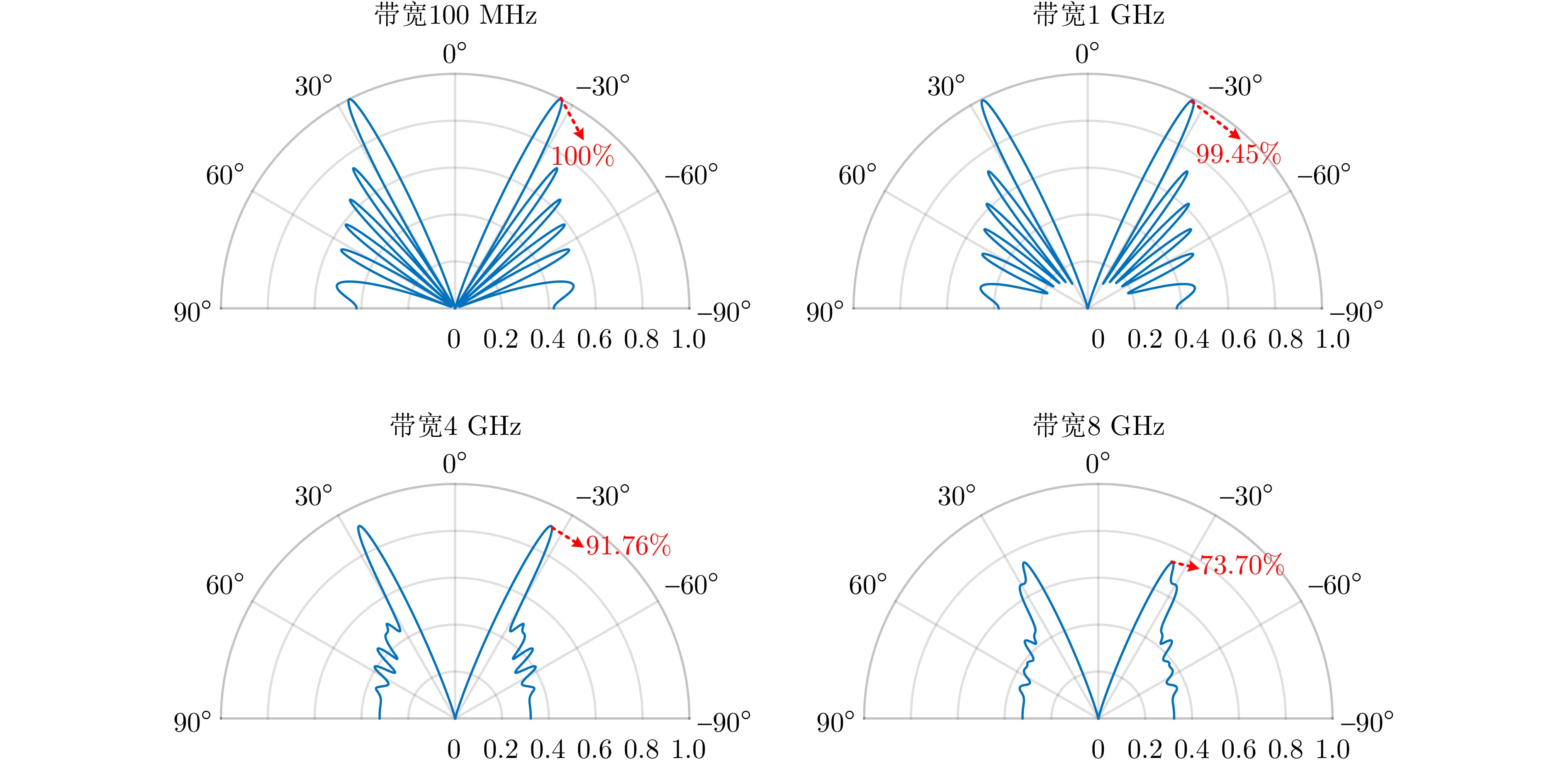
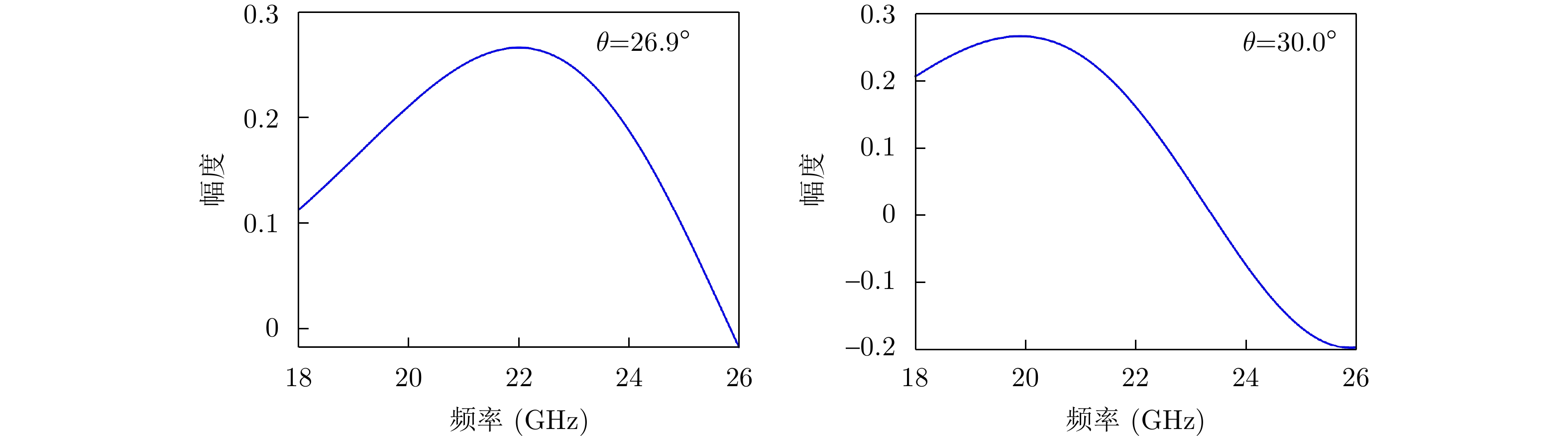
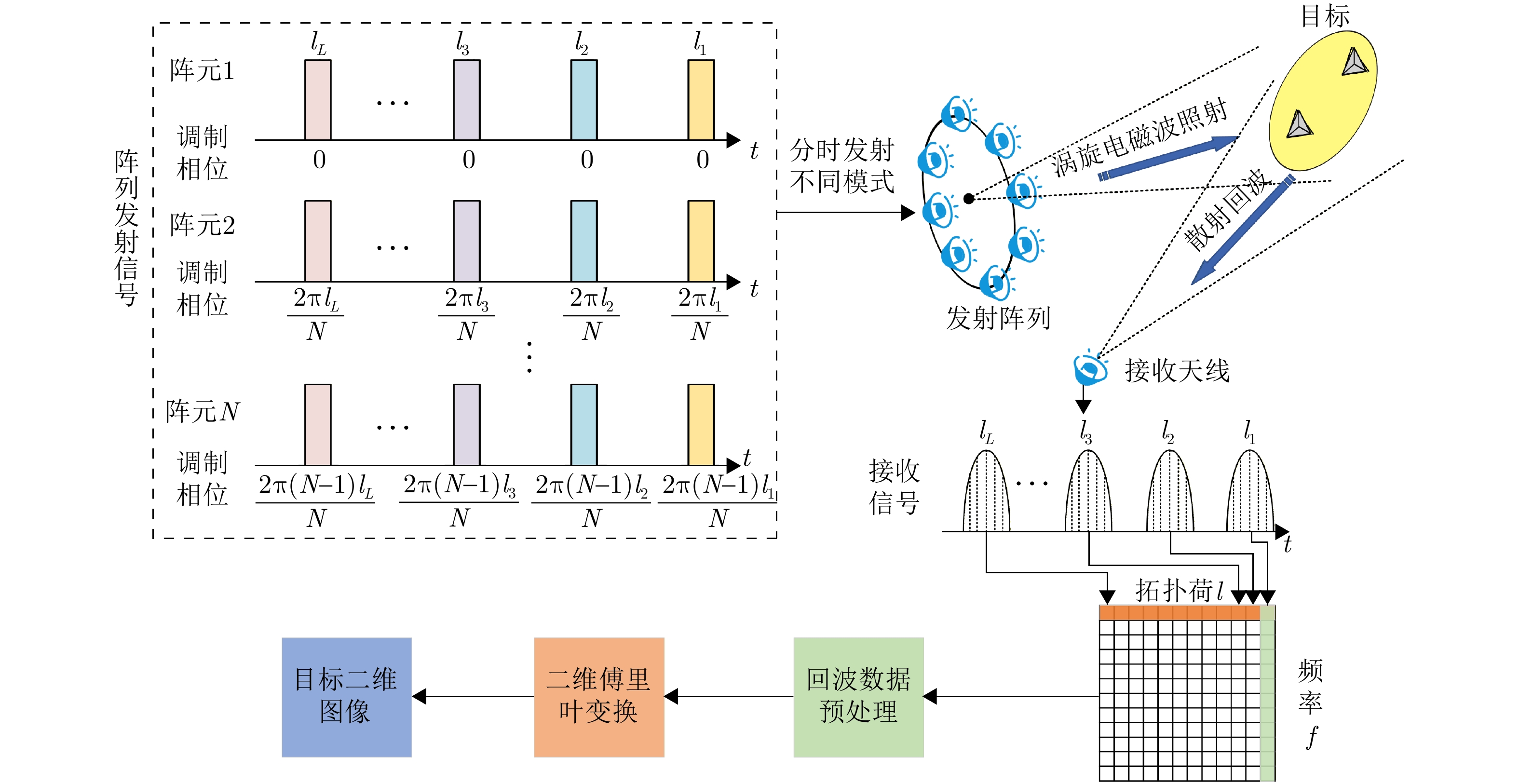
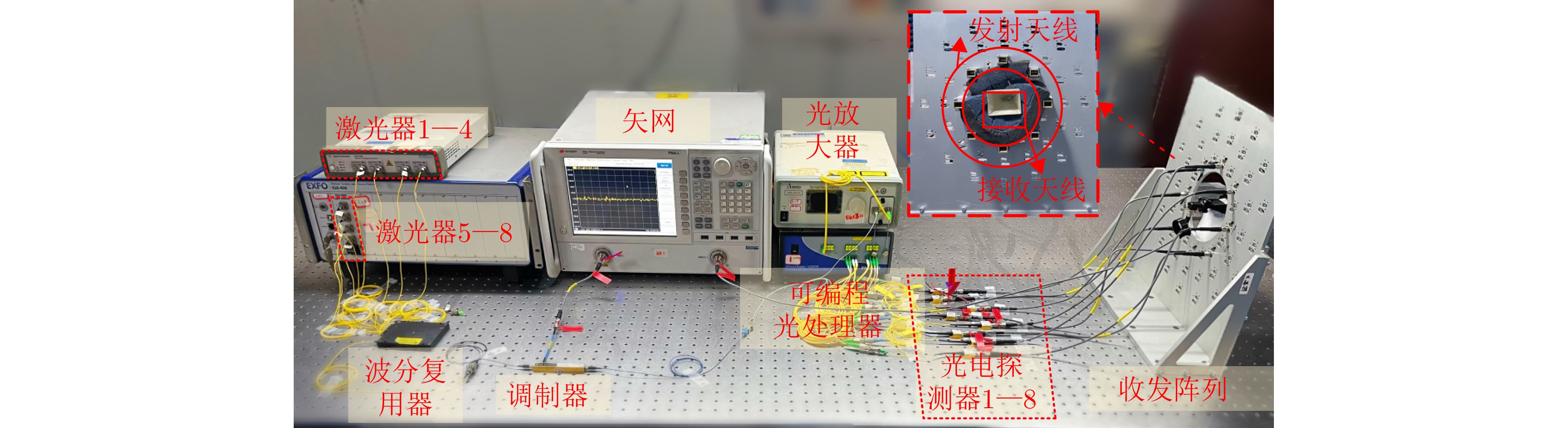
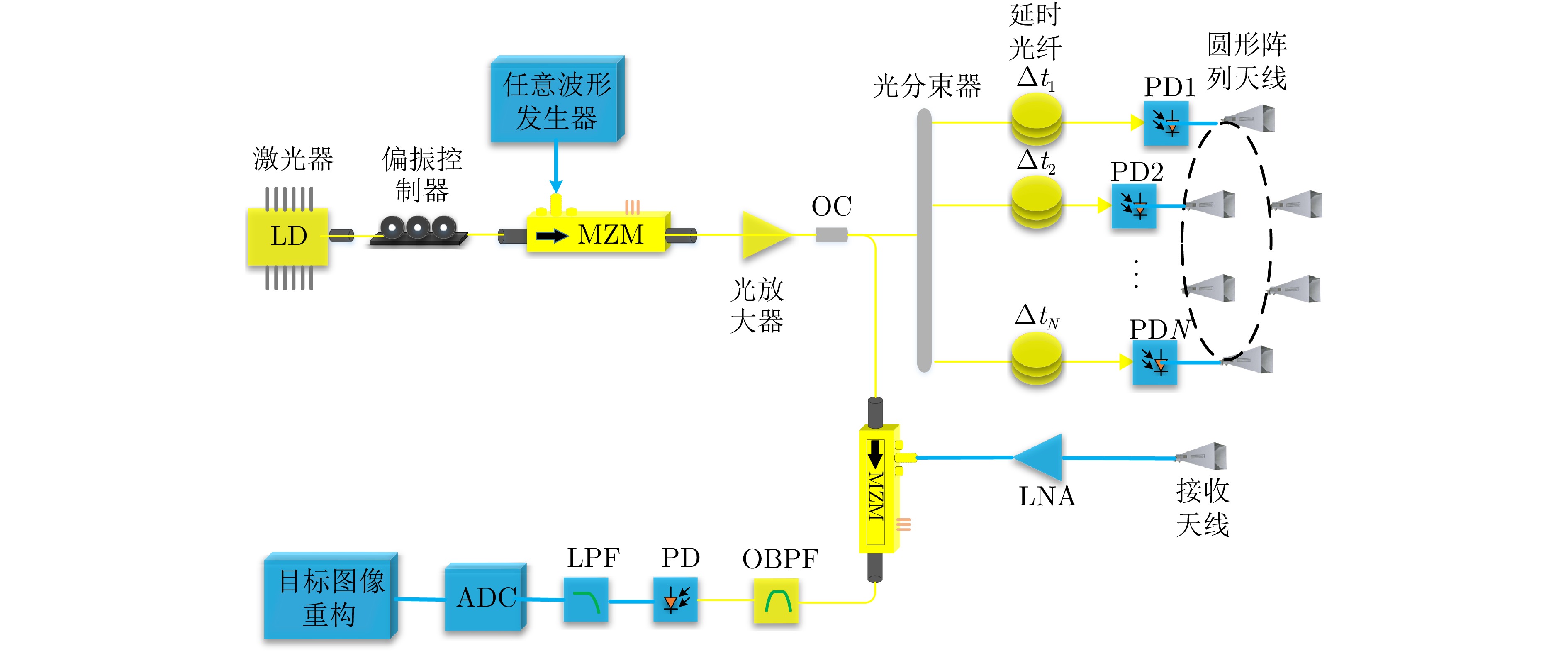
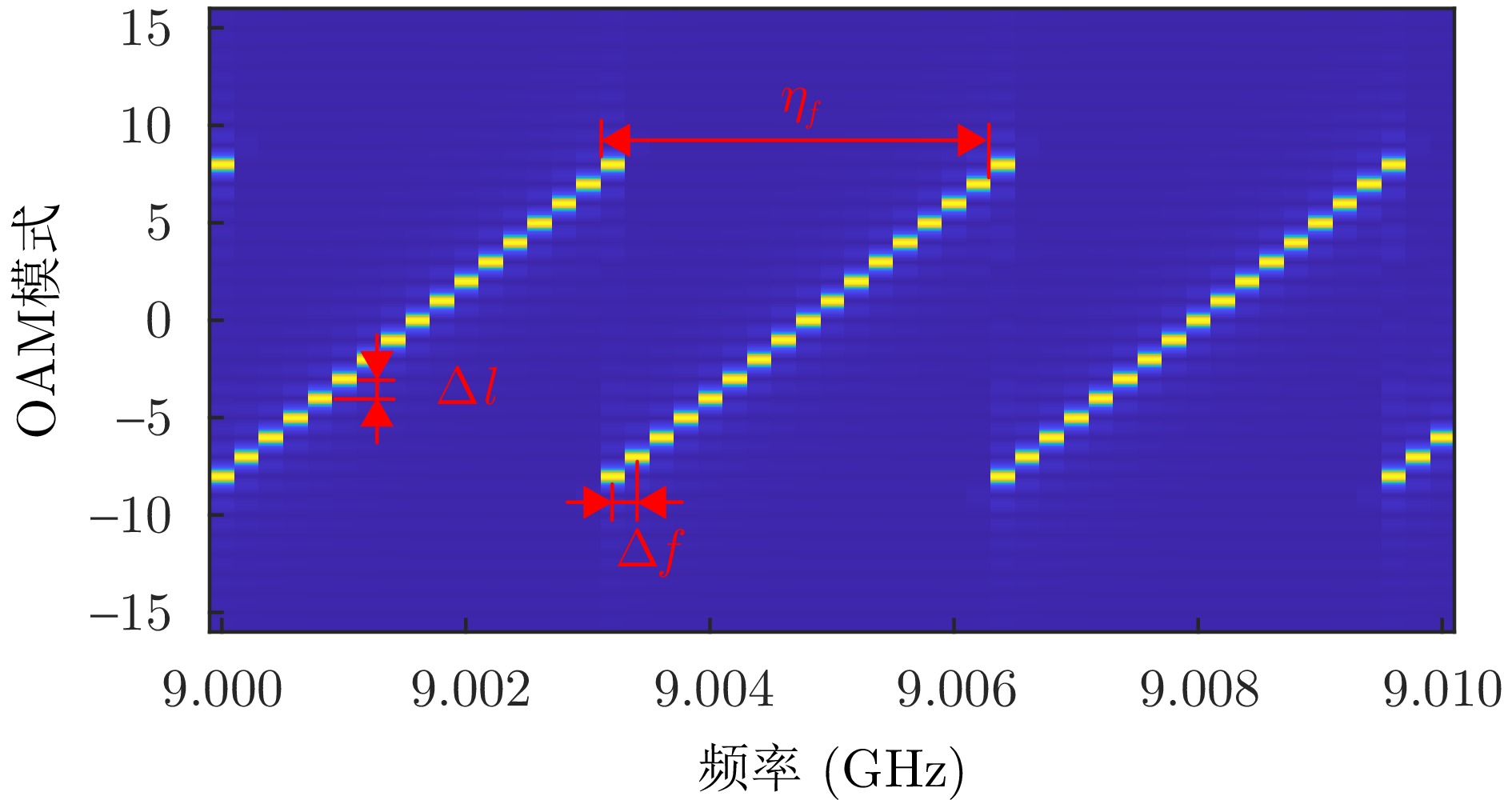
Vortex Electromagnetic (EM) wave radars utilize EM waves carrying orbital angular momentum to enrich target scattering information, thereby providing intrinsic in-beam azimuth resolution. Hence, this technology holds significant potential for advanced target detection and imaging. However, as sensing scenarios become more complex, conventional electronic vortex EM wave radars are increasingly limited by device bandwidth. Specifically, they encounter substantial challenges in broadband signal generation and control, making it difficult to achieve high range and azimuth resolutions simultaneously. Microwave photonics technology, with its inherent advantages of wide bandwidth, low transmission loss, and robustness against electromagnetic interference, is an effective resolution to overcome these limitations. This paper reviews recent progress in microwave photonic broadband vortex EM wave radars, addressing the requirements for forward-looking imaging. The fundamental system architectures and imaging mechanisms are elucidated, followed by a critical analysis of the frequency-dependent characteristics of broadband vortex waves and their implications for imaging performance. Key microwave photonic enabling technologies, including broadband phase shifting, optical beamforming, and broadband signal generation, are summarized, and their advantages over traditional electronic schemes in terms of performance are highlighted. Based on these insights, typical system implementation schemes are described, and their high-resolution forward-looking imaging capabilities are demonstrated through proof-of-concept experiments. Finally, future development trends and research directions are discussed.
Vortex Electromagnetic (EM) wave radars utilize EM waves carrying orbital angular momentum to enrich target scattering information, thereby providing intrinsic in-beam azimuth resolution. Hence, this technology holds significant potential for advanced target detection and imaging. However, as sensing scenarios become more complex, conventional electronic vortex EM wave radars are increasingly limited by device bandwidth. Specifically, they encounter substantial challenges in broadband signal generation and control, making it difficult to achieve high range and azimuth resolutions simultaneously. Microwave photonics technology, with its inherent advantages of wide bandwidth, low transmission loss, and robustness against electromagnetic interference, is an effective resolution to overcome these limitations. This paper reviews recent progress in microwave photonic broadband vortex EM wave radars, addressing the requirements for forward-looking imaging. The fundamental system architectures and imaging mechanisms are elucidated, followed by a critical analysis of the frequency-dependent characteristics of broadband vortex waves and their implications for imaging performance. Key microwave photonic enabling technologies, including broadband phase shifting, optical beamforming, and broadband signal generation, are summarized, and their advantages over traditional electronic schemes in terms of performance are highlighted. Based on these insights, typical system implementation schemes are described, and their high-resolution forward-looking imaging capabilities are demonstrated through proof-of-concept experiments. Finally, future development trends and research directions are discussed.








2026, 15(5): 1552-1565.
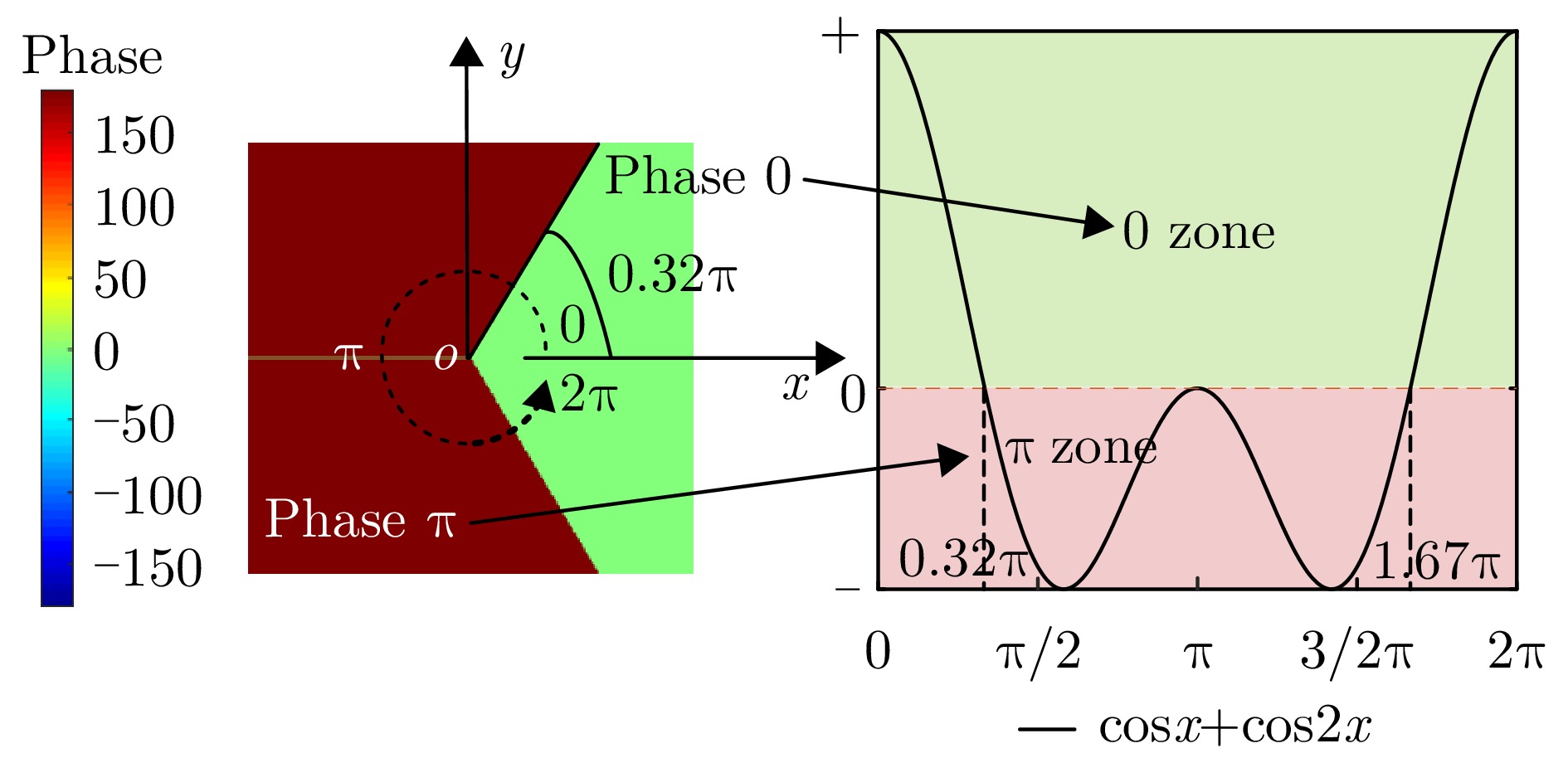
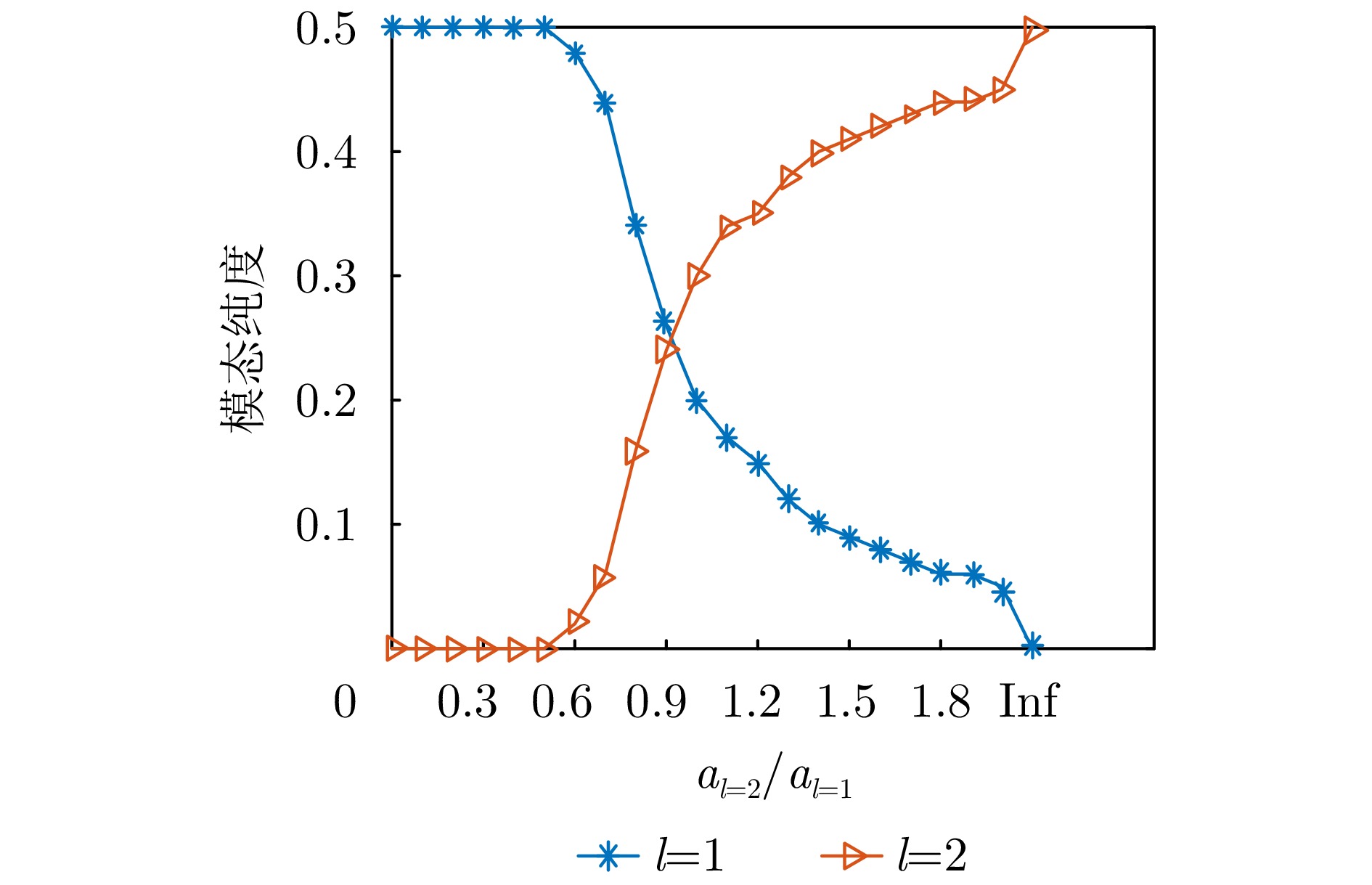
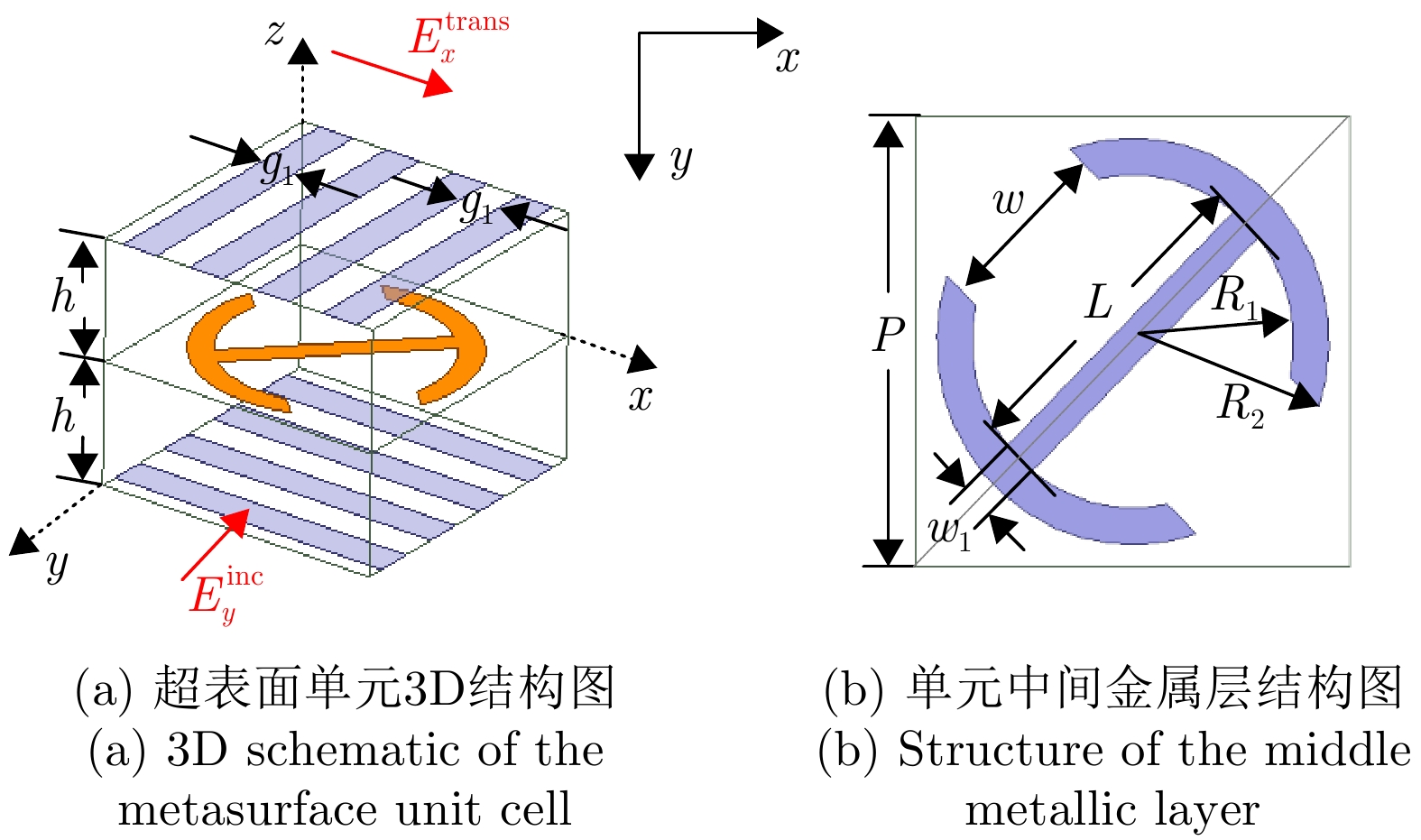
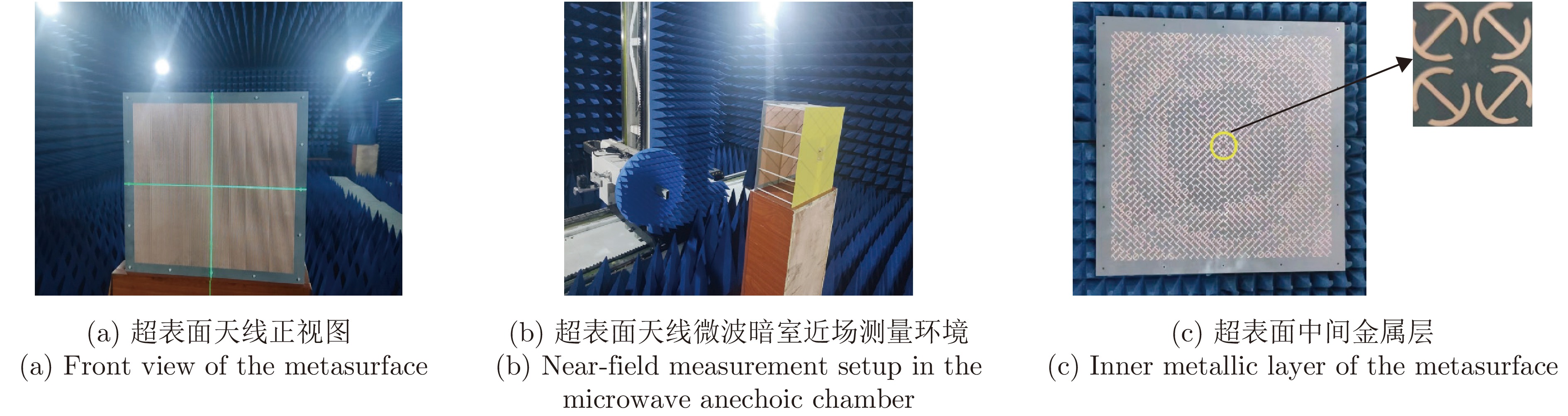
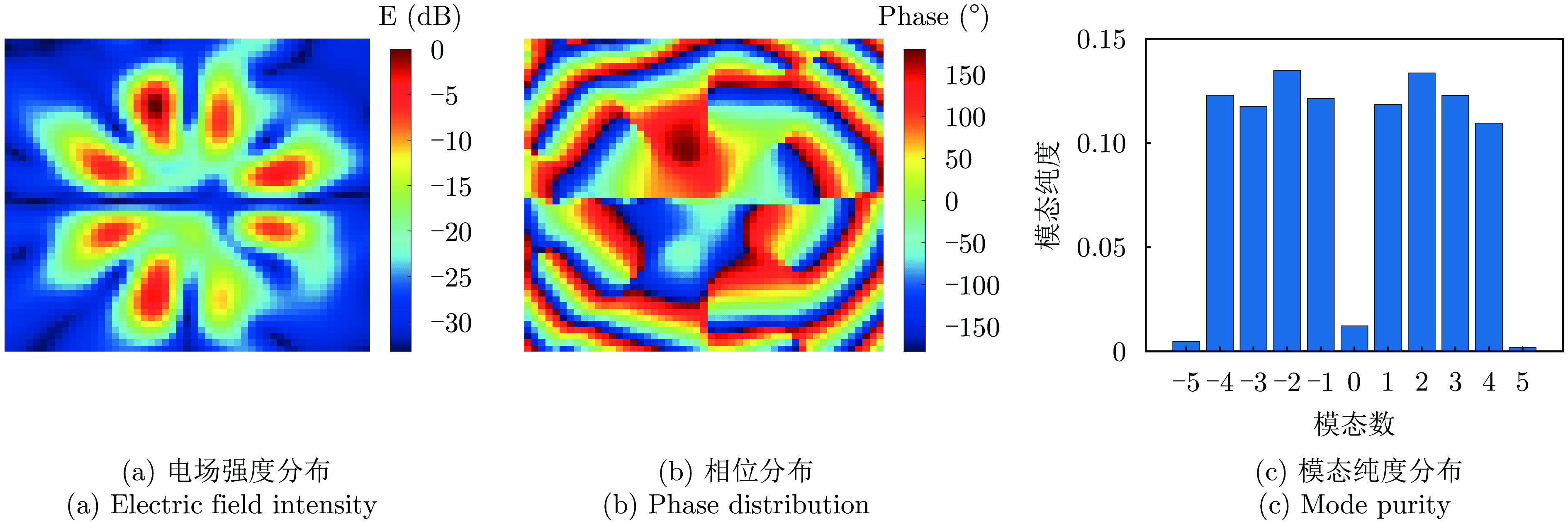
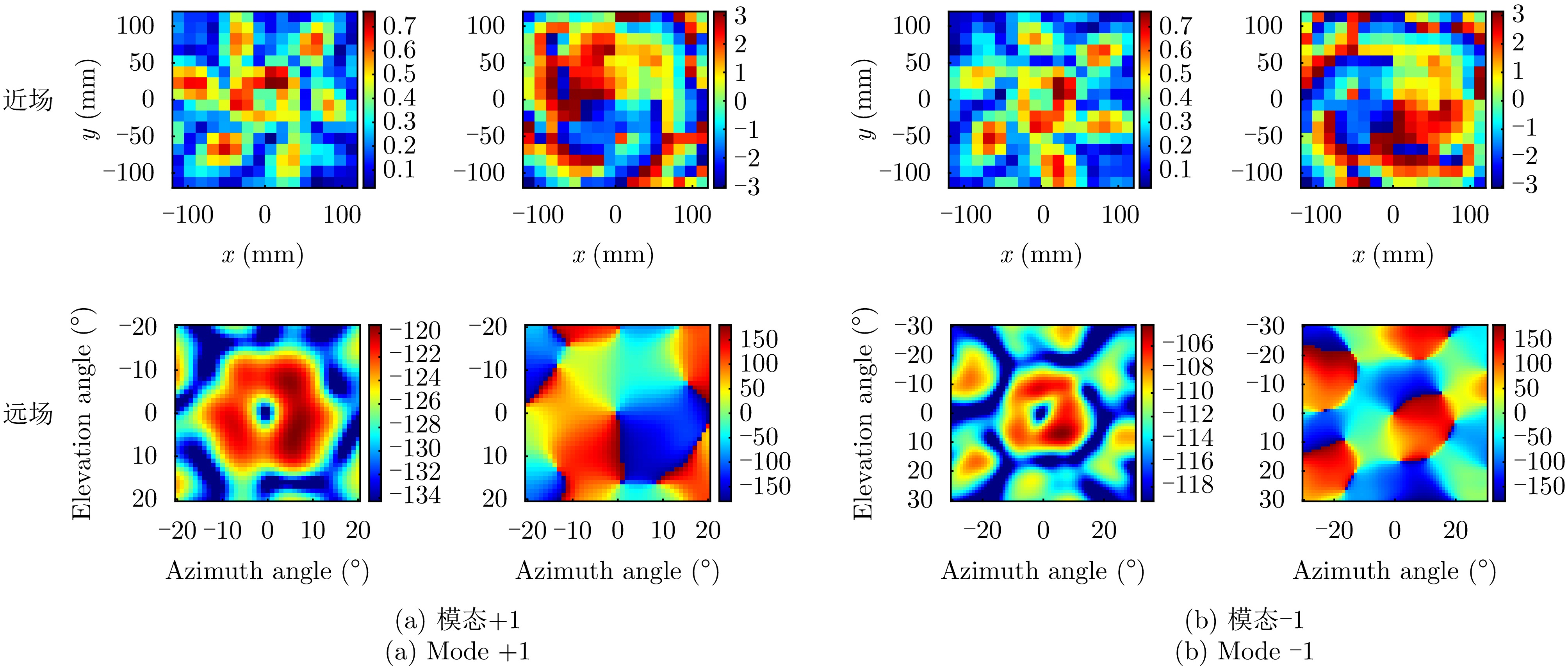
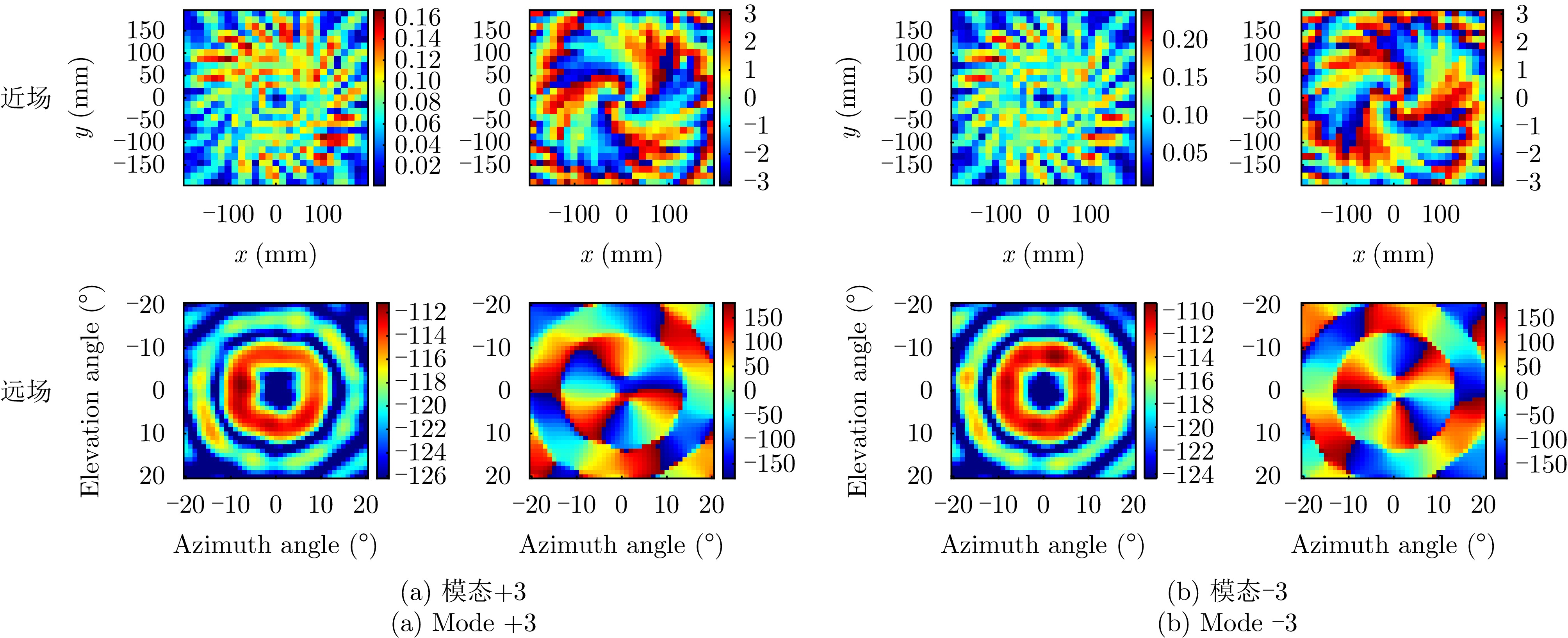
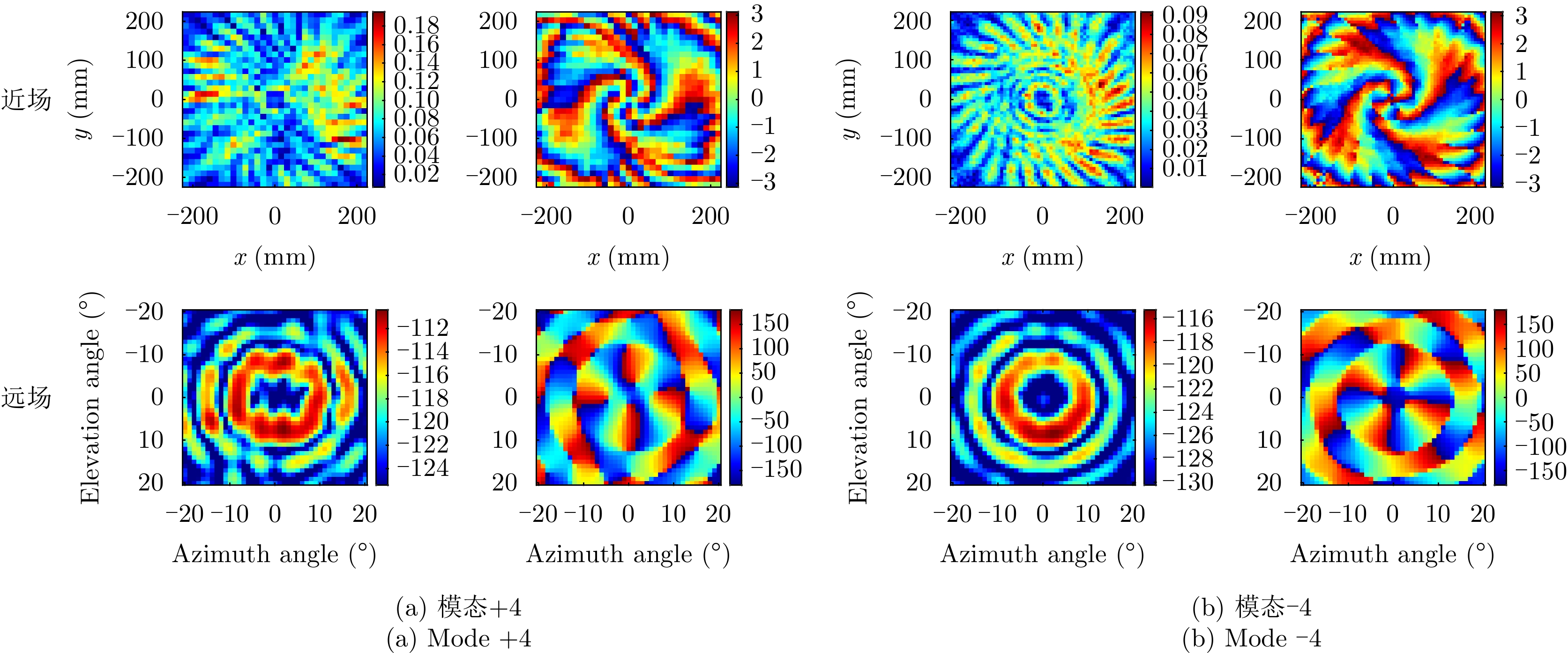
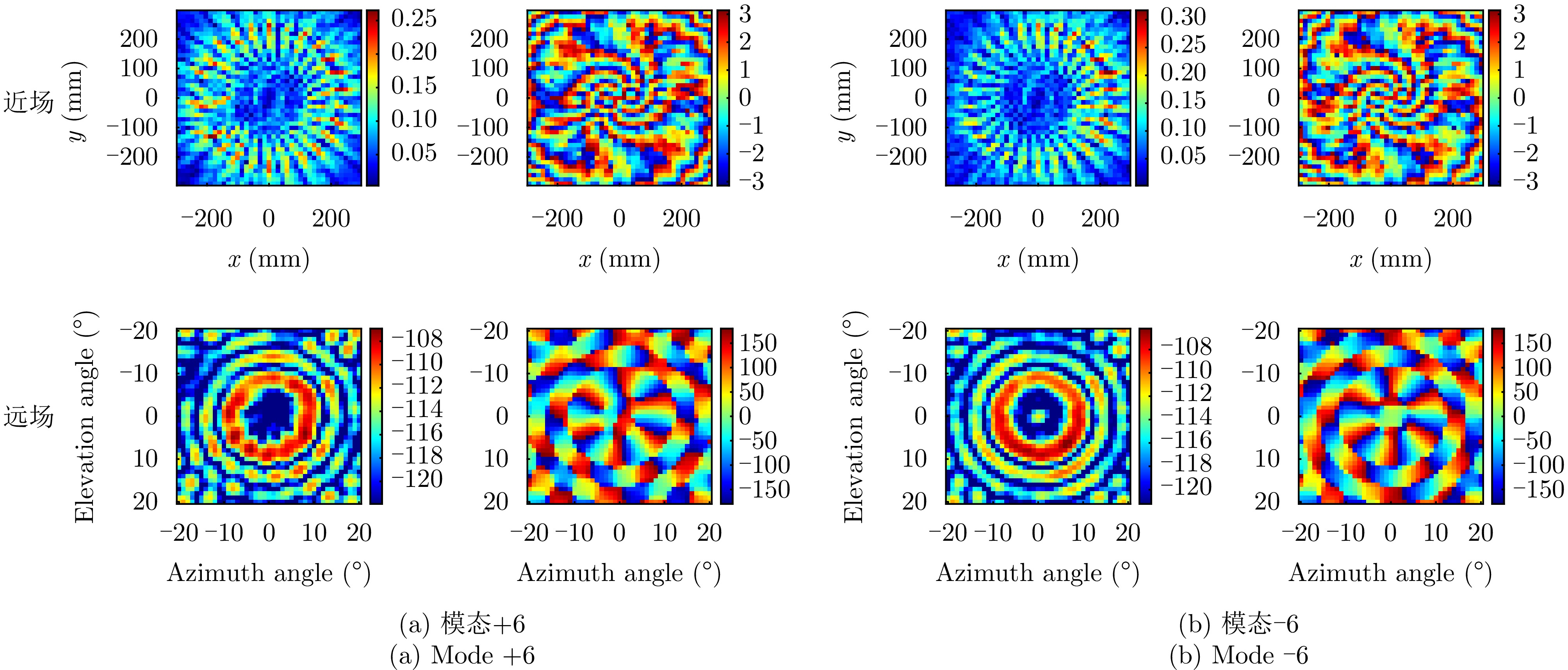
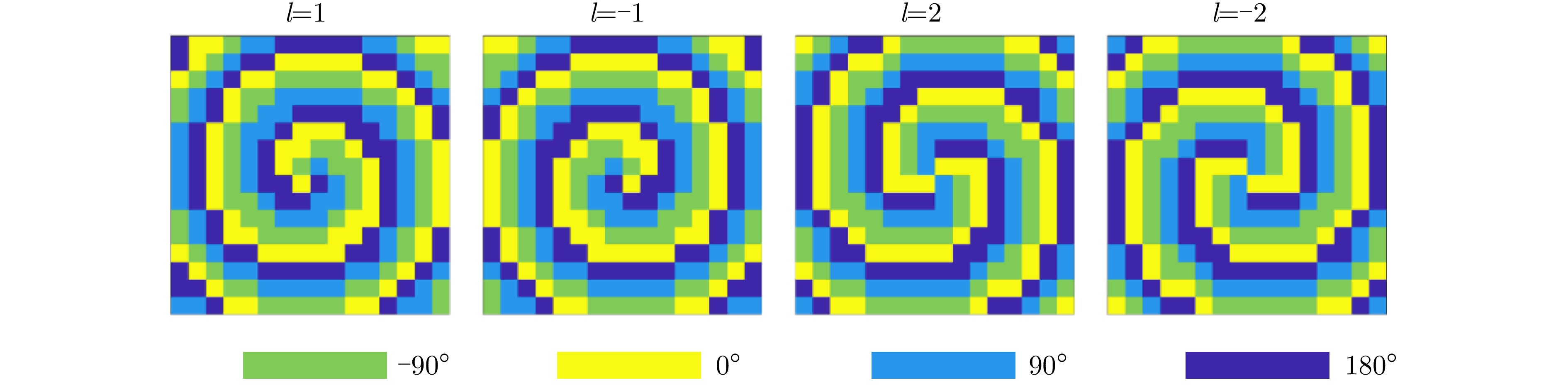
Vortex waves carrying Orbital Angular Momentum (OAM) theoretically support an infinite set of orthogonal modes and exhibit distinctive helical phase-front gradients, thus enhancing spectral efficiency and sensing capability in wireless communication and radar sensing applications. However, the practical implementation of multimode OAM generation is constrained by mode interference and imbalances in mode purity, severely degrading system performance. To address these challenges, this paper conducts a rigorous mathematical analysis and develops a novel method for generating multimode OAM waves with an optimized mode purity. Requiring only 1-bit quantized phase manipulation, the proposed approach enables the simultaneous generation of multimode OAM waves (l = ±1, ±2, ···, ±n, n ∈ N+), effectively suppresses mode interference, and achieves synchronous improvement in mode purity. To verify the proposed method, numerical simulations were performed to generate and optimize multimode vortex waves with 16 OAM modes (l = ±1, ±2, ±3, ±4, ±5, ±6, ±7, ±8). A representative eight-mode OAM multiplexing case was then selected, and a transmission metasurface antenna capable of simultaneously multiplexing eight OAM modes (l = ±1, ±2, ±3, ±4) was designed, fabricated, and experimentally characterized. Both simulated and measured results demonstrate the effective suppression of mode interference and consistent mode purity across all generated OAM modes. As such, this work presents a flexible and general solution for multimode OAM generation and optimization, featuring low-complexity phase control. It also provides a practical implementation path for high-capacity communication and high-resolution radar systems.
Vortex waves carrying Orbital Angular Momentum (OAM) theoretically support an infinite set of orthogonal modes and exhibit distinctive helical phase-front gradients, thus enhancing spectral efficiency and sensing capability in wireless communication and radar sensing applications. However, the practical implementation of multimode OAM generation is constrained by mode interference and imbalances in mode purity, severely degrading system performance. To address these challenges, this paper conducts a rigorous mathematical analysis and develops a novel method for generating multimode OAM waves with an optimized mode purity. Requiring only 1-bit quantized phase manipulation, the proposed approach enables the simultaneous generation of multimode OAM waves (l = ±1, ±2, ···, ±n, n ∈ N+), effectively suppresses mode interference, and achieves synchronous improvement in mode purity. To verify the proposed method, numerical simulations were performed to generate and optimize multimode vortex waves with 16 OAM modes (l = ±1, ±2, ±3, ±4, ±5, ±6, ±7, ±8). A representative eight-mode OAM multiplexing case was then selected, and a transmission metasurface antenna capable of simultaneously multiplexing eight OAM modes (l = ±1, ±2, ±3, ±4) was designed, fabricated, and experimentally characterized. Both simulated and measured results demonstrate the effective suppression of mode interference and consistent mode purity across all generated OAM modes. As such, this work presents a flexible and general solution for multimode OAM generation and optimization, featuring low-complexity phase control. It also provides a practical implementation path for high-capacity communication and high-resolution radar systems.







2026, 15(5): 1566-1577.
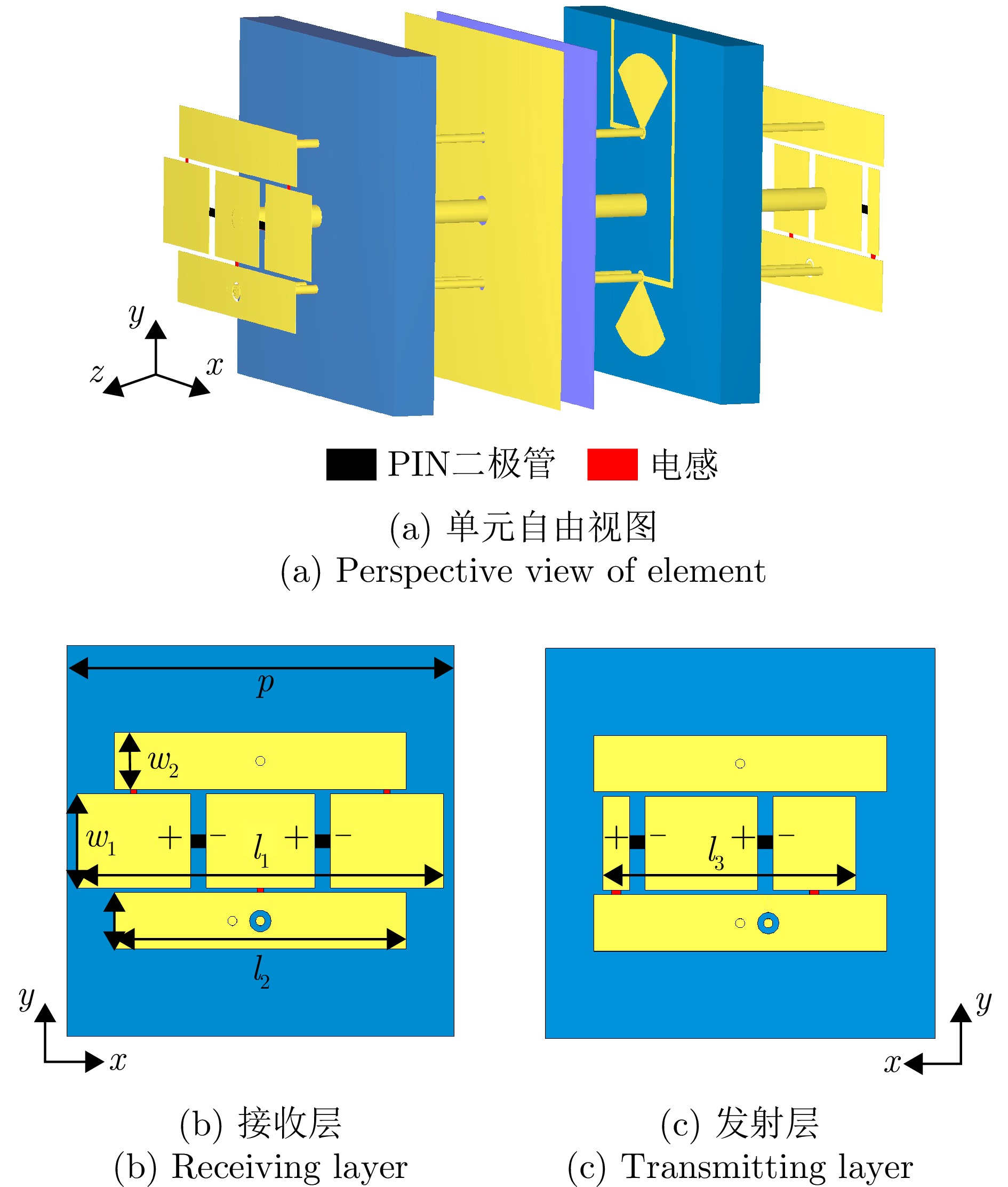
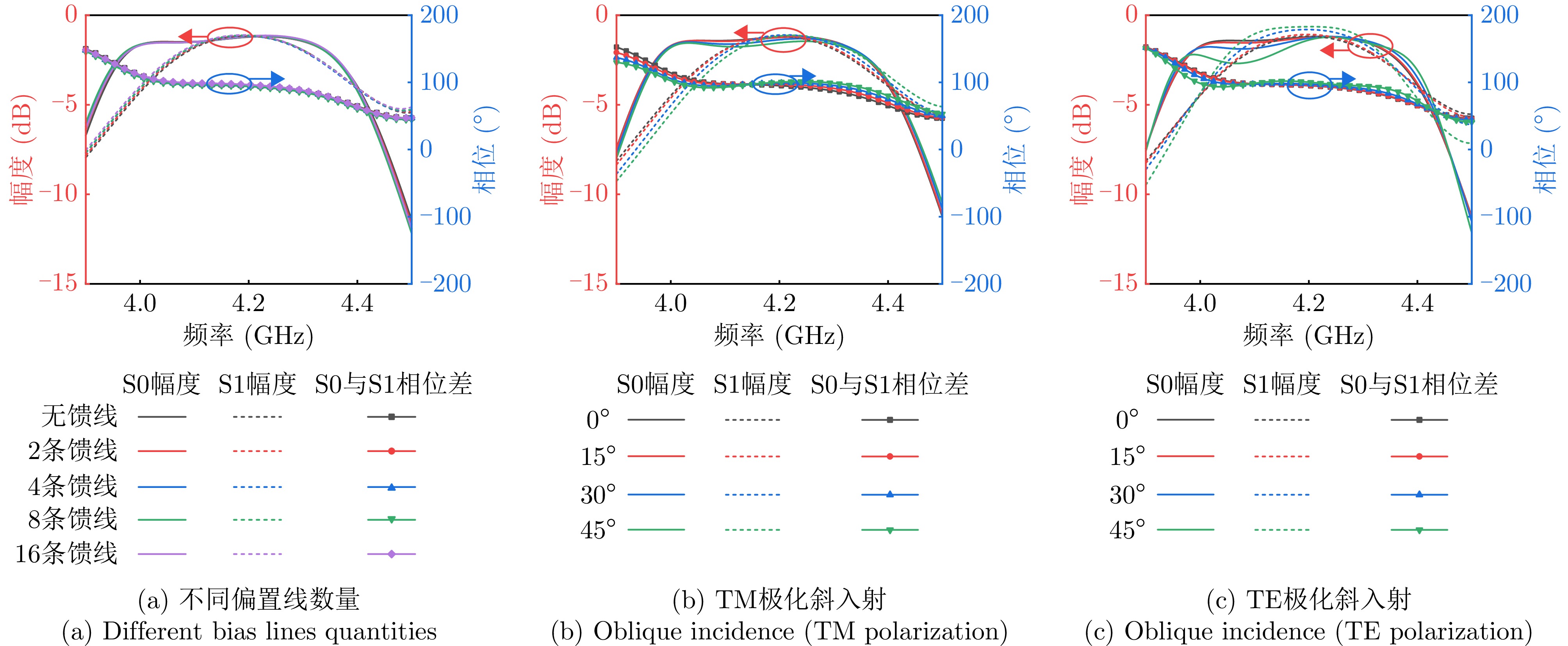
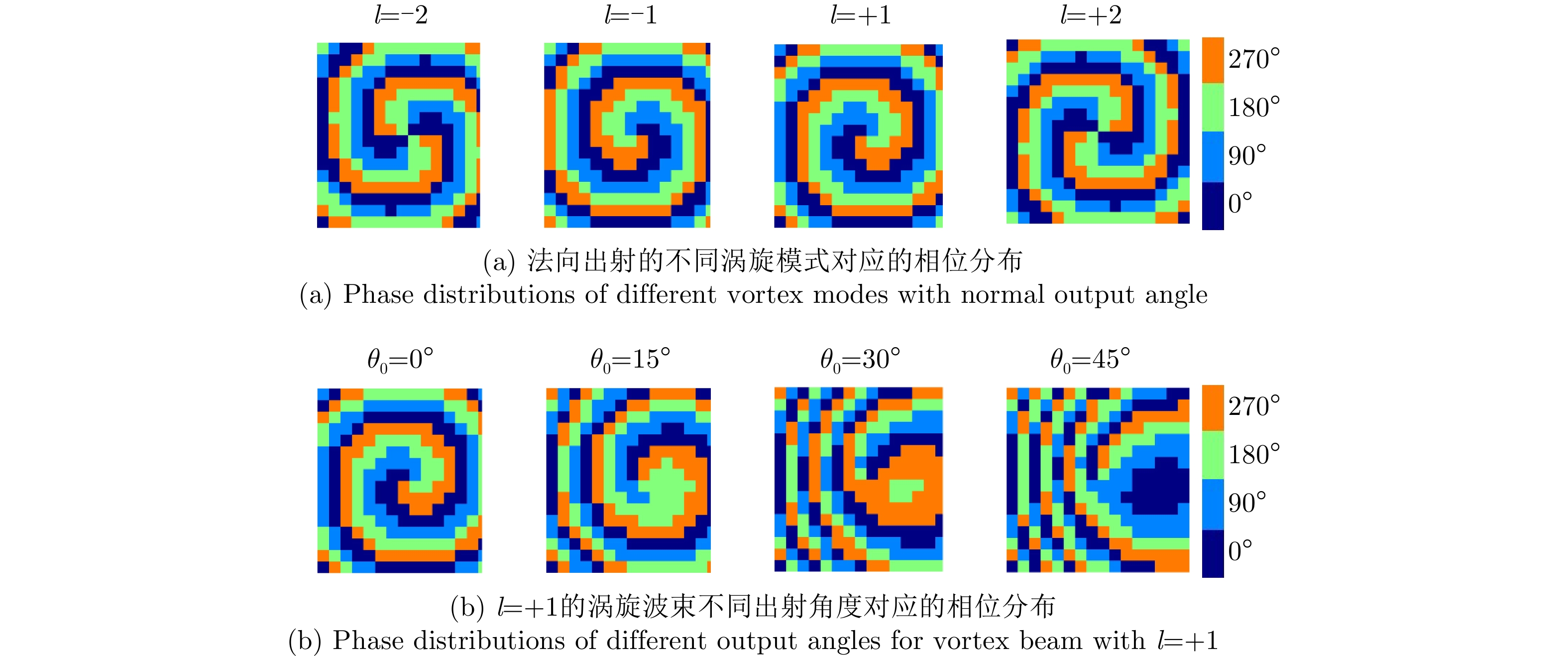
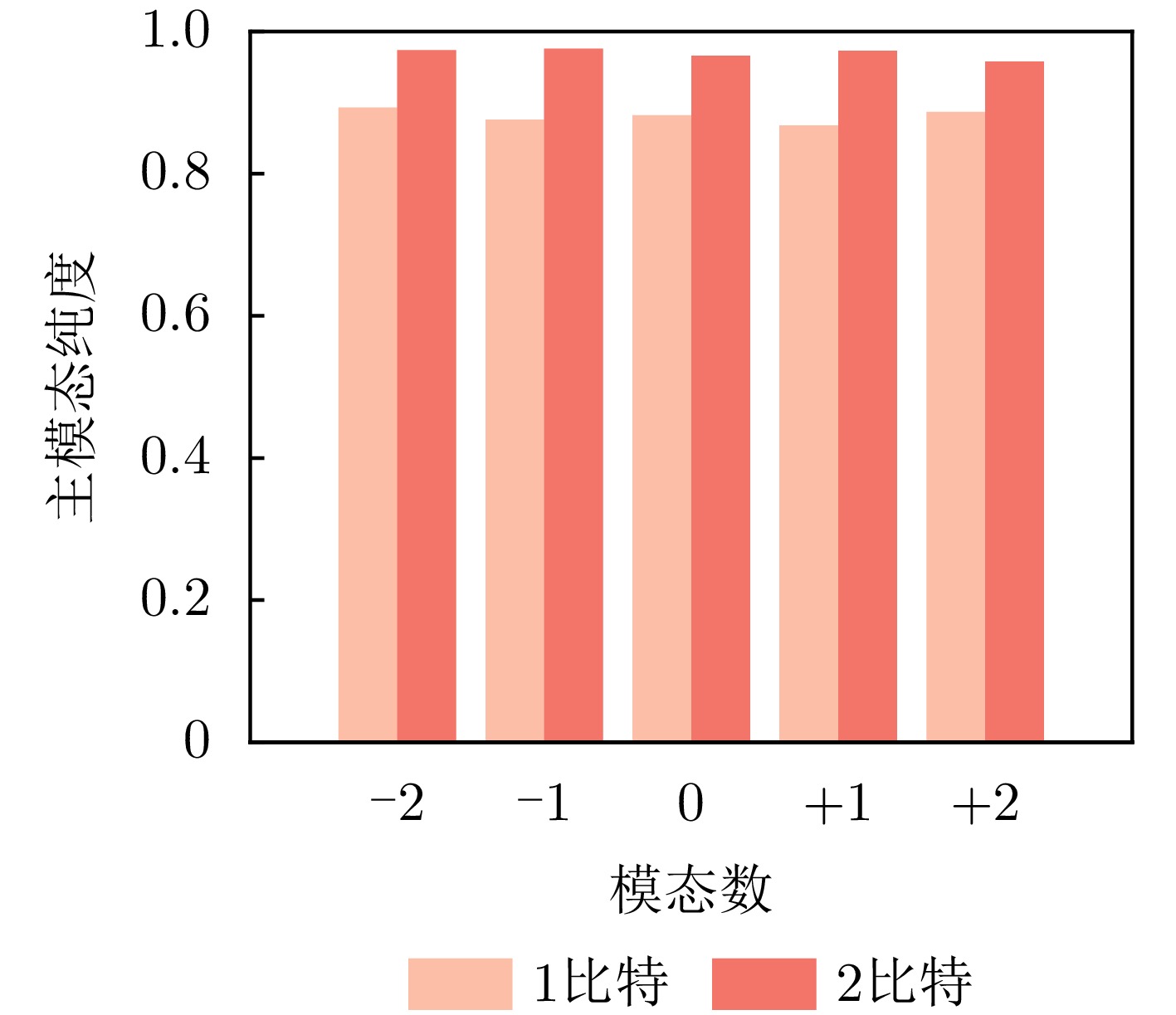
Here, we propose a design method for a 2-bit transmissive programmable metasurface and demonstrate the generation and dynamic control of multimode electromagnetic vortex beams. By adjusting the states of the loaded PIN diodes, the metasurface element achieves high-efficiency transmission with an insertion loss as low as 1.2 dB and precise 2-bit tunable phase control at a center frequency of 4.15 GHz. The coding schemes necessary for generating steerable vortex beams are then theoretically derived. To validate the design principle and simulation results, a metasurface prototype is fabricated. Near-field scanning measurements show that the proposed metasurface can dynamically generate vortex beams with various modes, exhibiting distinct spiral phase characteristics and annular amplitude distributions, with the mode purity of the dominant mode remaining above 0.88 for orders within ±2 at the center frequency. Far-field radiation pattern measurements further confirm that the generated vortex beams can be dynamically scanned within 0°~45°, with a scan loss of less than 3 dB. The results measured align well with the simulations. The proposed programmable metasurface for vortex beam control demonstrates strong potential for applications in radar imaging and wireless communication.
Here, we propose a design method for a 2-bit transmissive programmable metasurface and demonstrate the generation and dynamic control of multimode electromagnetic vortex beams. By adjusting the states of the loaded PIN diodes, the metasurface element achieves high-efficiency transmission with an insertion loss as low as 1.2 dB and precise 2-bit tunable phase control at a center frequency of 4.15 GHz. The coding schemes necessary for generating steerable vortex beams are then theoretically derived. To validate the design principle and simulation results, a metasurface prototype is fabricated. Near-field scanning measurements show that the proposed metasurface can dynamically generate vortex beams with various modes, exhibiting distinct spiral phase characteristics and annular amplitude distributions, with the mode purity of the dominant mode remaining above 0.88 for orders within ±2 at the center frequency. Far-field radiation pattern measurements further confirm that the generated vortex beams can be dynamically scanned within 0°~45°, with a scan loss of less than 3 dB. The results measured align well with the simulations. The proposed programmable metasurface for vortex beam control demonstrates strong potential for applications in radar imaging and wireless communication.



2026, 15(5): 1578-1594.
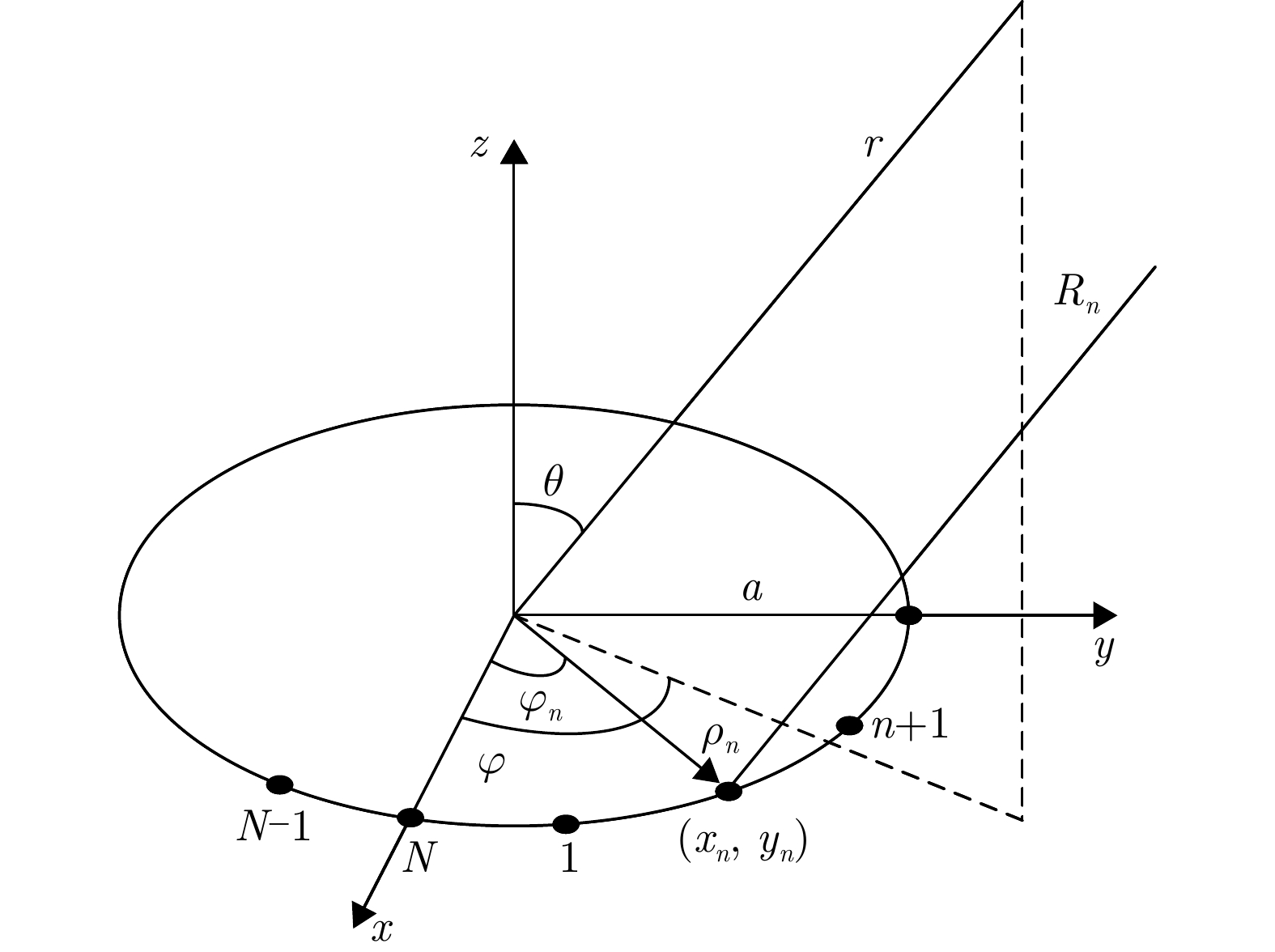
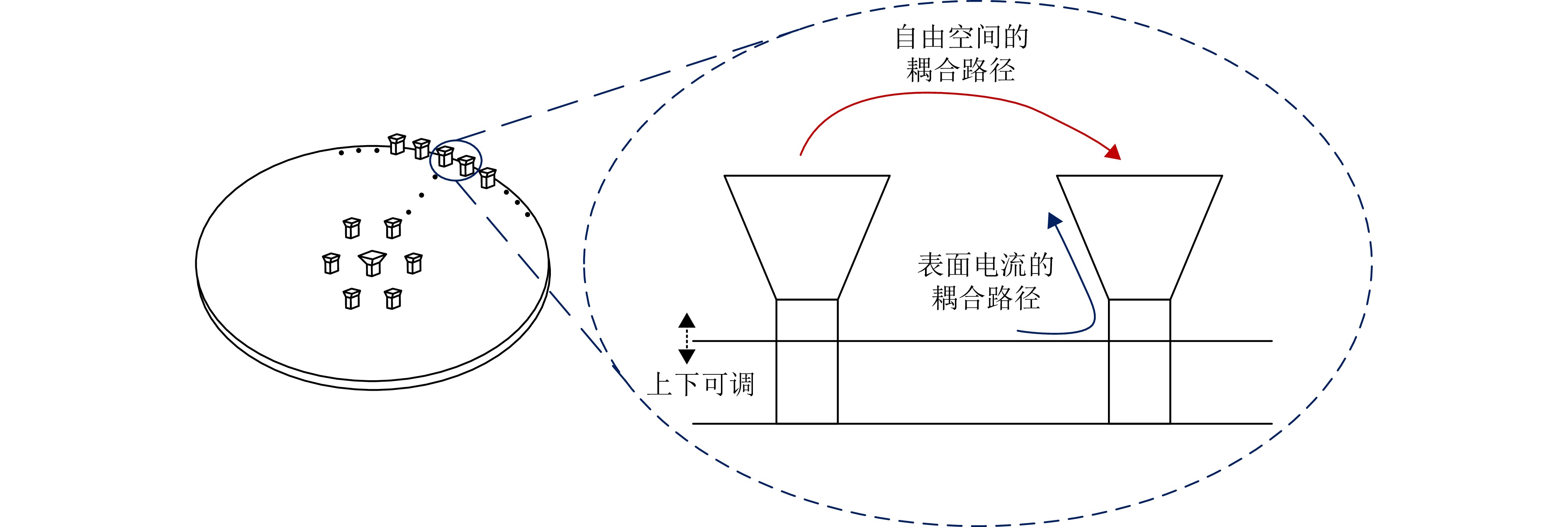
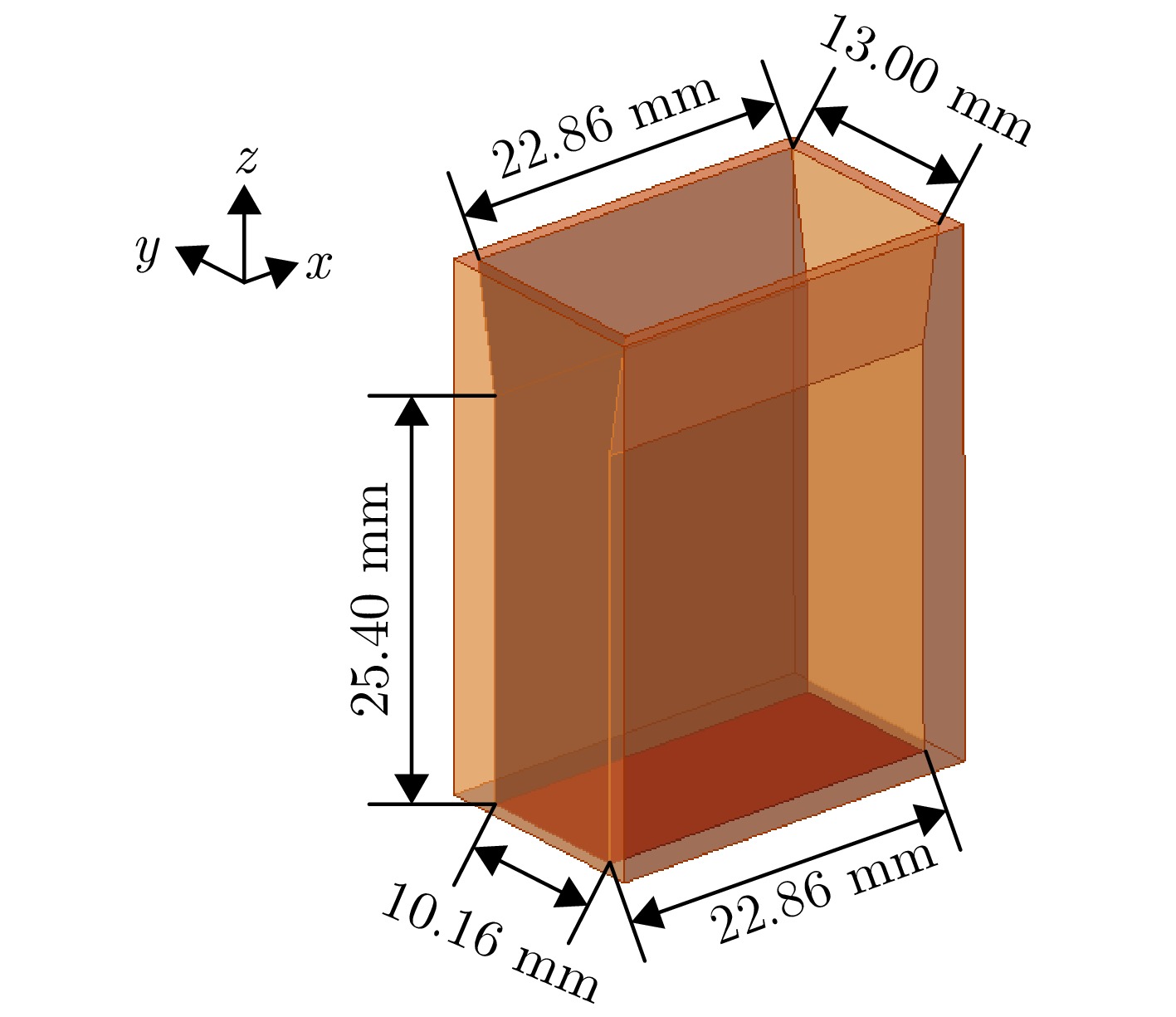
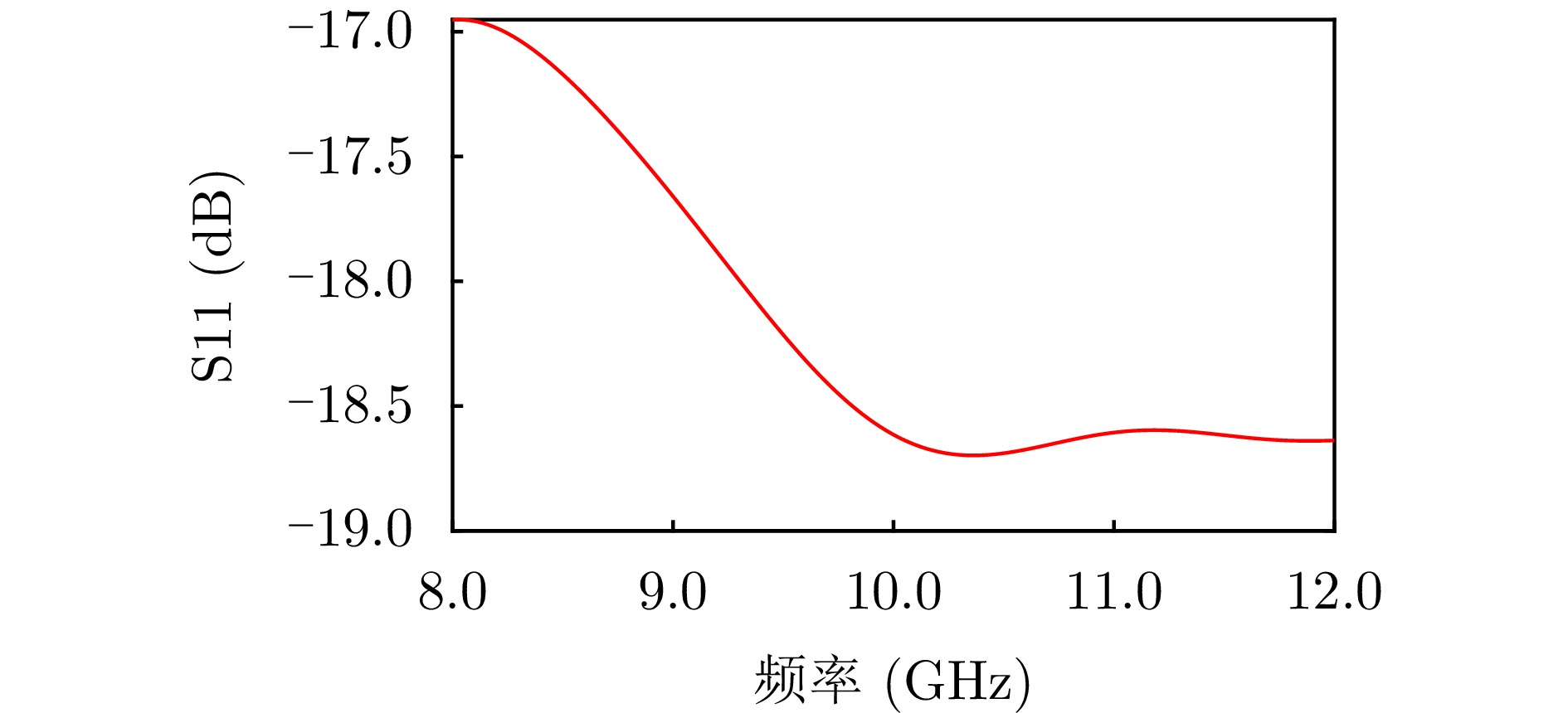
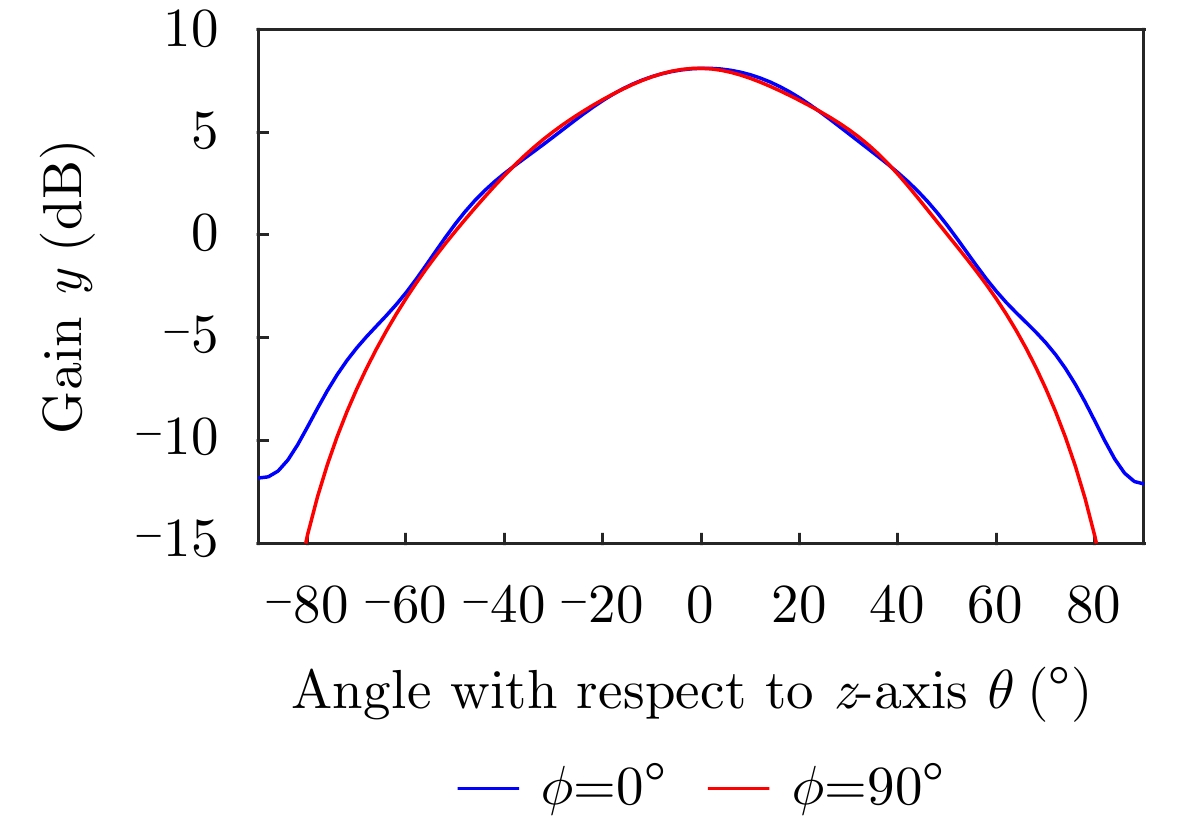
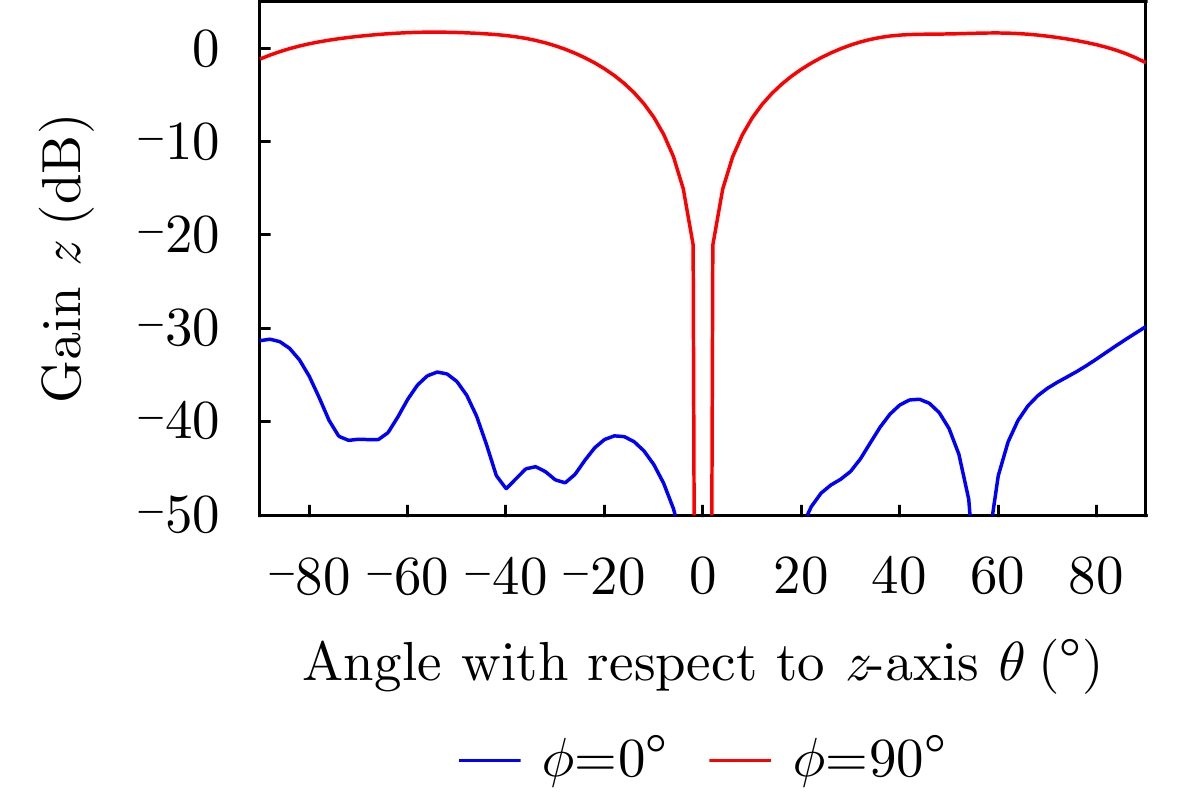
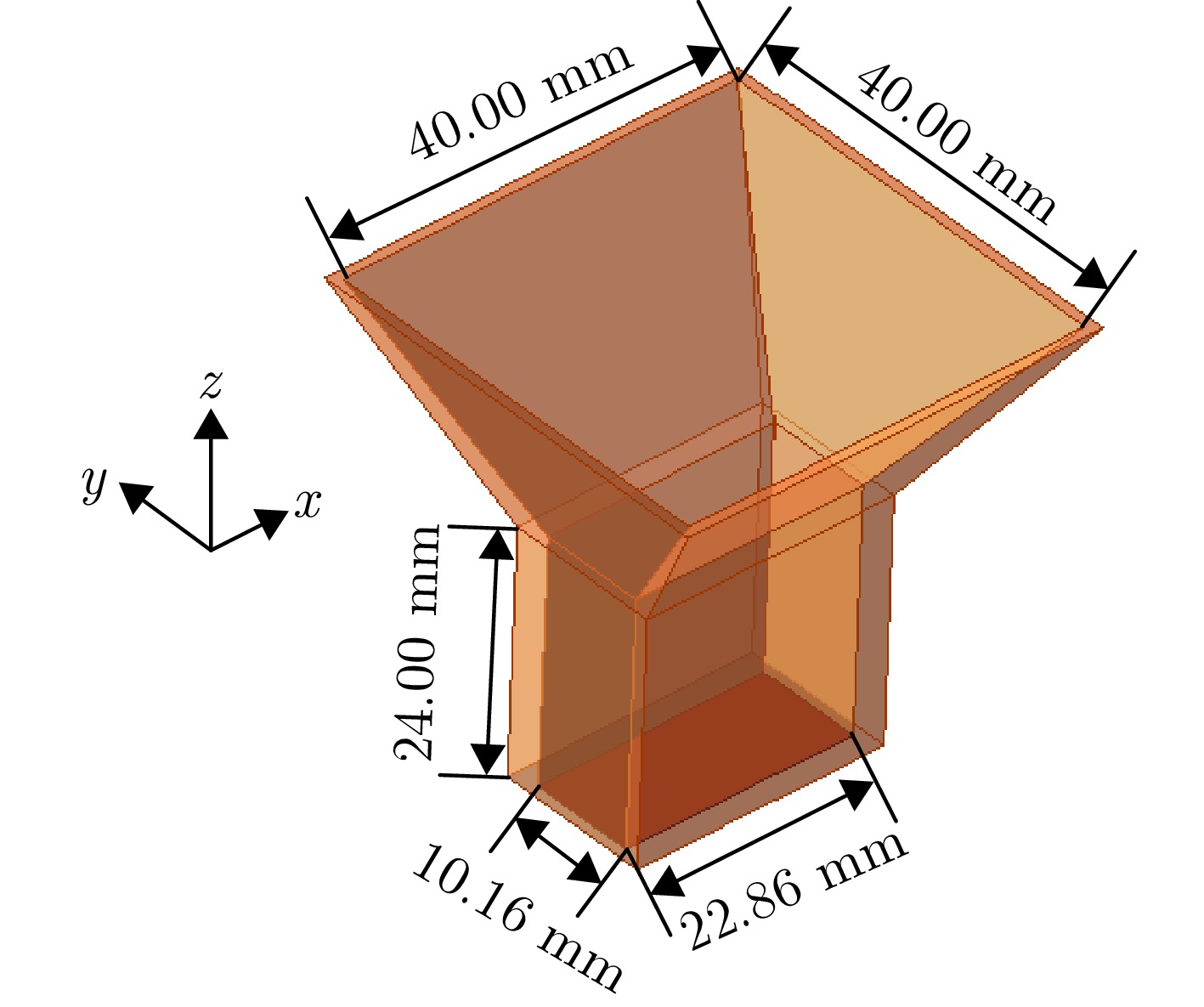
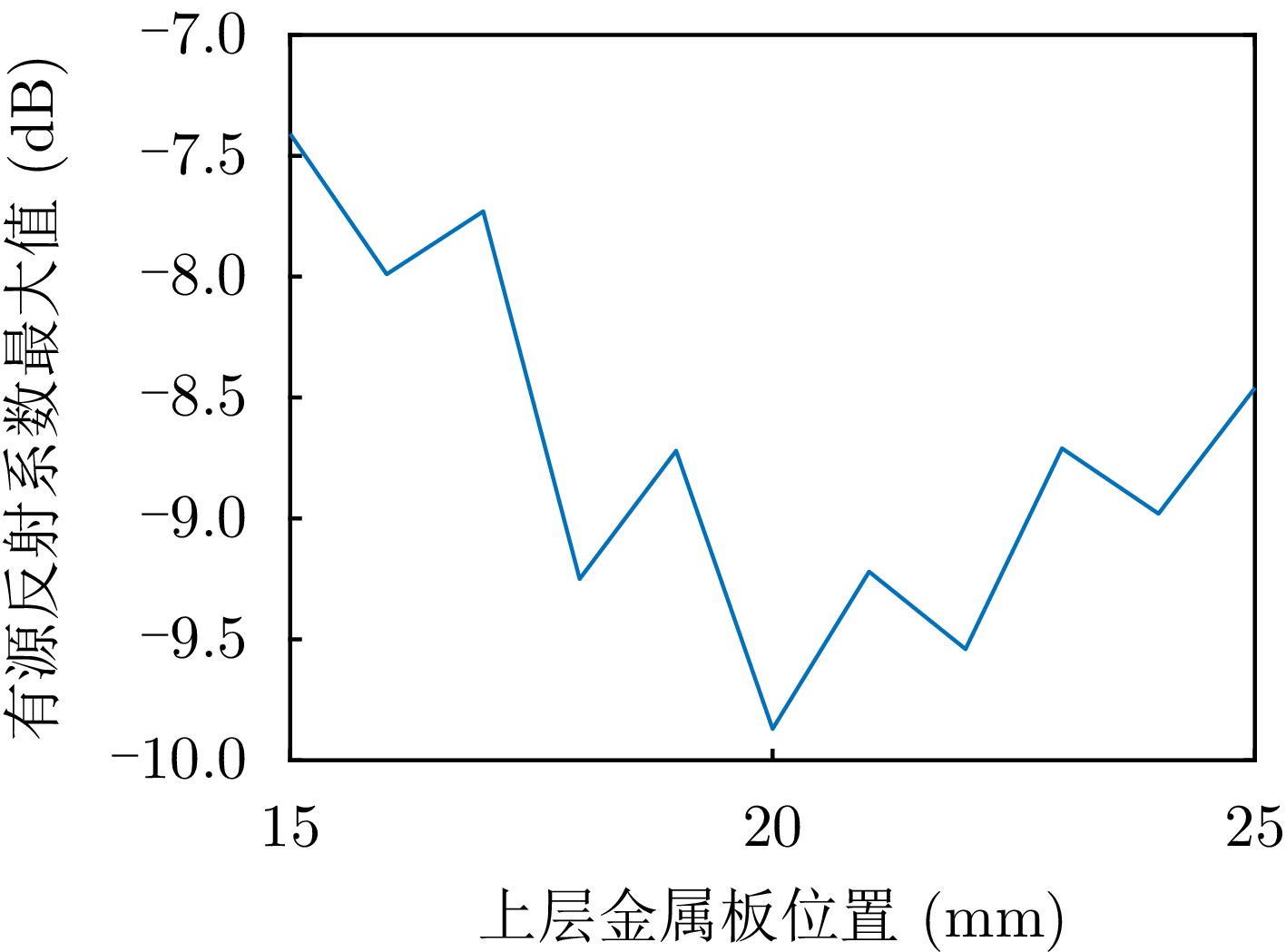
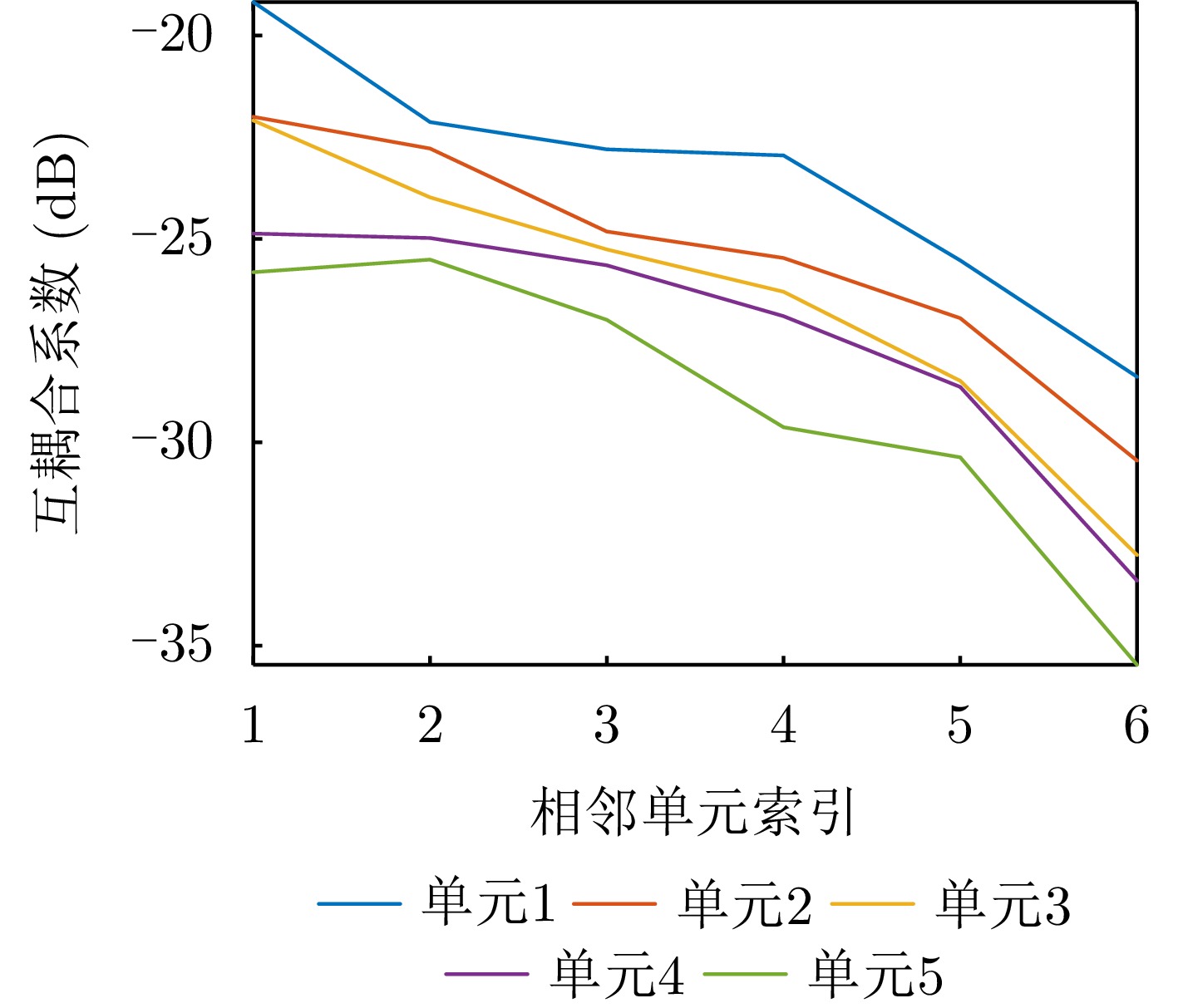
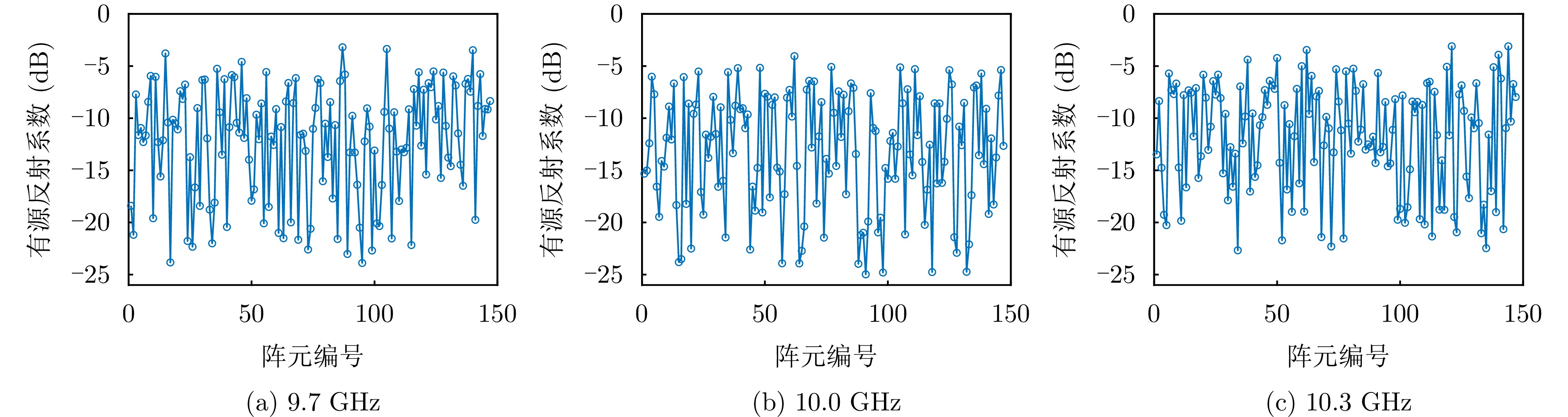
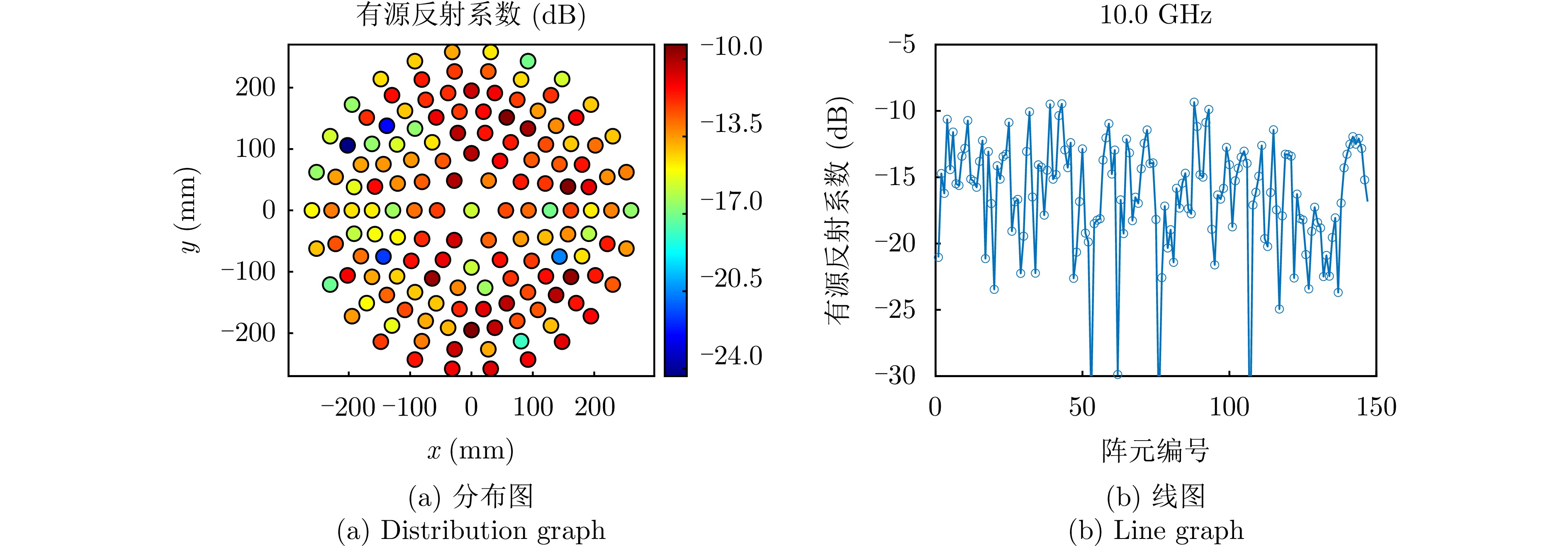
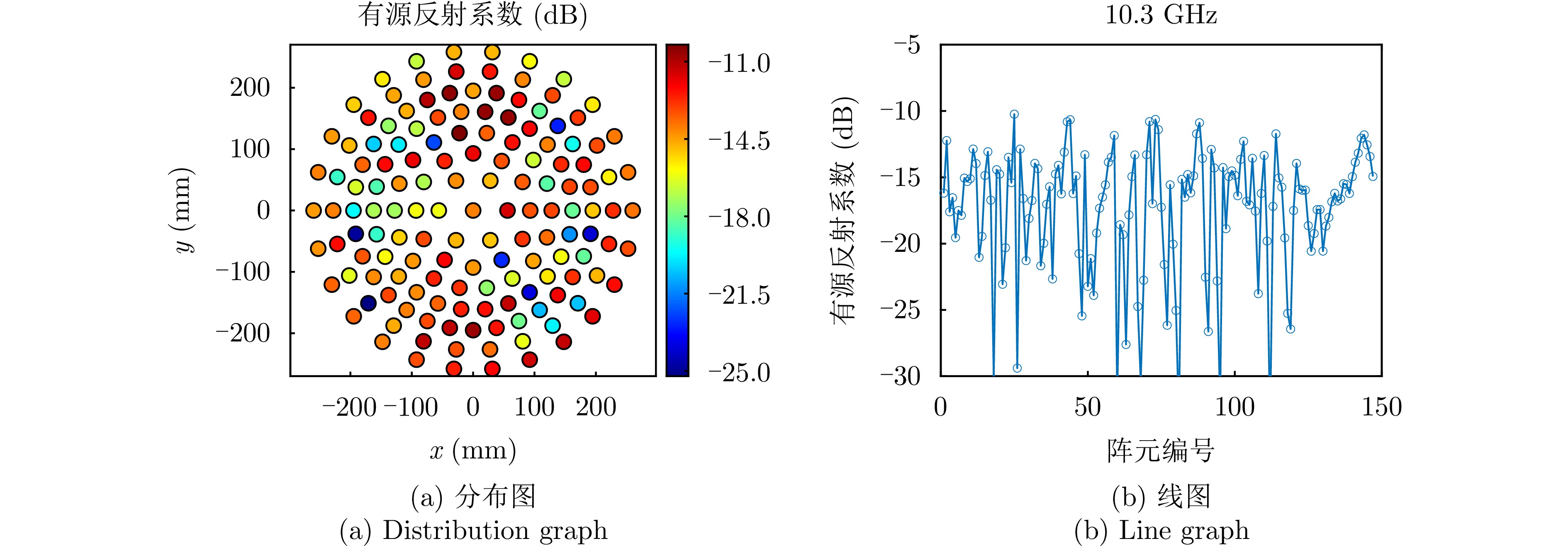
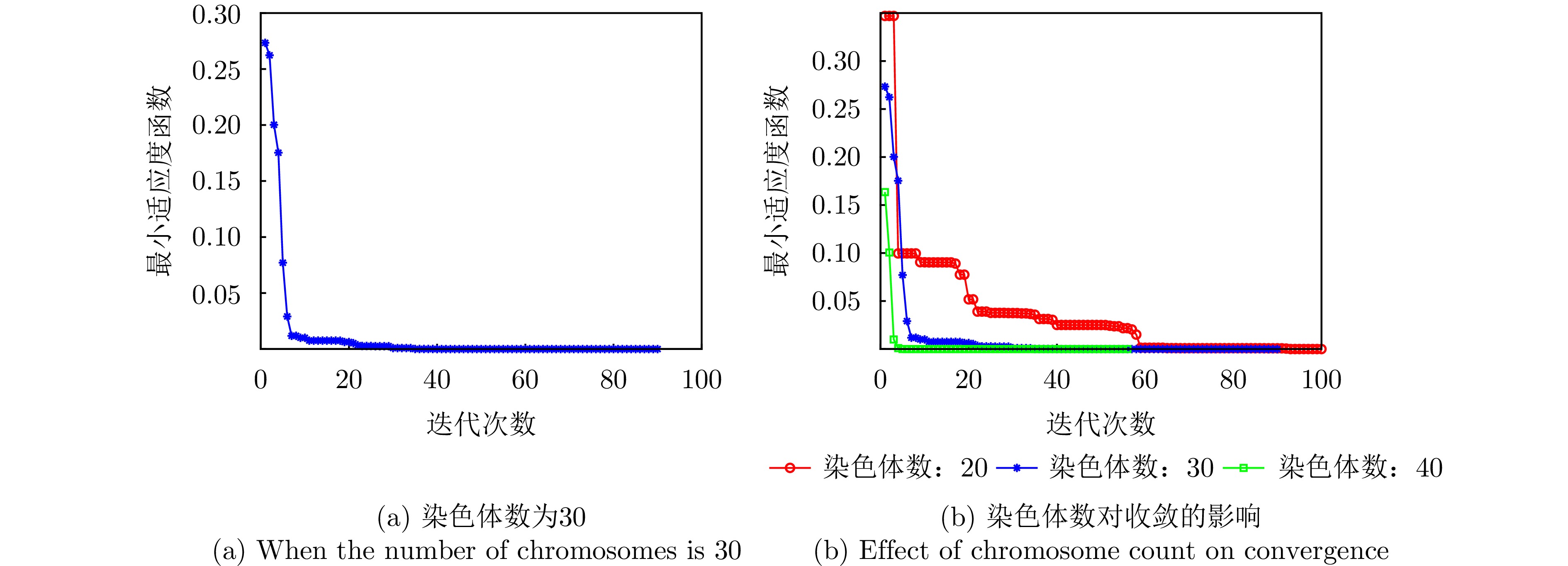
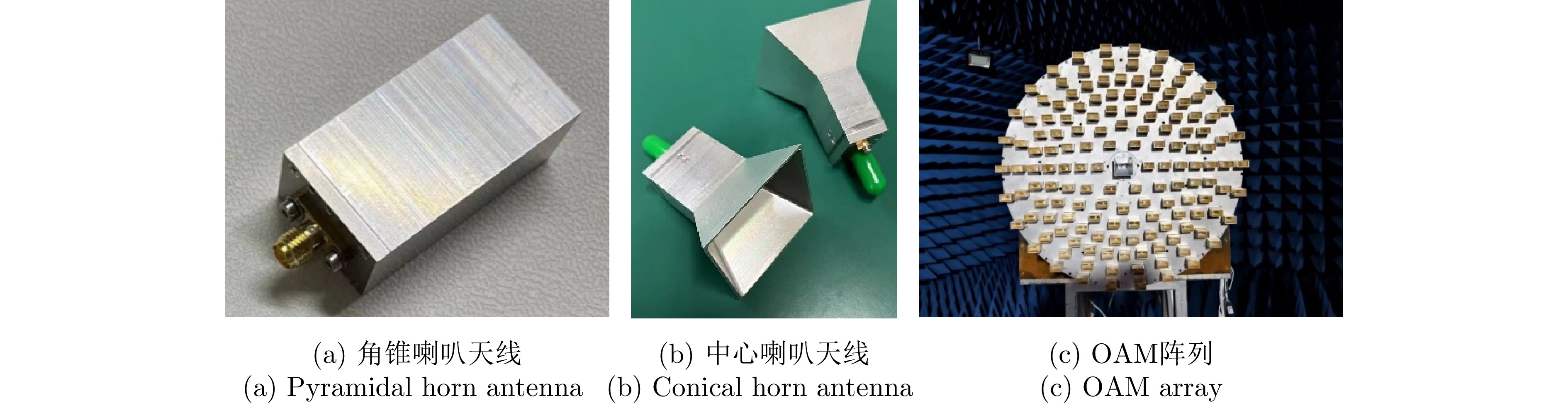
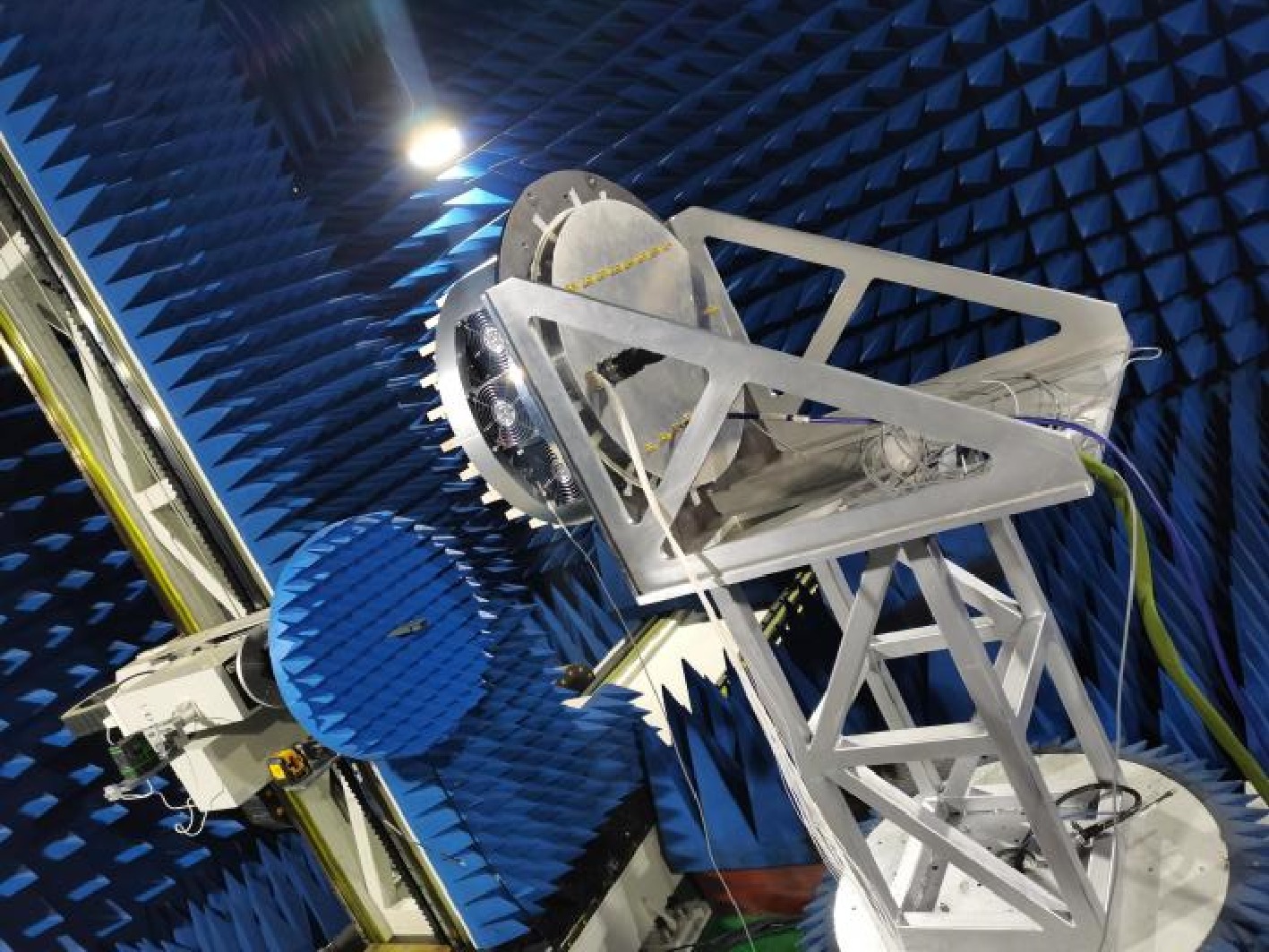
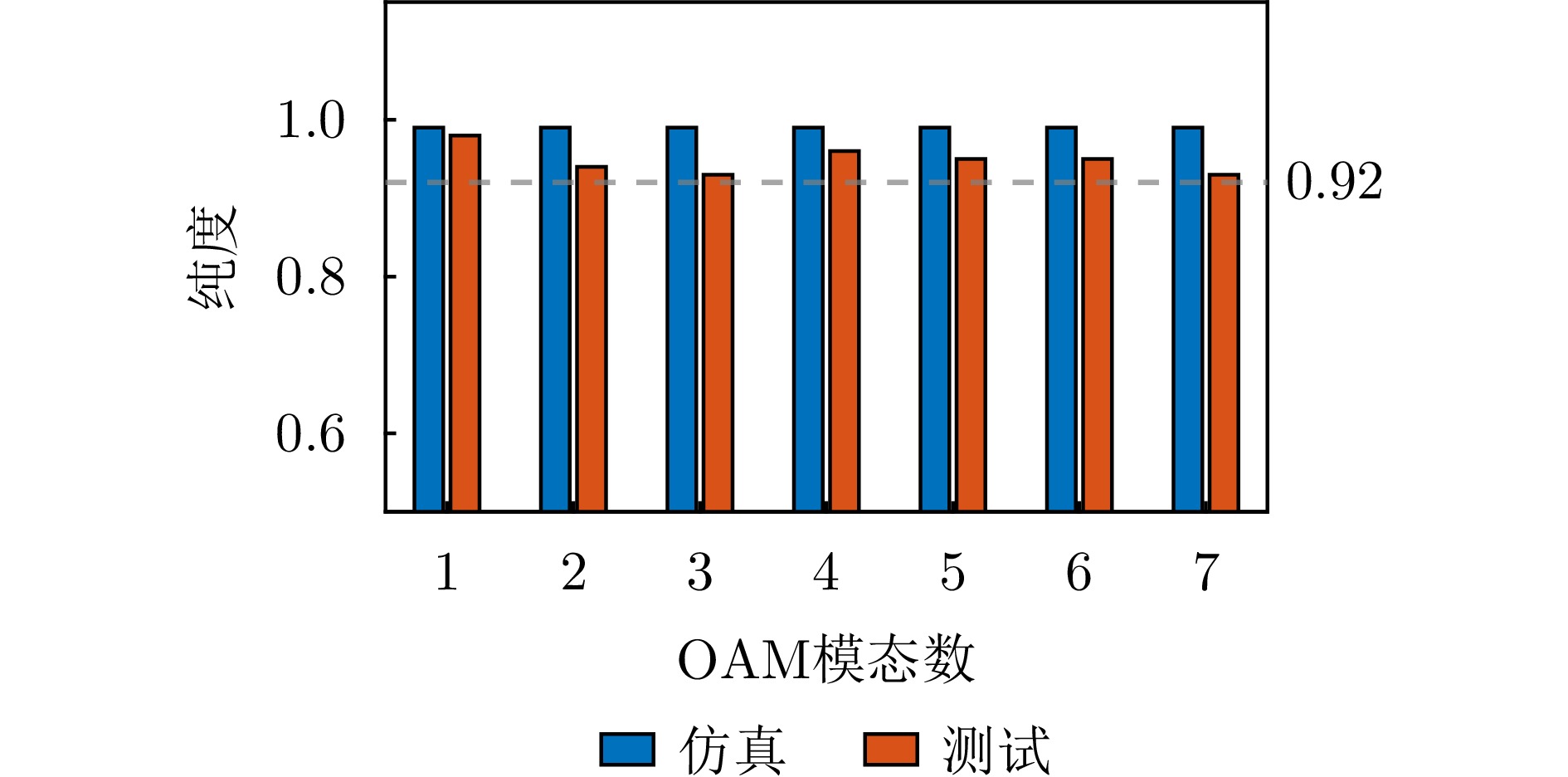
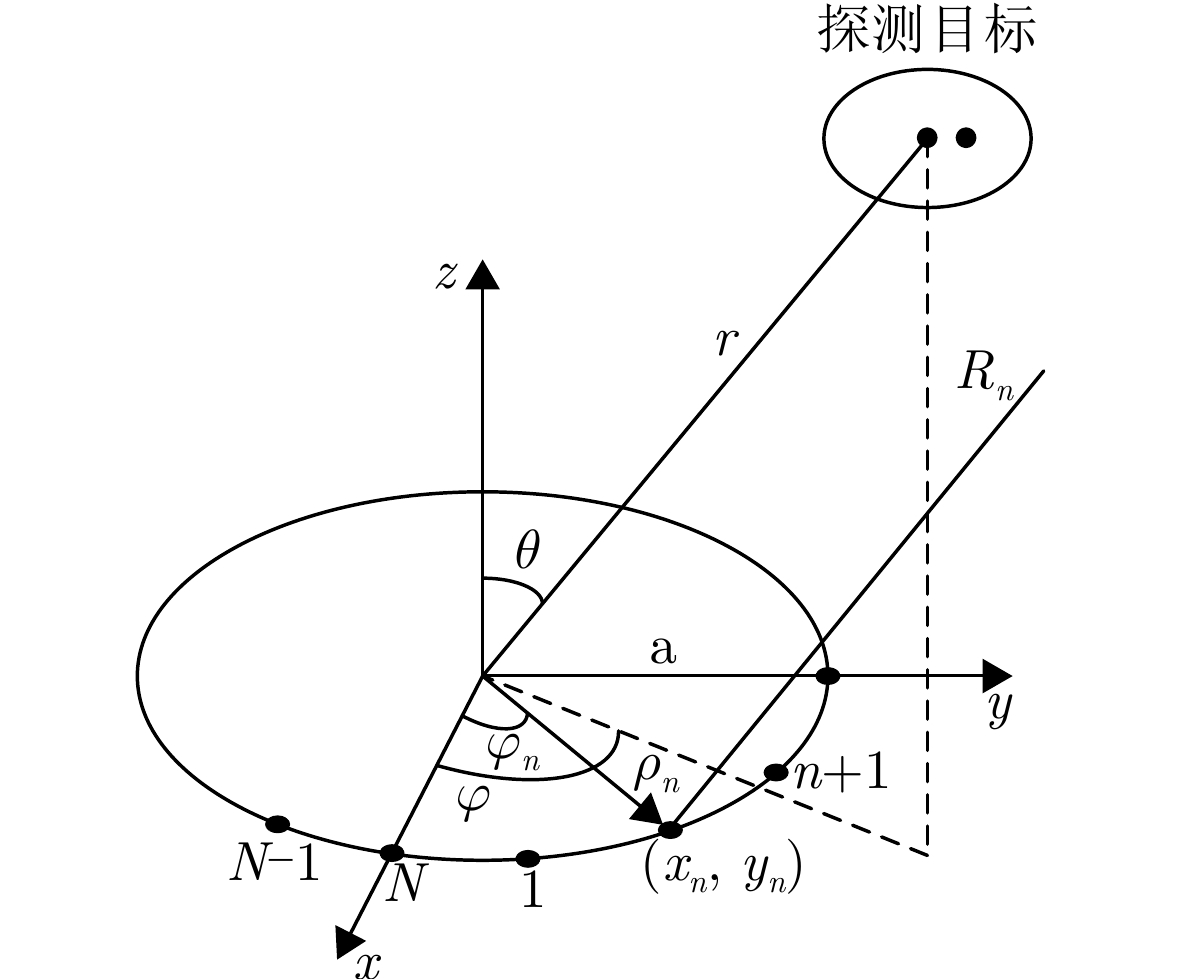
Vortex electromagnetic waves carrying Orbital Angular Momentum (OAM) can meet the requirements of modern radar detection systems for high resolution and precision. However, existing OAM beam generation methods suffer from limitations, such as insufficient multimodal purity and strong mutual coupling between array elements. To overcome these challenges, this paper designs and optimizes pyramidal horn antenna elements based on a uniform concentric circular array, thereby establishing a multimodal OAM array model. A double-layer metal ground plane structure is introduced to effectively suppress mutual coupling between array elements. Furthermore, the array configuration is optimized to generate high-purity, co-directional multimodal OAM beams. On this basis, a genetic algorithm is used to further optimize the design for generating multimodal OAM beams with low sidelobes. Full-wave simulations show that the optimized array achieves an active reflection coefficient below −10 dB, indicating substantially suppression of the mutual coupling between elements. The proposed array exhibits a stable structure suitable for engineering applications and supports the generation of 14 co-directional OAM beams with modal purity exceeding 0.92 and sidelobes below −13 dB. Finally, the performance of the designed array is validated through fabrication, testing, and super-resolution imaging experiments.
Vortex electromagnetic waves carrying Orbital Angular Momentum (OAM) can meet the requirements of modern radar detection systems for high resolution and precision. However, existing OAM beam generation methods suffer from limitations, such as insufficient multimodal purity and strong mutual coupling between array elements. To overcome these challenges, this paper designs and optimizes pyramidal horn antenna elements based on a uniform concentric circular array, thereby establishing a multimodal OAM array model. A double-layer metal ground plane structure is introduced to effectively suppress mutual coupling between array elements. Furthermore, the array configuration is optimized to generate high-purity, co-directional multimodal OAM beams. On this basis, a genetic algorithm is used to further optimize the design for generating multimodal OAM beams with low sidelobes. Full-wave simulations show that the optimized array achieves an active reflection coefficient below −10 dB, indicating substantially suppression of the mutual coupling between elements. The proposed array exhibits a stable structure suitable for engineering applications and supports the generation of 14 co-directional OAM beams with modal purity exceeding 0.92 and sidelobes below −13 dB. Finally, the performance of the designed array is validated through fabrication, testing, and super-resolution imaging experiments.









2026, 15(5): 1595-1611.
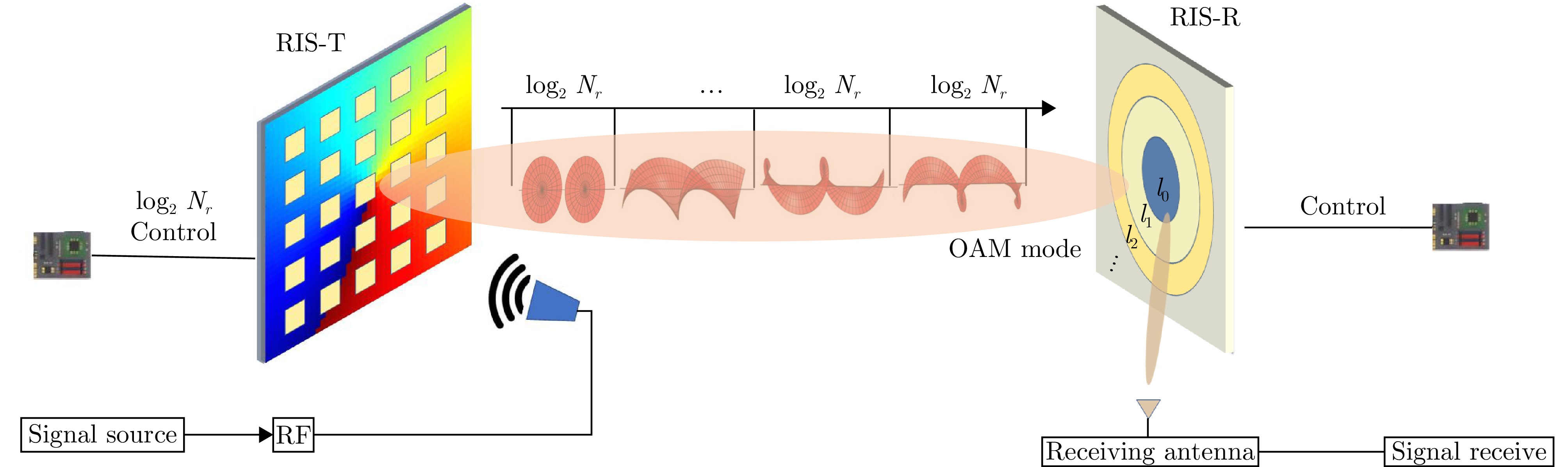
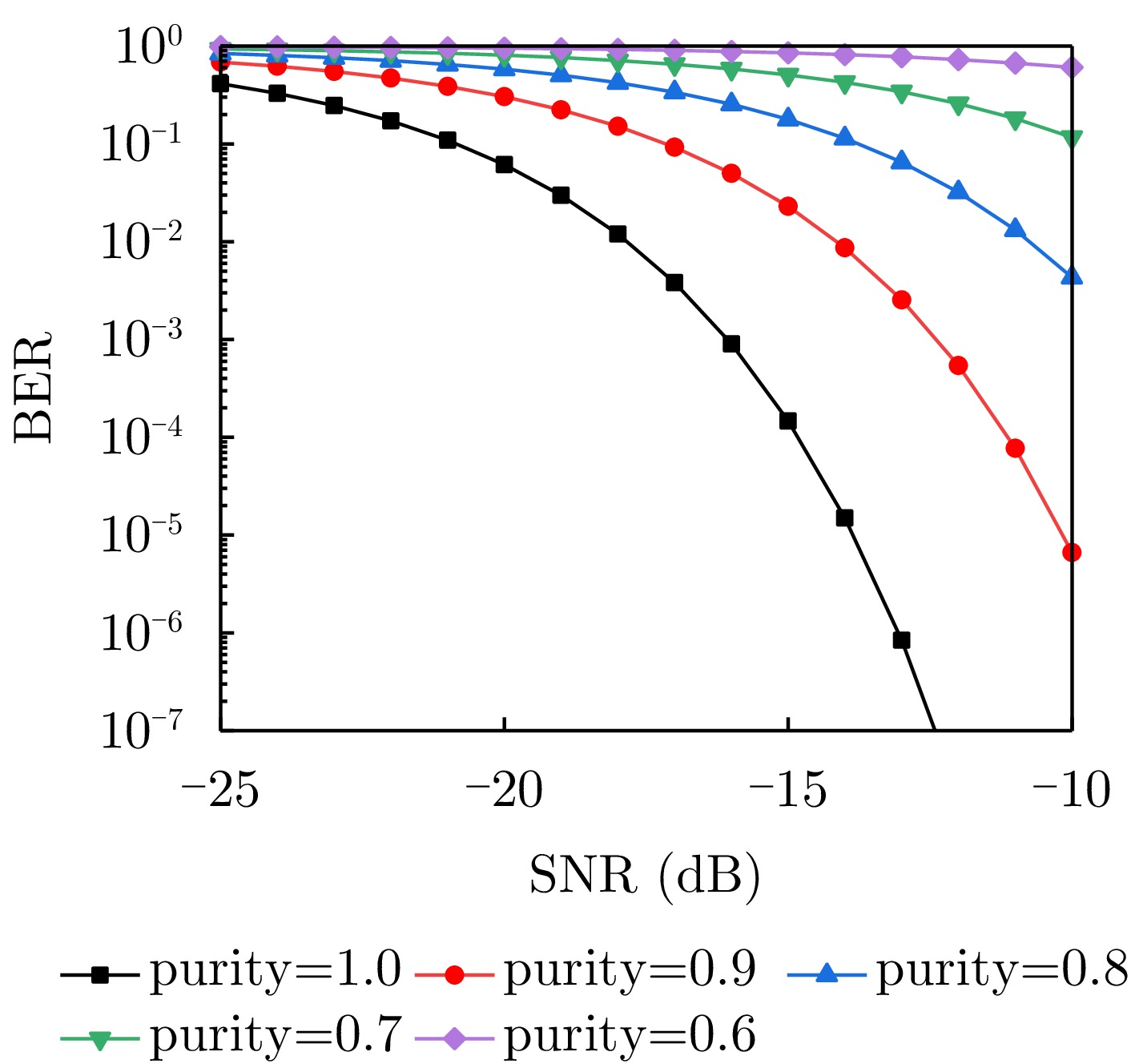
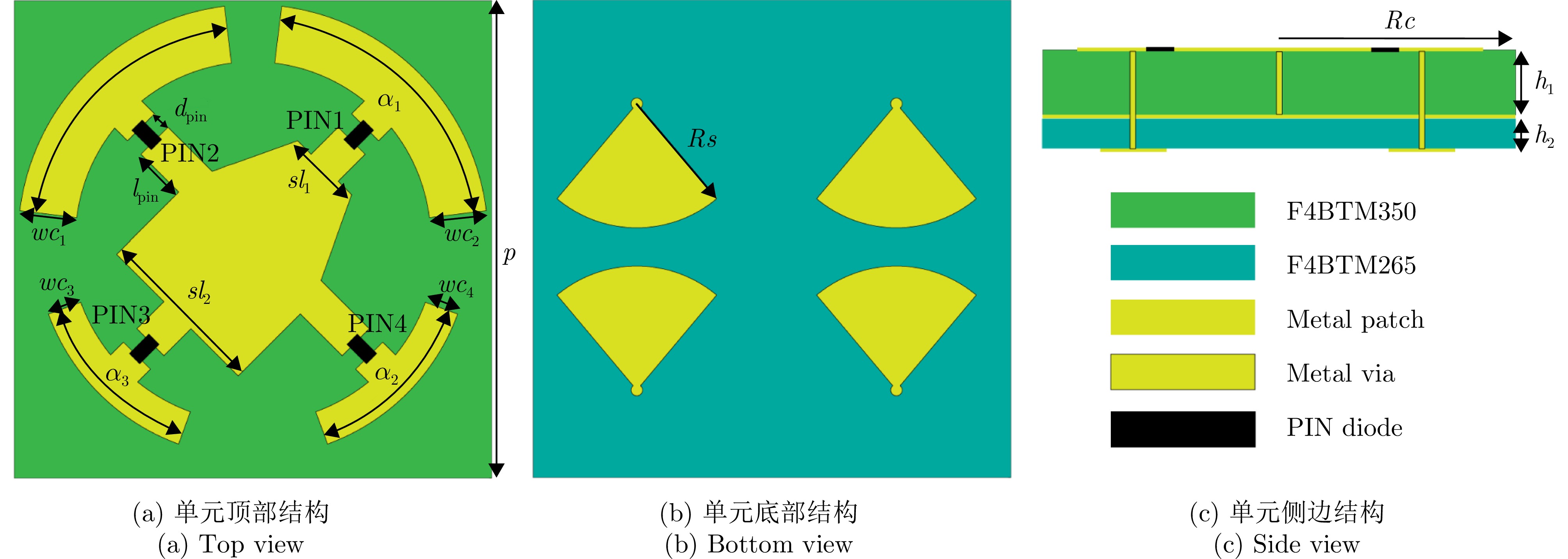
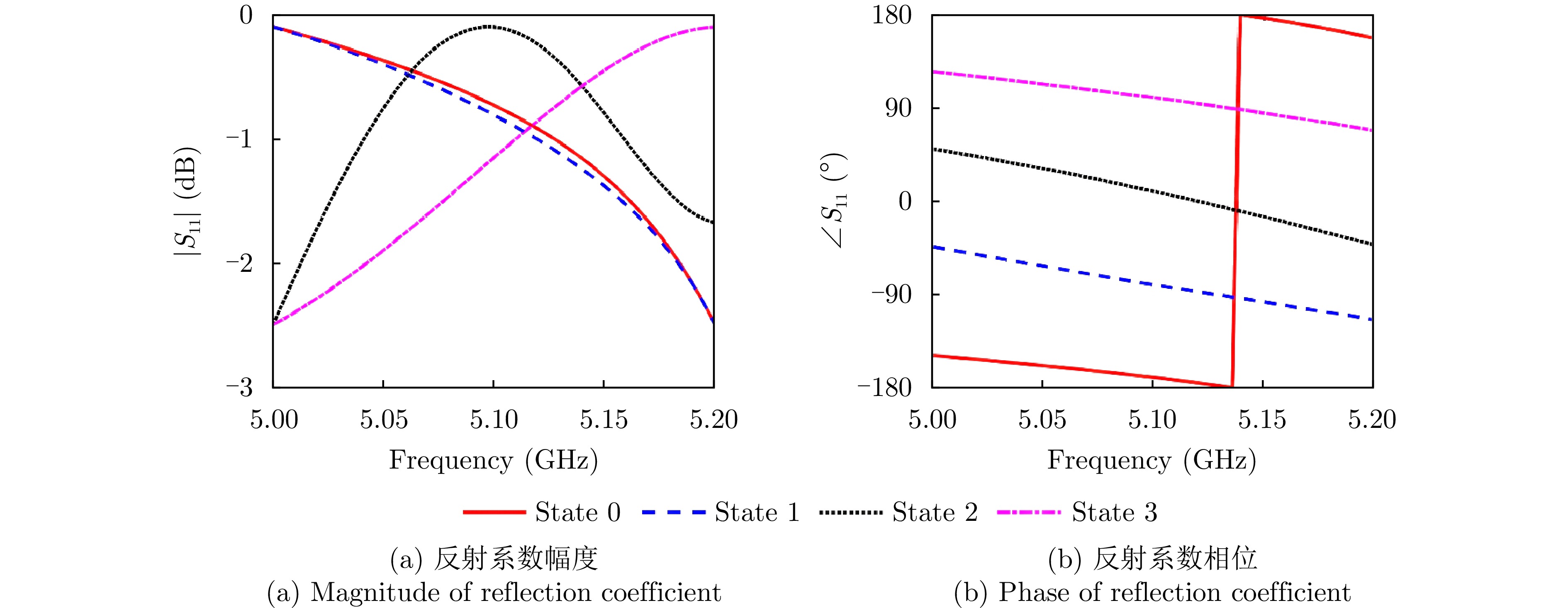
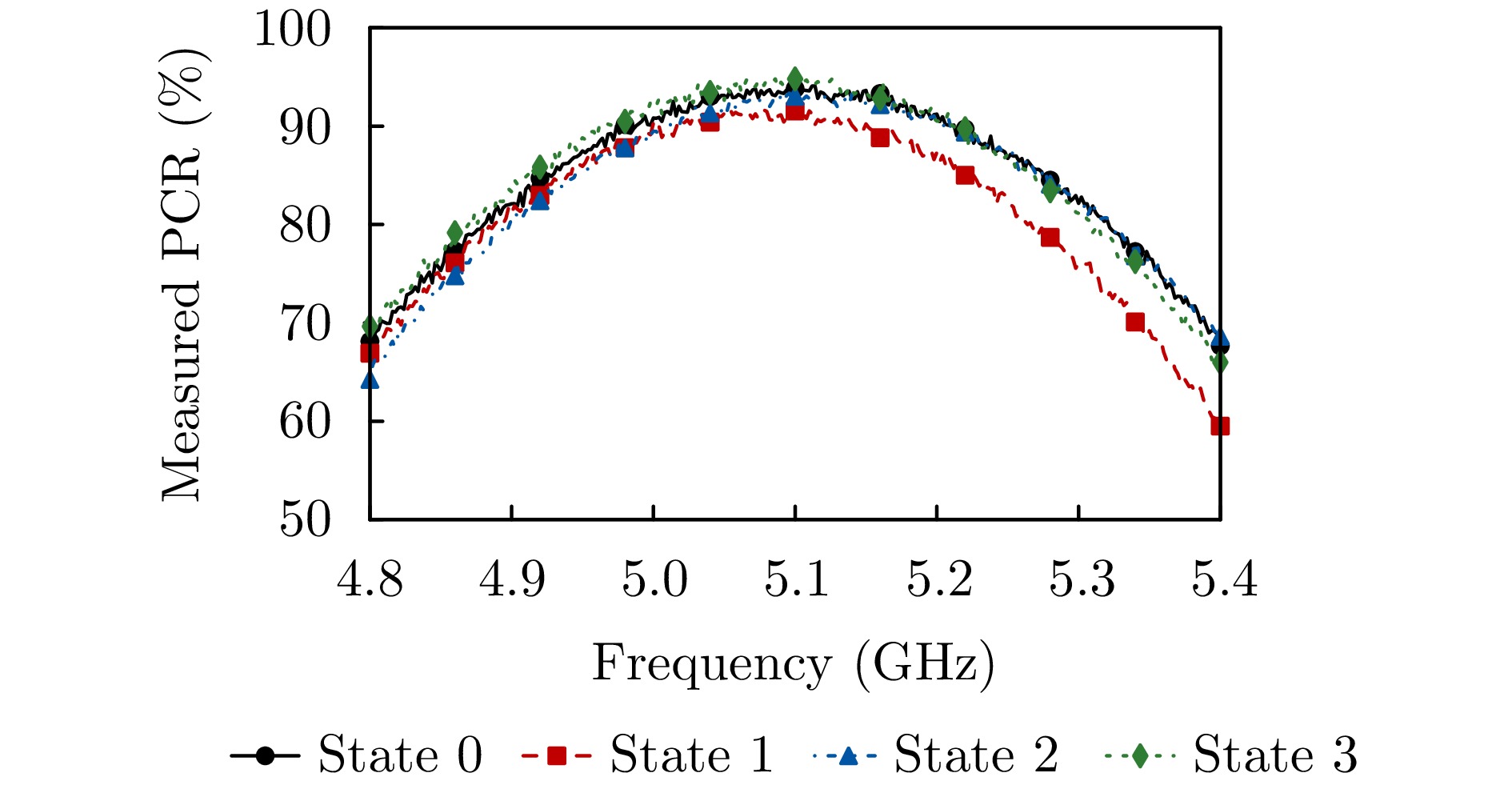
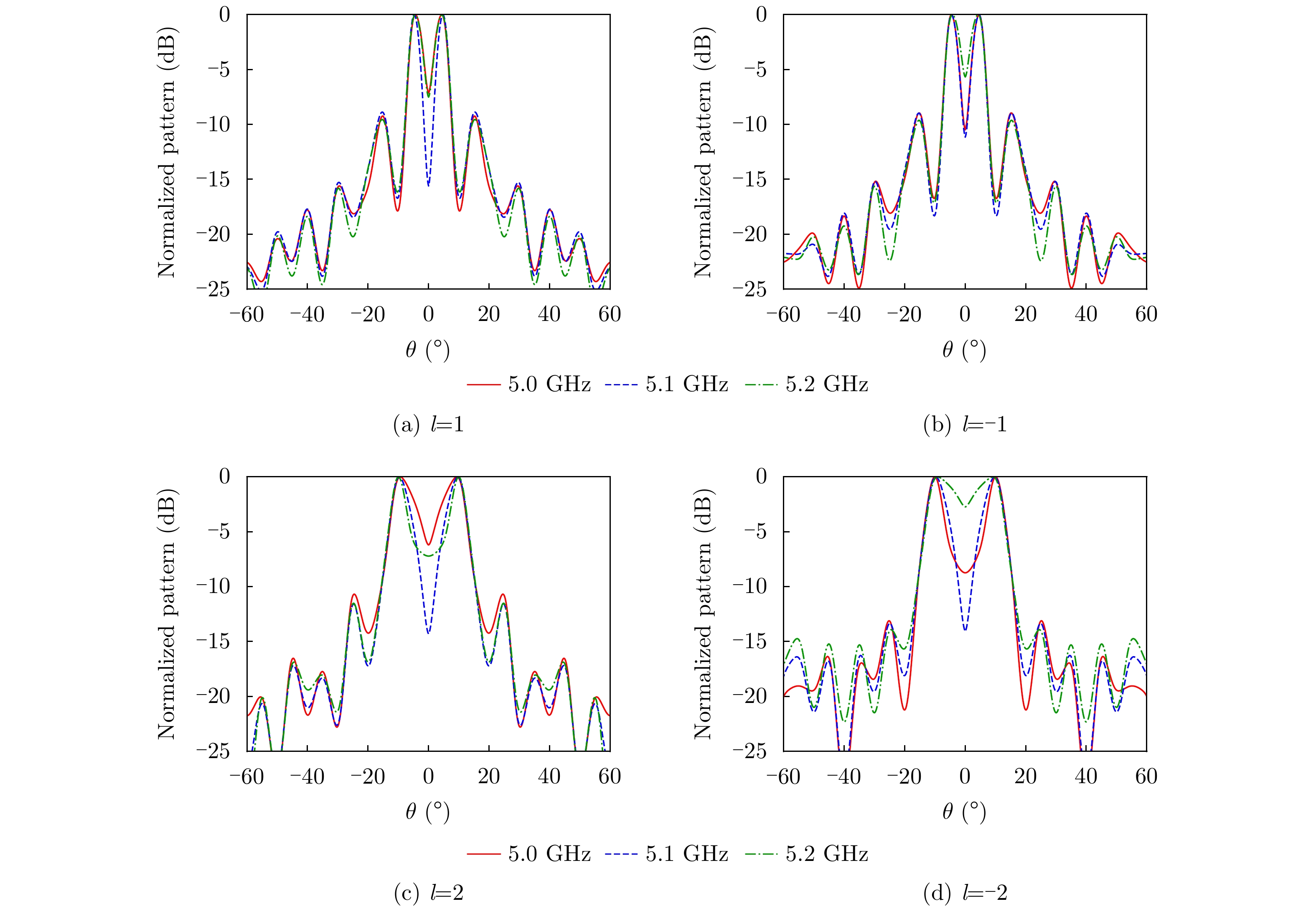
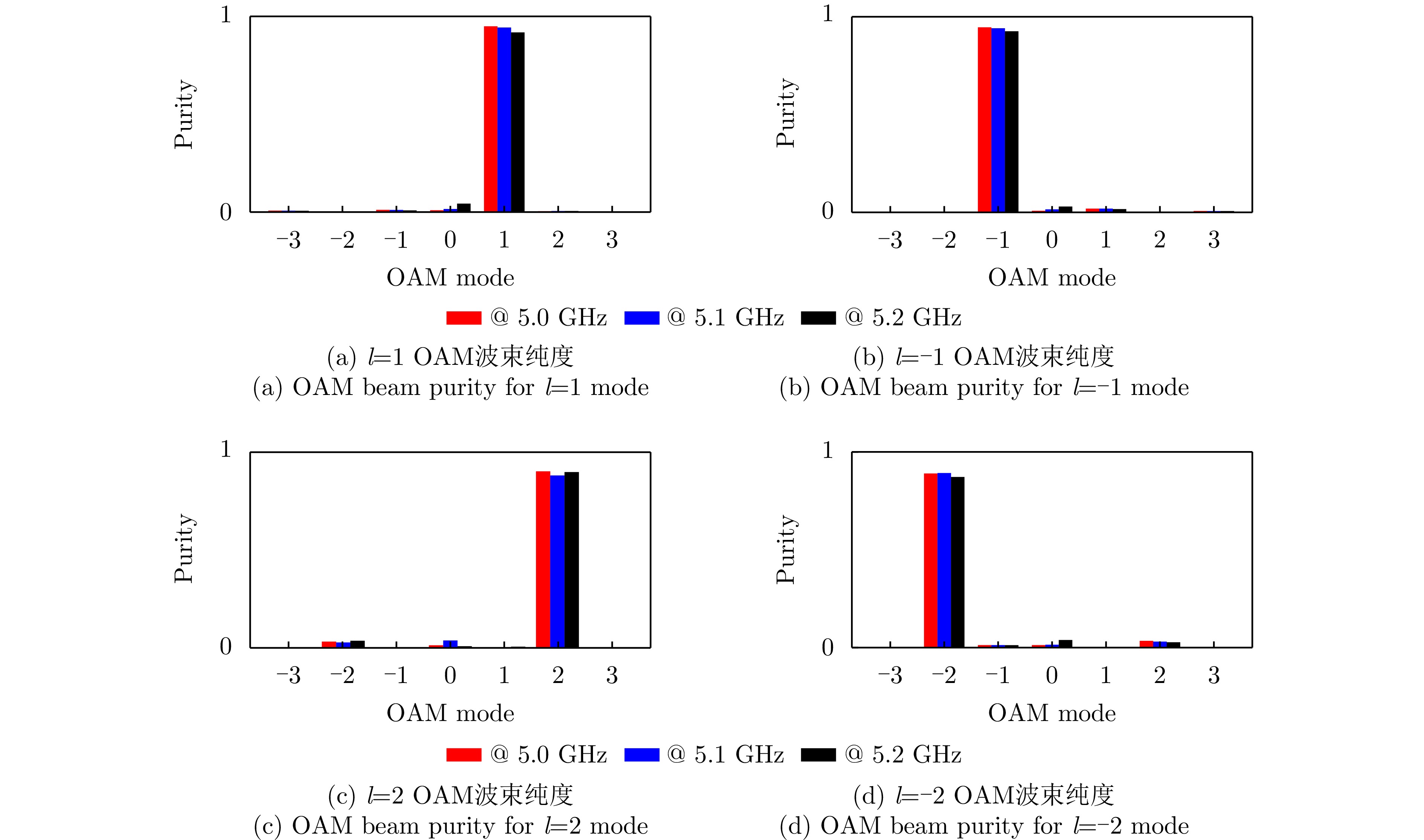
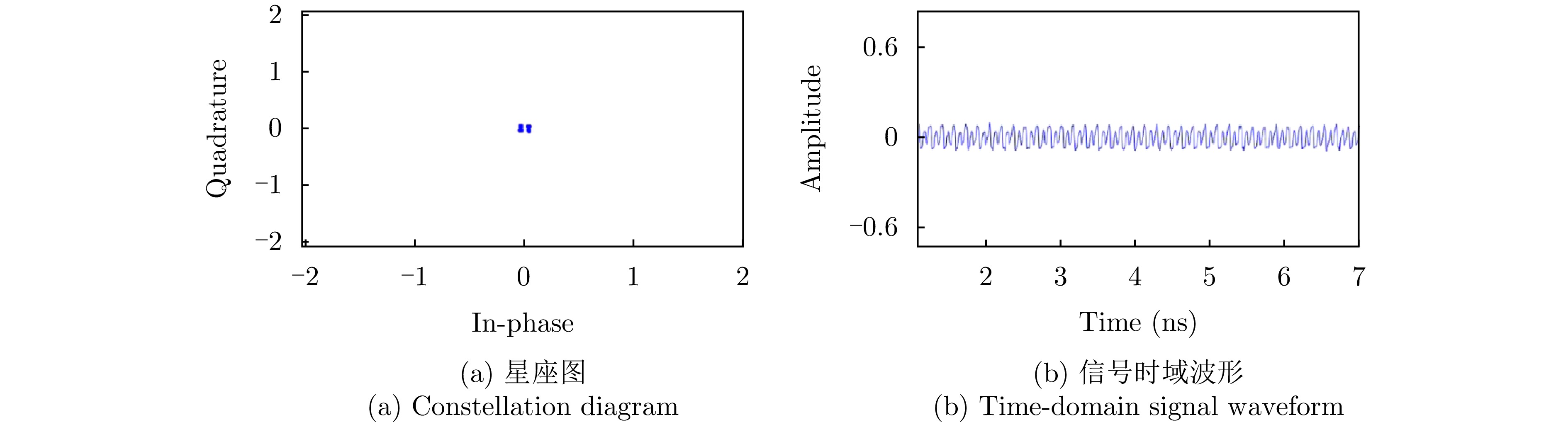
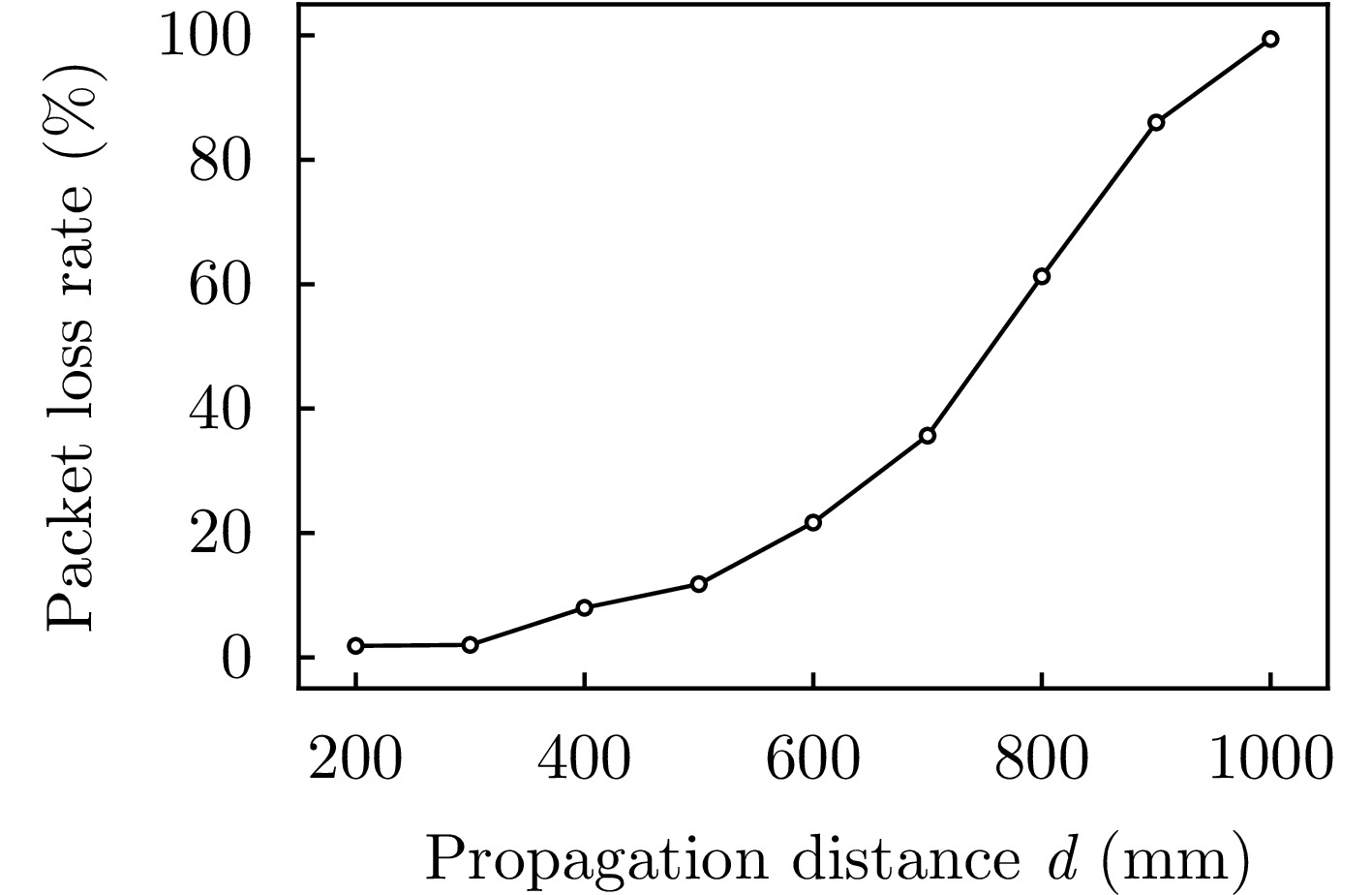
To address communication interference in complex electromagnetic environments and overcome the limitations of traditional fixed-aperture antennas in terms of real-time beam reconfiguration and dynamic adaptation to jamming, this paper proposes an anti-jamming Orbital Angular Momentum (OAM) Mode Shift Keying (OMSK) communication system based on Reconfigurable Intelligent Surfaces (RIS). First, a system channel model is established, and an analytical relationship between the bit error rate and OAM mode purity is derived. This analysis reveals that mode purity is the core bottleneck constraining the system’s anti-jamming performance, which provides a theoretical basis for the design of high-purity RIS hardware. Second, a 2-bit dual-polarized RIS operating at 5.1 GHz is designed. Simulations confirm that the purity of each excited mode exceeds 88%, whereas the measured purity exceeds 74%. Finally, a complete OMSK wireless communication prototype system is constructed. Comparative experiments verify the strong orthogonal isolation between OAM beams and plane waves as well as between different OAM modes. Anti-jamming communication tests are then conducted based on multiple mode-hopping coding sequences. The results show that at an extremely low transmission power of 10 mW, the receiver-side RIS reduces the system packet loss rate from over 80% to below 15%, with an equivalent error vector magnitude improvement of approximately 10 dB. Distance tests further quantify the effective communication boundary constrained by beam divergence. These results demonstrate that the RIS-based OMSK system can achieve reliable wireless communication under low-power conditions.
To address communication interference in complex electromagnetic environments and overcome the limitations of traditional fixed-aperture antennas in terms of real-time beam reconfiguration and dynamic adaptation to jamming, this paper proposes an anti-jamming Orbital Angular Momentum (OAM) Mode Shift Keying (OMSK) communication system based on Reconfigurable Intelligent Surfaces (RIS). First, a system channel model is established, and an analytical relationship between the bit error rate and OAM mode purity is derived. This analysis reveals that mode purity is the core bottleneck constraining the system’s anti-jamming performance, which provides a theoretical basis for the design of high-purity RIS hardware. Second, a 2-bit dual-polarized RIS operating at 5.1 GHz is designed. Simulations confirm that the purity of each excited mode exceeds 88%, whereas the measured purity exceeds 74%. Finally, a complete OMSK wireless communication prototype system is constructed. Comparative experiments verify the strong orthogonal isolation between OAM beams and plane waves as well as between different OAM modes. Anti-jamming communication tests are then conducted based on multiple mode-hopping coding sequences. The results show that at an extremely low transmission power of 10 mW, the receiver-side RIS reduces the system packet loss rate from over 80% to below 15%, with an equivalent error vector magnitude improvement of approximately 10 dB. Distance tests further quantify the effective communication boundary constrained by beam divergence. These results demonstrate that the RIS-based OMSK system can achieve reliable wireless communication under low-power conditions.








2026, 15(5): 1612-1628.
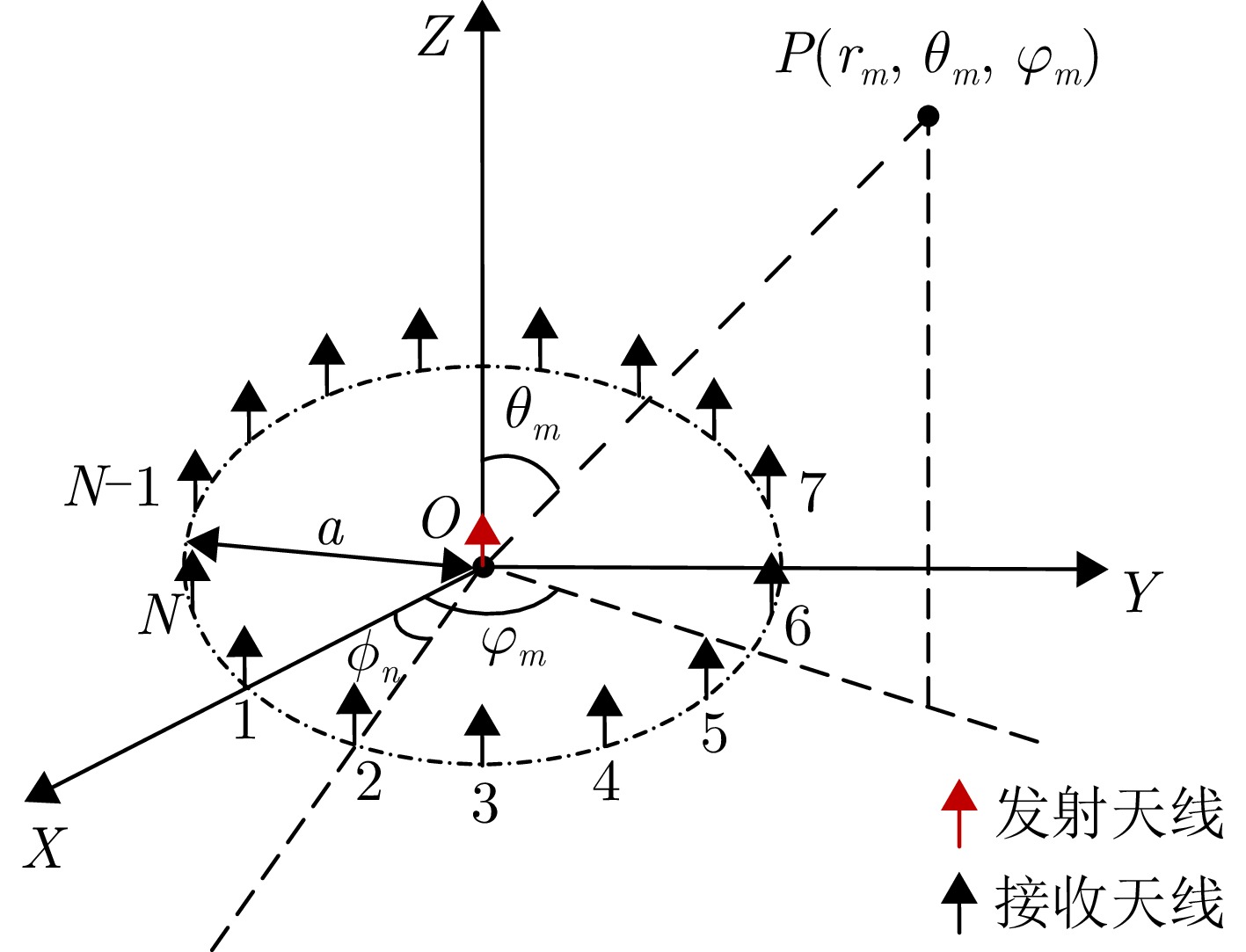
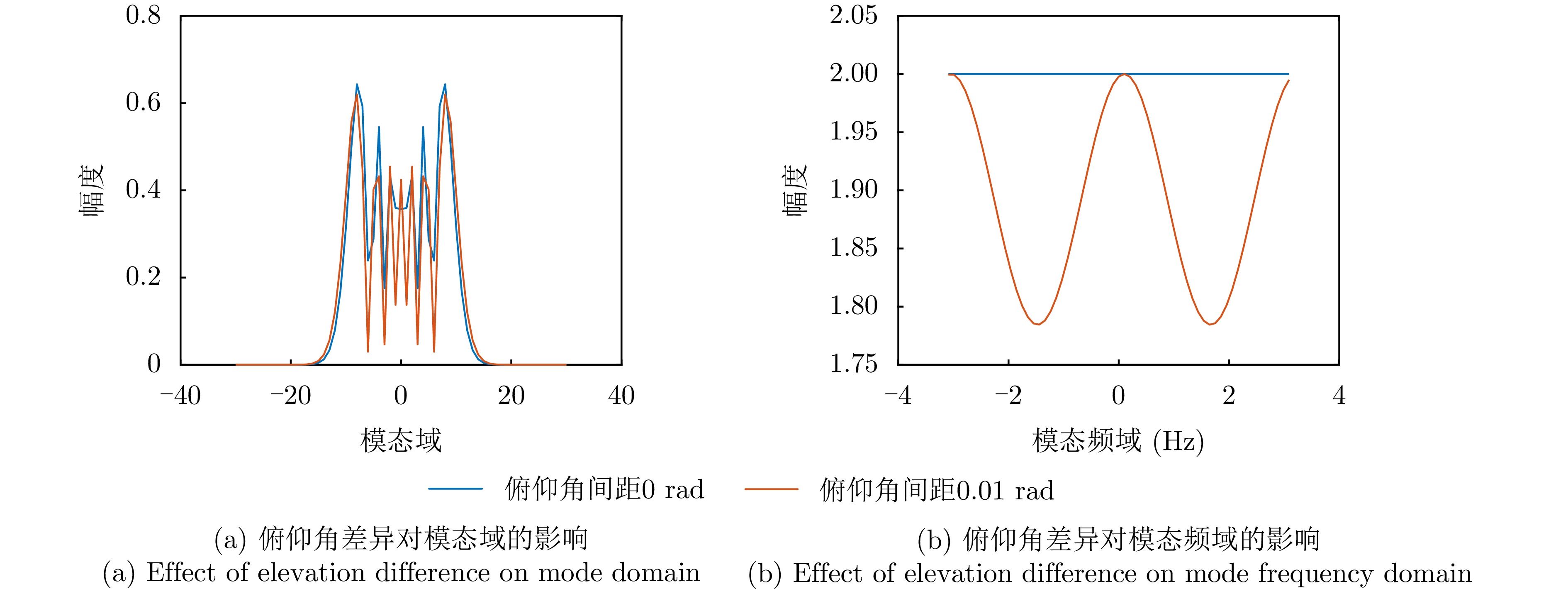
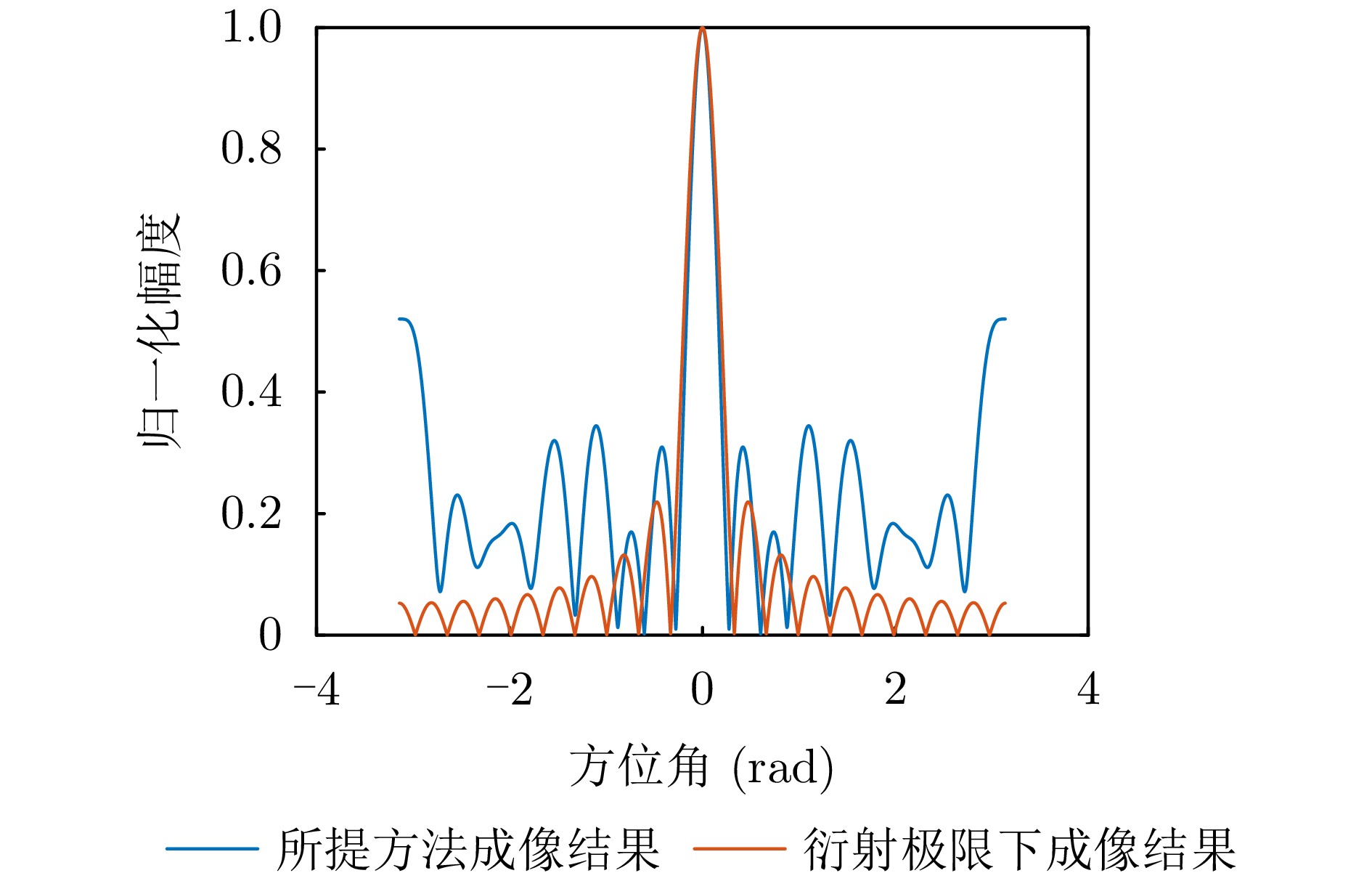
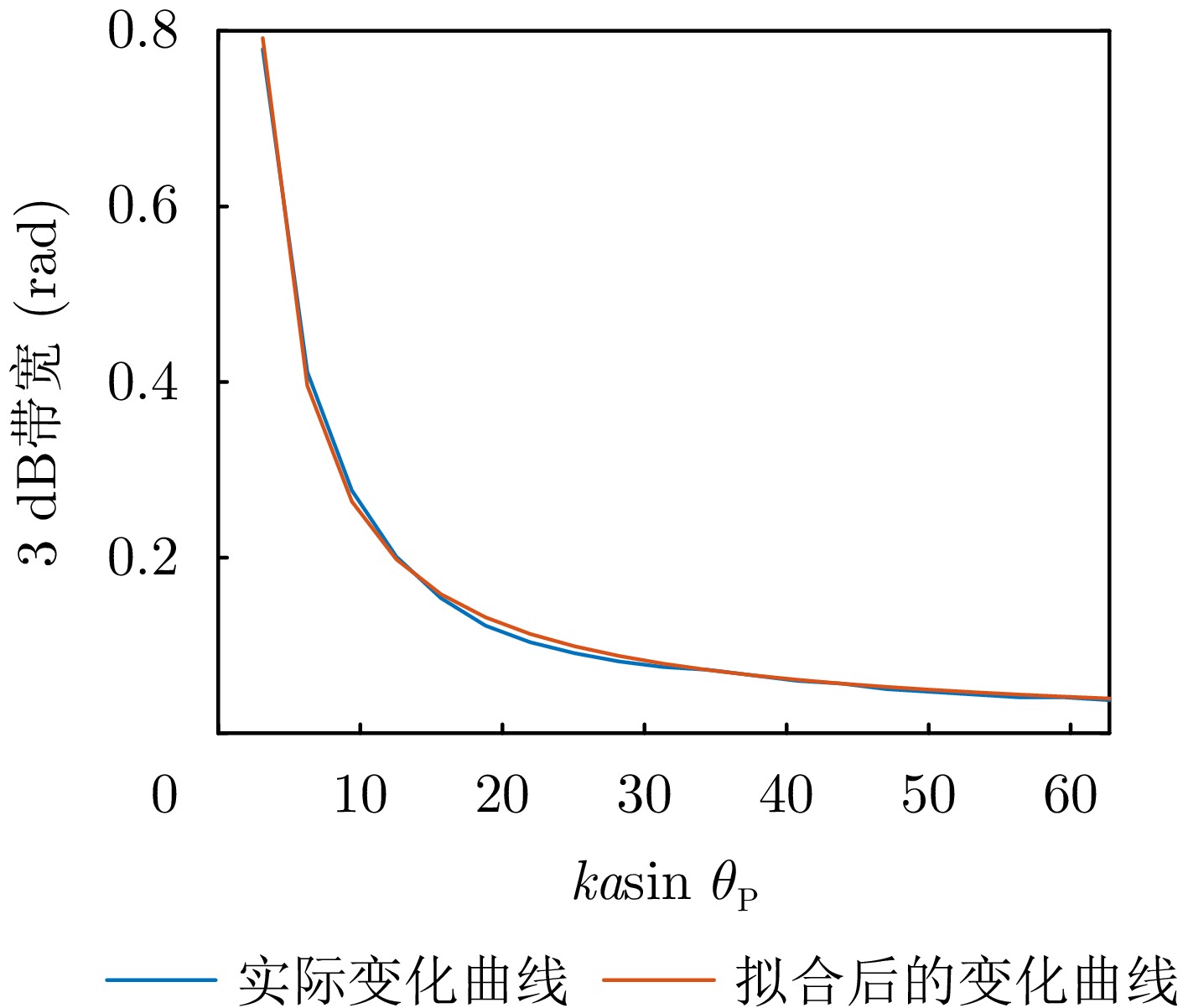
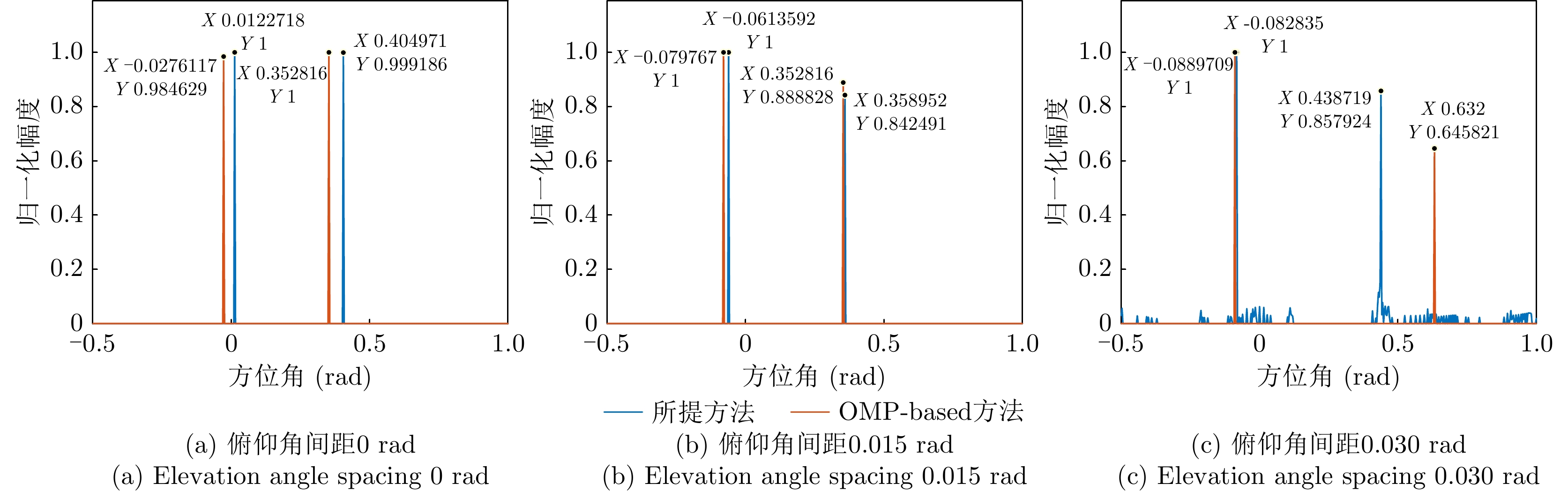
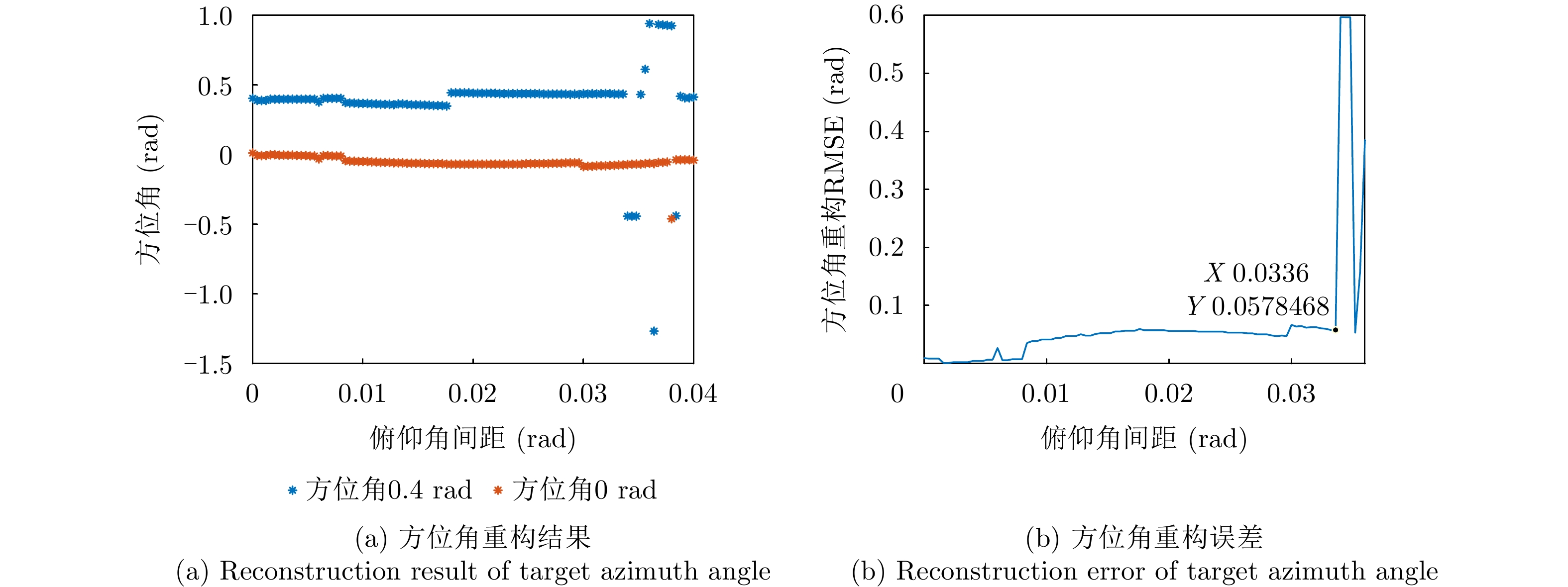
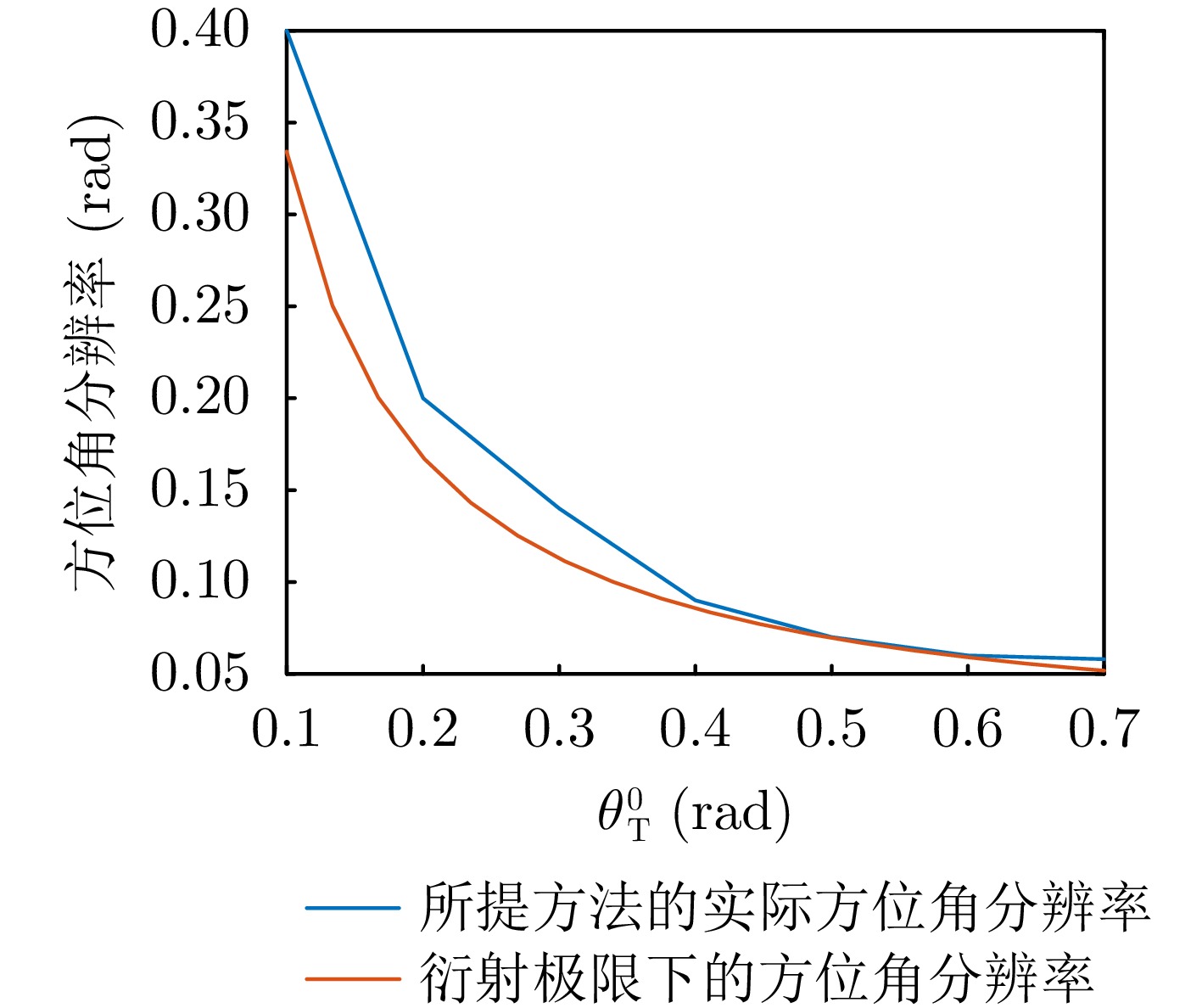
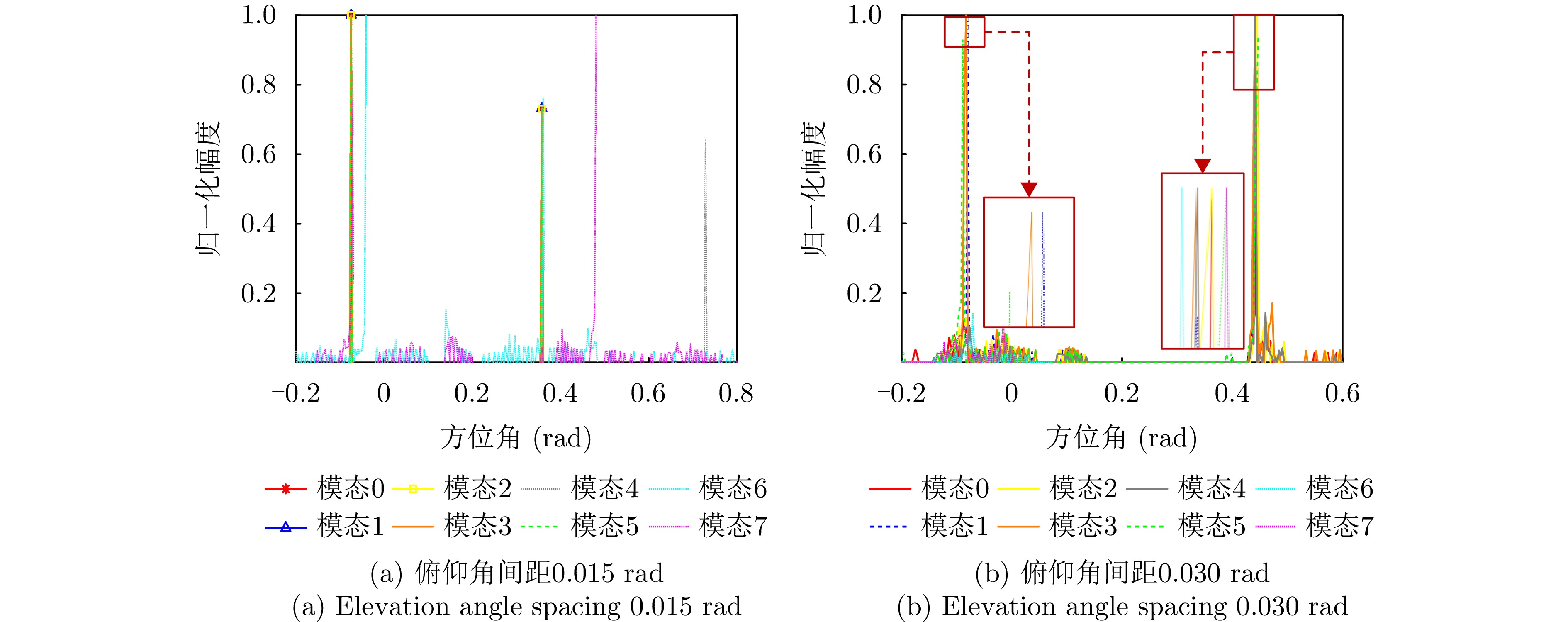
Owing to their inherent Orbital Angular Momentum (OAM), vortex electromagnetic waves display a helical wavefront phase structure. Their echoes include an amplitude component modulated by Bessel functions and a phase component modulated by the azimuth angle of the target. By utilizing different OAM modes, the azimuthal scattering points of targets can be measured differentially, enabling high-resolution azimuth imaging. However, current methods require observing targets with multiple OAM modes. The inconsistency of Bessel function terms across modes causes azimuth imaging resolution to degrade. Additionally, the Bessel function term is influenced by the elevation angle of the scattering points, resulting in strong coupling between elevation and azimuth information. When the elevation angles change, compensation becomes challenging, further reducing azimuth resolution. To overcome these issues, this paper uses single-mode vortex electromagnetic waves to observe targets. By compensating the echo signals, the azimuth information of the scattering points is shifted from the phase to the amplitude, producing the desired single-mode signal. This method diminishes the effect of elevation angle variations on the amplitude component, thereby lessening their impact on azimuth imaging. At the same time, the amplitude time-delay is employed to locate the azimuth positions of the scattering points, enabling two-dimensional range-azimuth imaging based on the single-mode signal. Simulation experiments show that the proposed method achieves azimuth resolution close to the diffraction limit even with changing elevation angles, while maintaining strong imaging performance.
Owing to their inherent Orbital Angular Momentum (OAM), vortex electromagnetic waves display a helical wavefront phase structure. Their echoes include an amplitude component modulated by Bessel functions and a phase component modulated by the azimuth angle of the target. By utilizing different OAM modes, the azimuthal scattering points of targets can be measured differentially, enabling high-resolution azimuth imaging. However, current methods require observing targets with multiple OAM modes. The inconsistency of Bessel function terms across modes causes azimuth imaging resolution to degrade. Additionally, the Bessel function term is influenced by the elevation angle of the scattering points, resulting in strong coupling between elevation and azimuth information. When the elevation angles change, compensation becomes challenging, further reducing azimuth resolution. To overcome these issues, this paper uses single-mode vortex electromagnetic waves to observe targets. By compensating the echo signals, the azimuth information of the scattering points is shifted from the phase to the amplitude, producing the desired single-mode signal. This method diminishes the effect of elevation angle variations on the amplitude component, thereby lessening their impact on azimuth imaging. At the same time, the amplitude time-delay is employed to locate the azimuth positions of the scattering points, enabling two-dimensional range-azimuth imaging based on the single-mode signal. Simulation experiments show that the proposed method achieves azimuth resolution close to the diffraction limit even with changing elevation angles, while maintaining strong imaging performance.








2026, 15(5): 1629-1649.
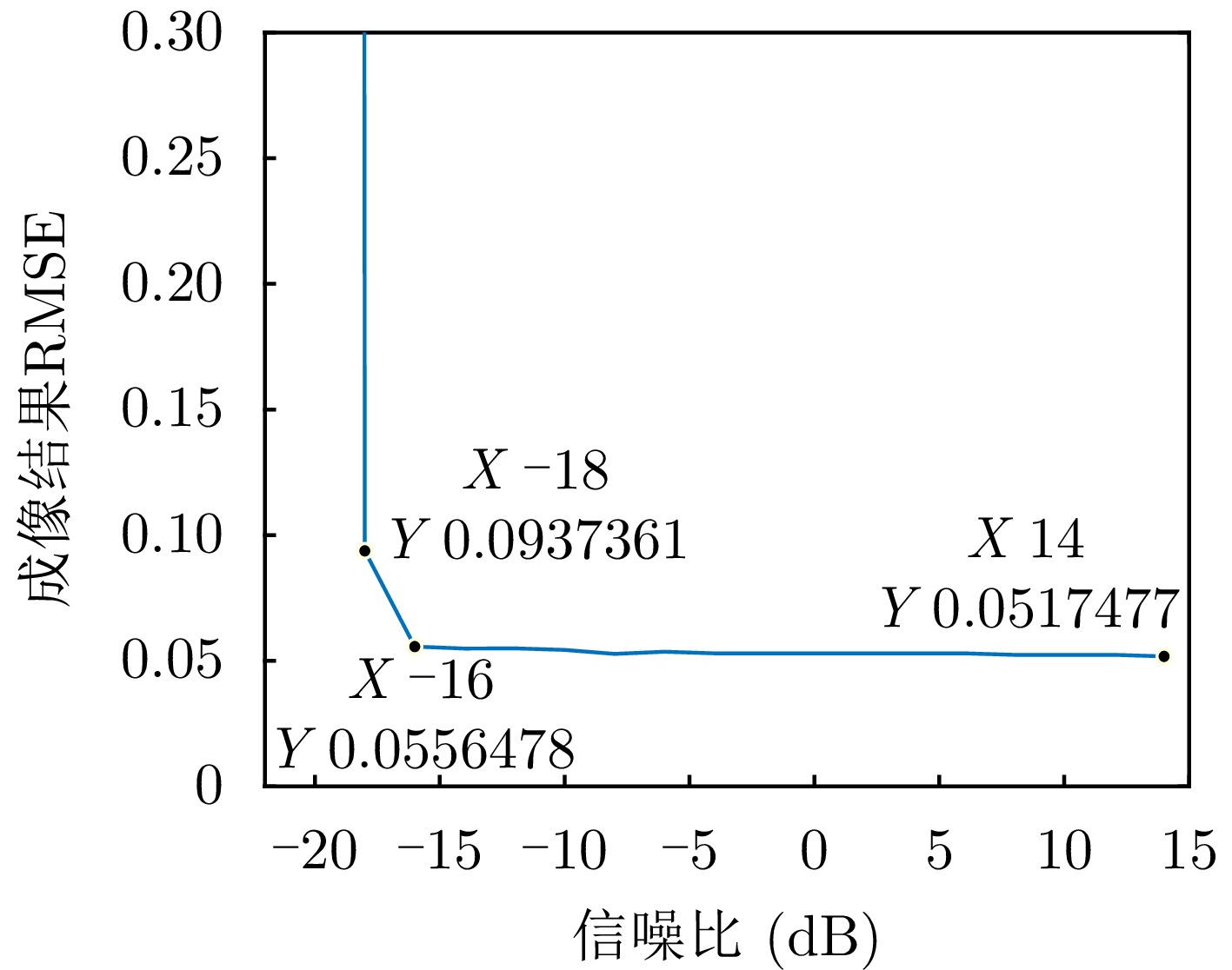
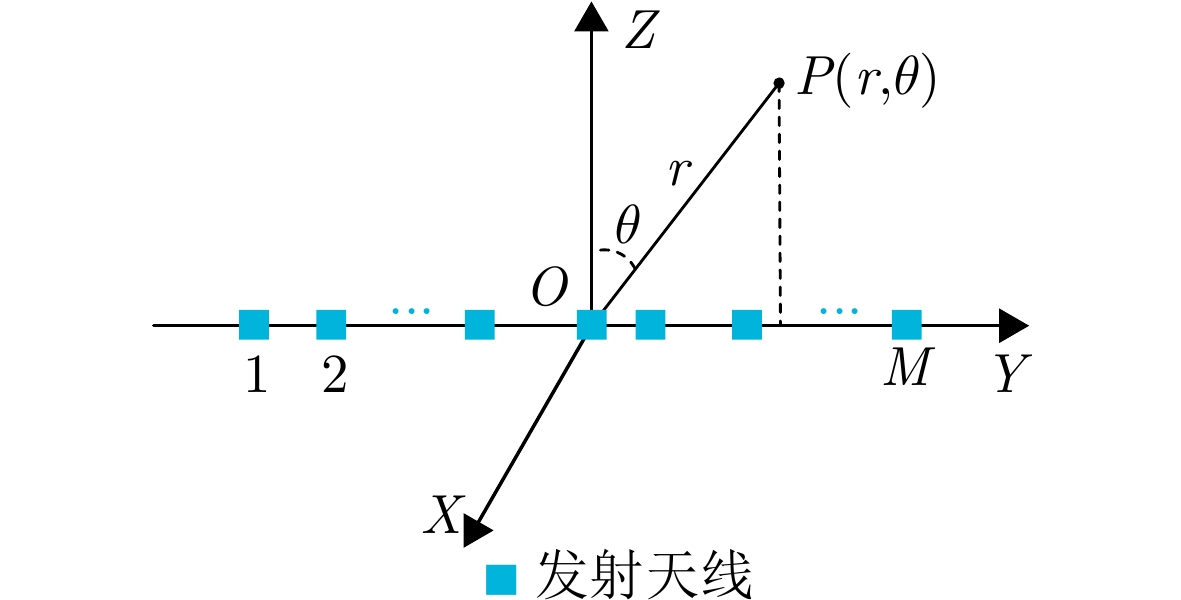
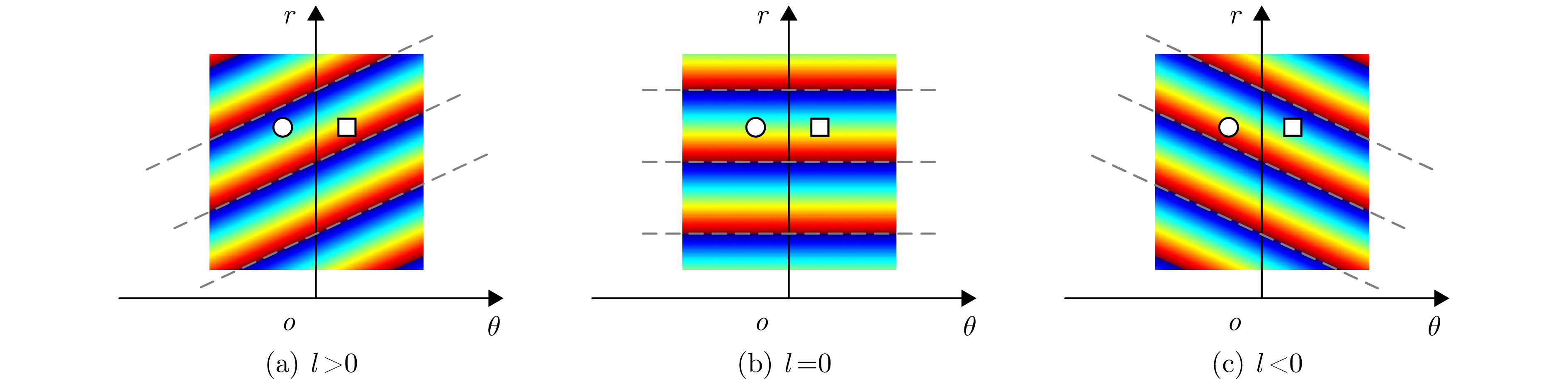
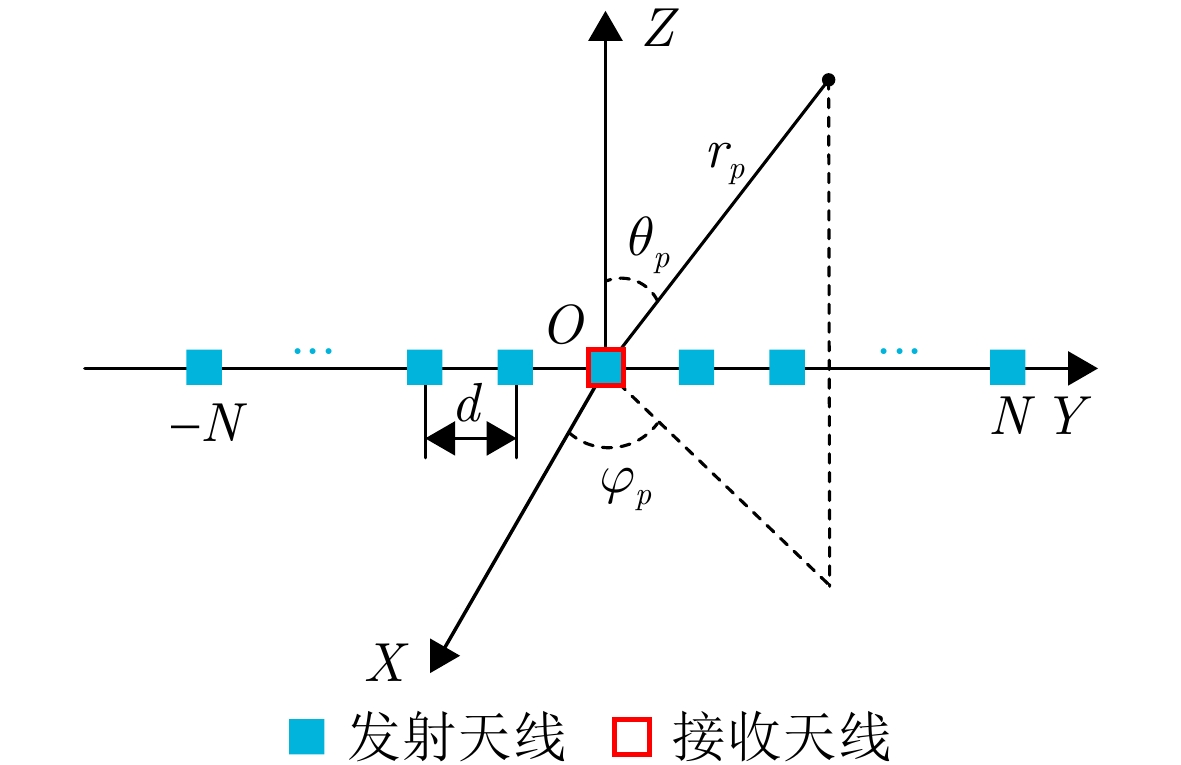
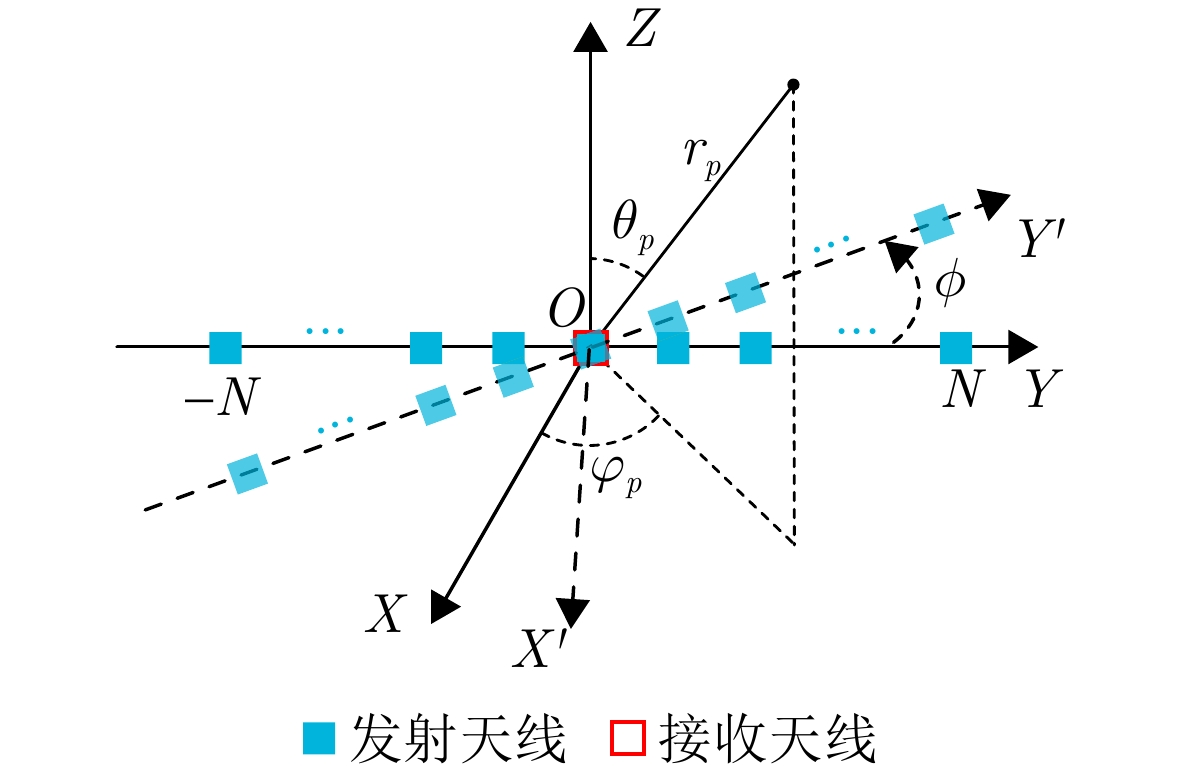
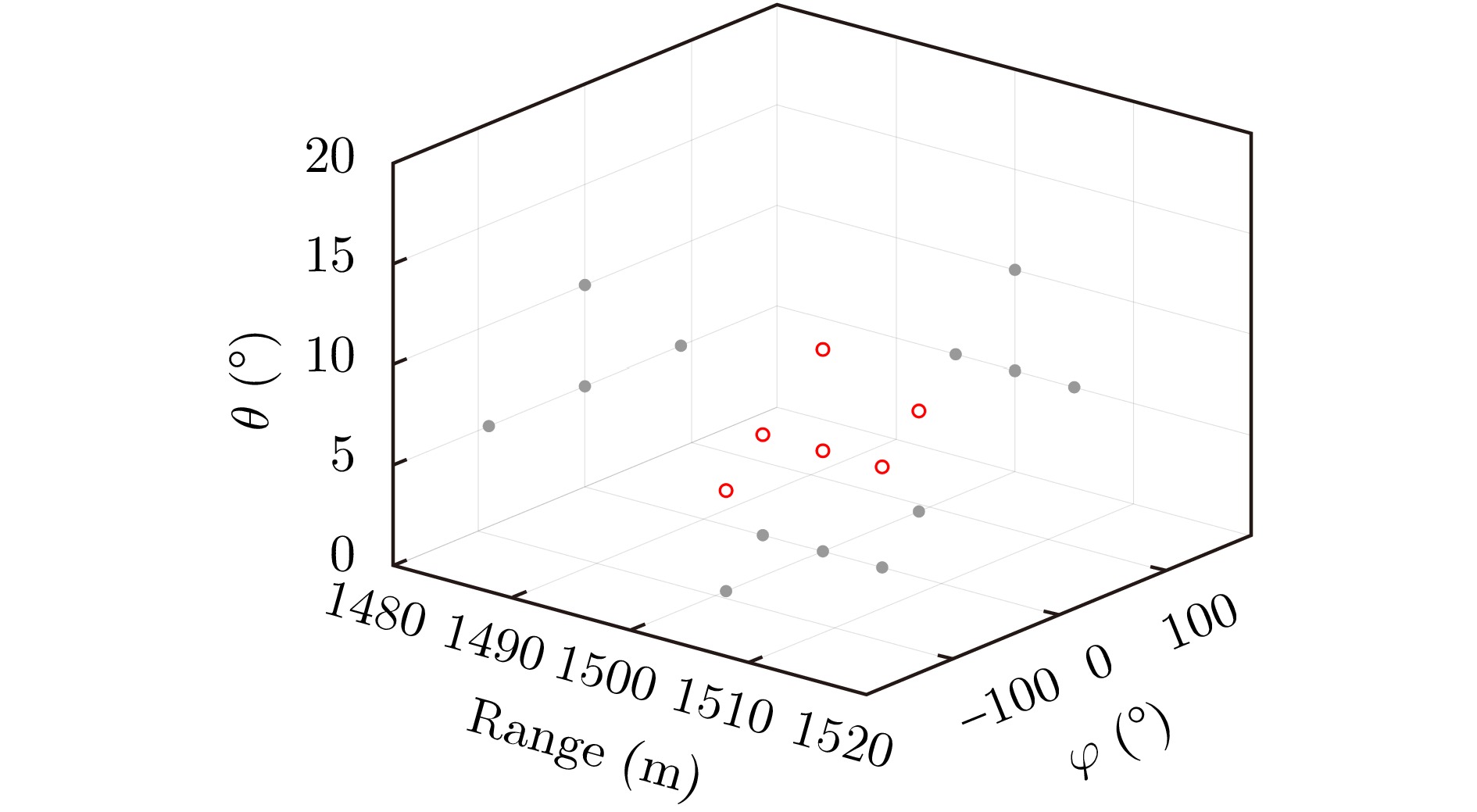
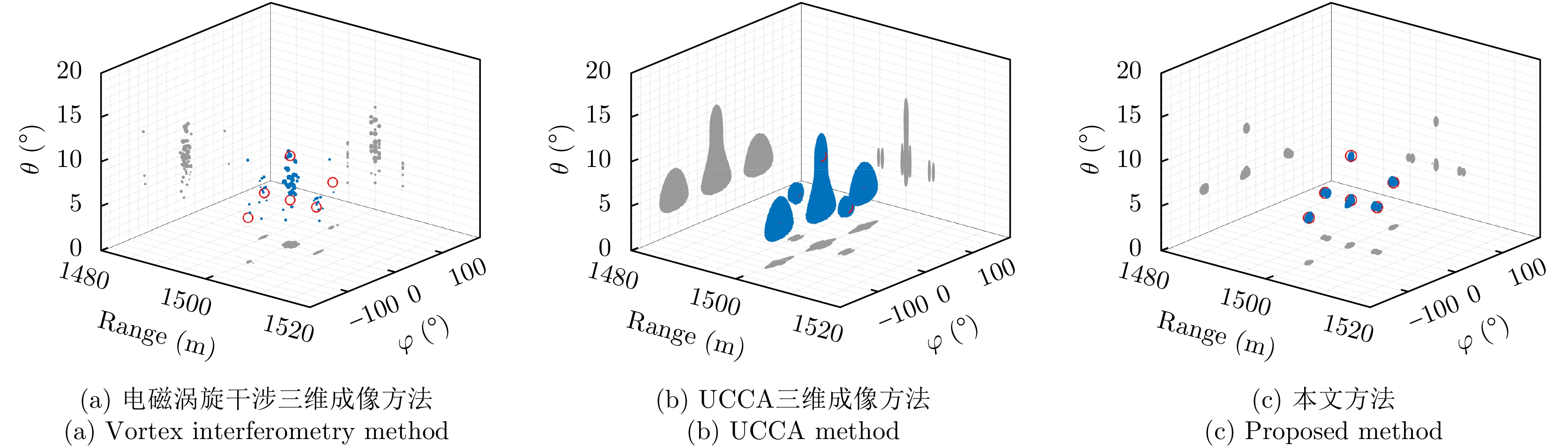
Vortex Electromagnetic (EM) waves exhibit spiral phase fronts and have attracted considerable interest in radar forward-looking imaging. However, their Bessel-type radiation intensity pattern limits detection range, imaging field of view, and the ability of EM vortex radar to retrieve elevation information. To overcome these limitations, this study analyzes the radiation field requirements of forward-looking imaging, and proposes a novel linear wavefront modulation scheme for EM waves. Inspired by the modulation mechanism of vortex waves, a linear wavefront modulation method based on a uniform linear array is developed. Full-wave simulations and radiation field measurements demonstrate that the proposed wave not only exhibits a phase front that varies linearly with elevation angle, but also forms a focused mainlobe, effectively avoiding energy divergence and axial nulls inherent to vortex waves. Moreover, its radiation field distribution shows coupled elevation-azimuth dependence. Based on this property, a forward-looking three-Dimensional (3D) imaging model is established. An elevation-azimuth imaging method using a rotating array and back-projection algorithm is proposed, and 3D images are reconstructed by integrating range information. Simulation results show that the proposed method enables forward-looking 3D imaging with robust performance under multi-target and low signal-to-noise ratio conditions. Compared with existing vortex interferometric and array-based real-aperture 3D imaging techniques, the proposed approach achieves superior imaging performance.
Vortex Electromagnetic (EM) waves exhibit spiral phase fronts and have attracted considerable interest in radar forward-looking imaging. However, their Bessel-type radiation intensity pattern limits detection range, imaging field of view, and the ability of EM vortex radar to retrieve elevation information. To overcome these limitations, this study analyzes the radiation field requirements of forward-looking imaging, and proposes a novel linear wavefront modulation scheme for EM waves. Inspired by the modulation mechanism of vortex waves, a linear wavefront modulation method based on a uniform linear array is developed. Full-wave simulations and radiation field measurements demonstrate that the proposed wave not only exhibits a phase front that varies linearly with elevation angle, but also forms a focused mainlobe, effectively avoiding energy divergence and axial nulls inherent to vortex waves. Moreover, its radiation field distribution shows coupled elevation-azimuth dependence. Based on this property, a forward-looking three-Dimensional (3D) imaging model is established. An elevation-azimuth imaging method using a rotating array and back-projection algorithm is proposed, and 3D images are reconstructed by integrating range information. Simulation results show that the proposed method enables forward-looking 3D imaging with robust performance under multi-target and low signal-to-noise ratio conditions. Compared with existing vortex interferometric and array-based real-aperture 3D imaging techniques, the proposed approach achieves superior imaging performance.







2026, 15(5): 1650-1668.
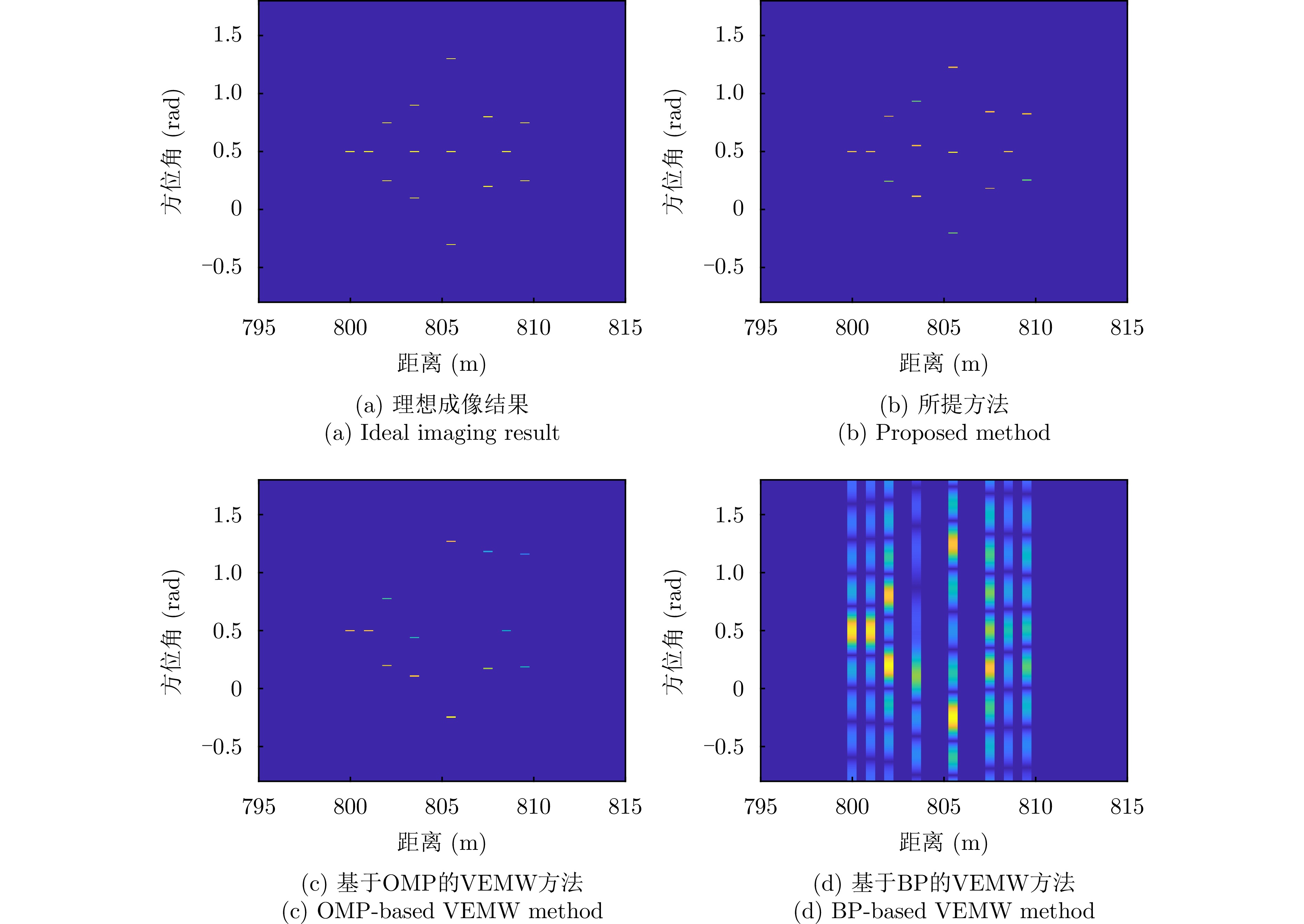
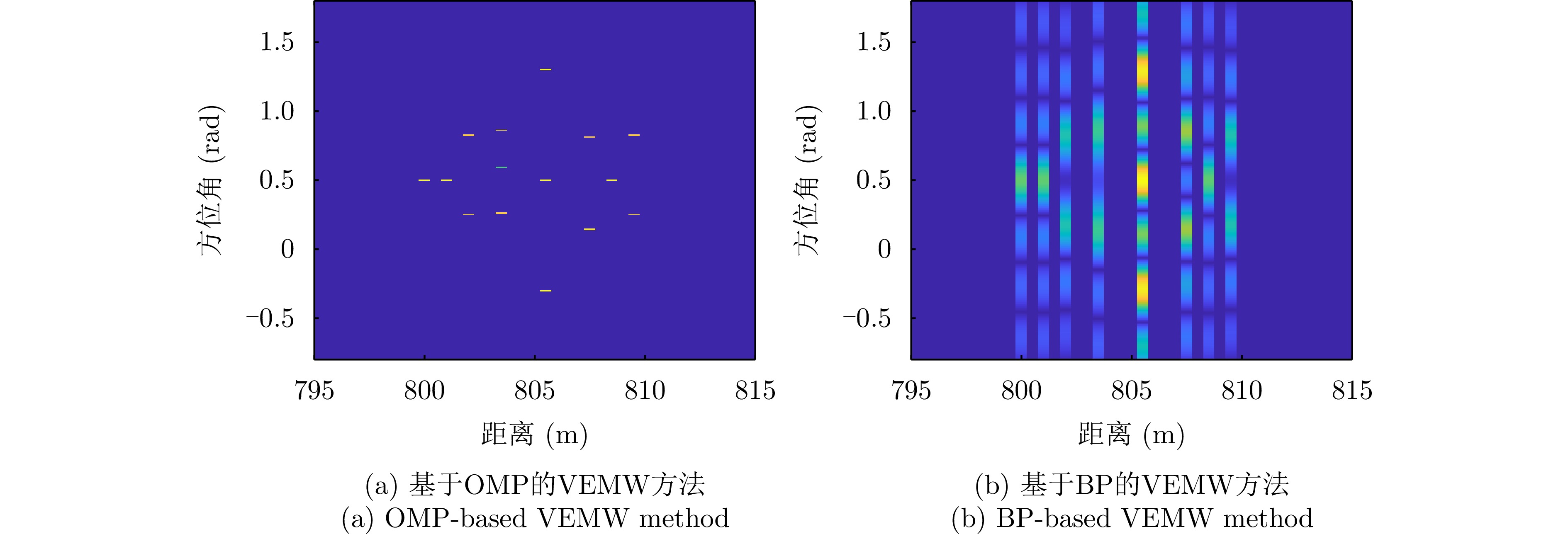
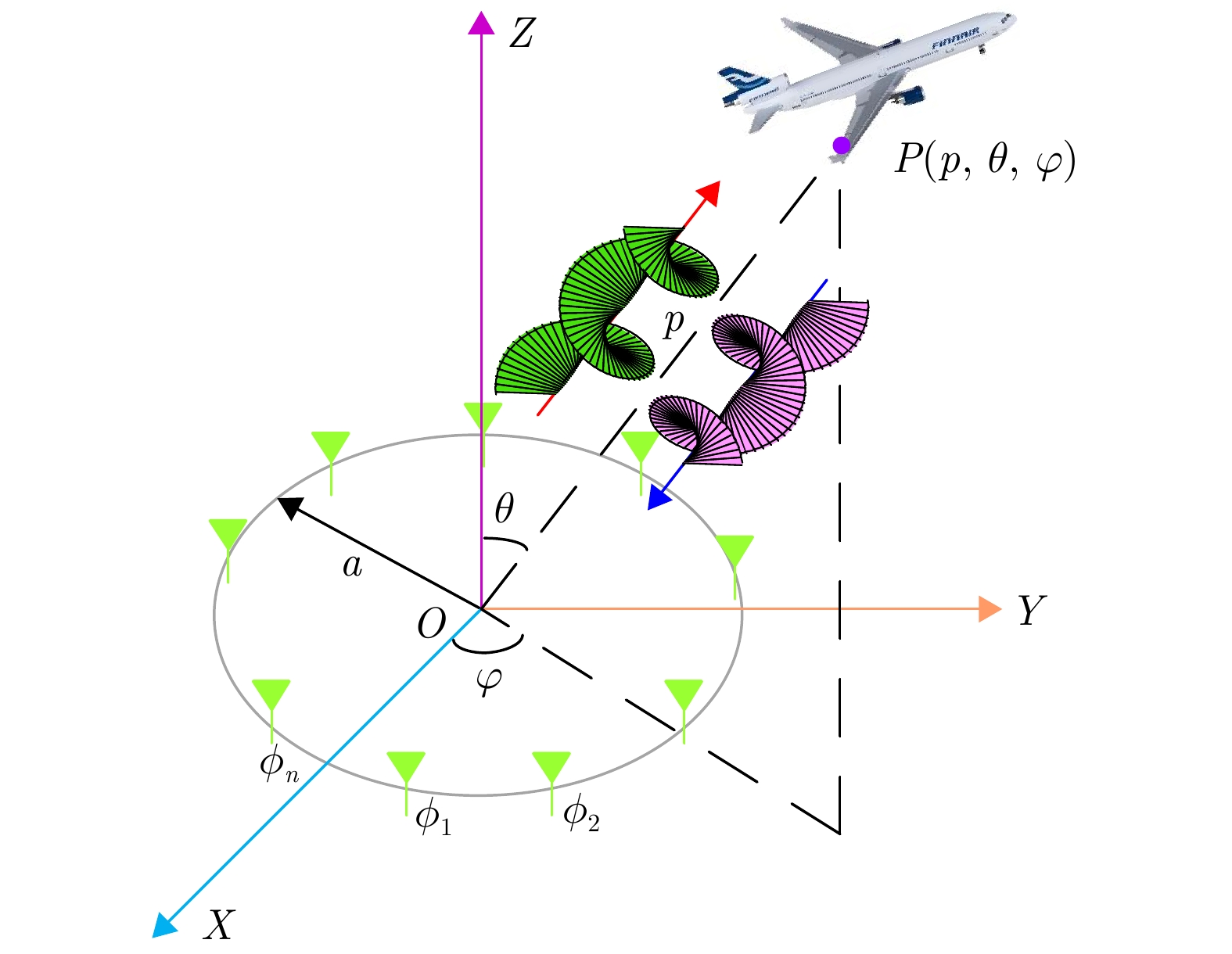
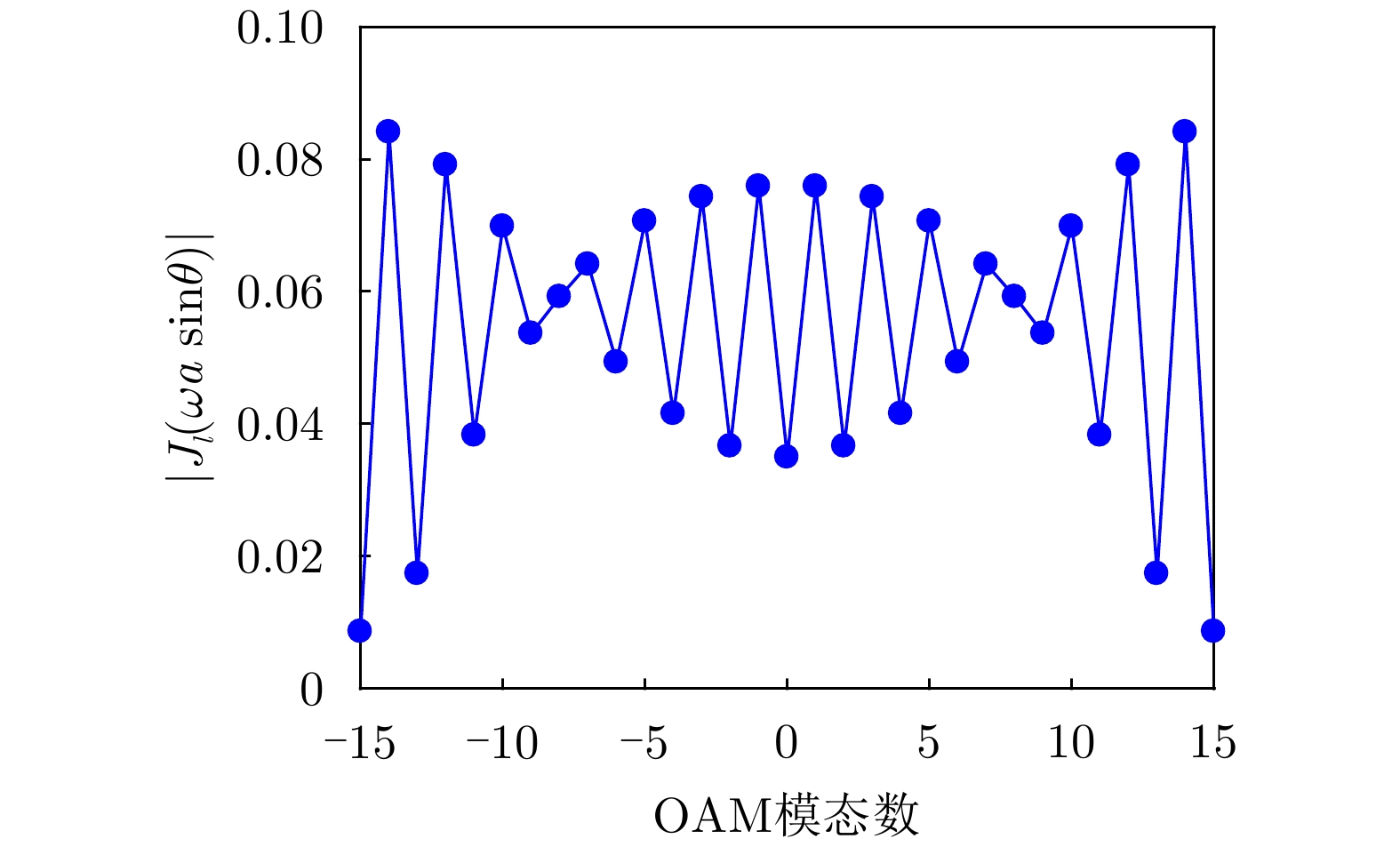
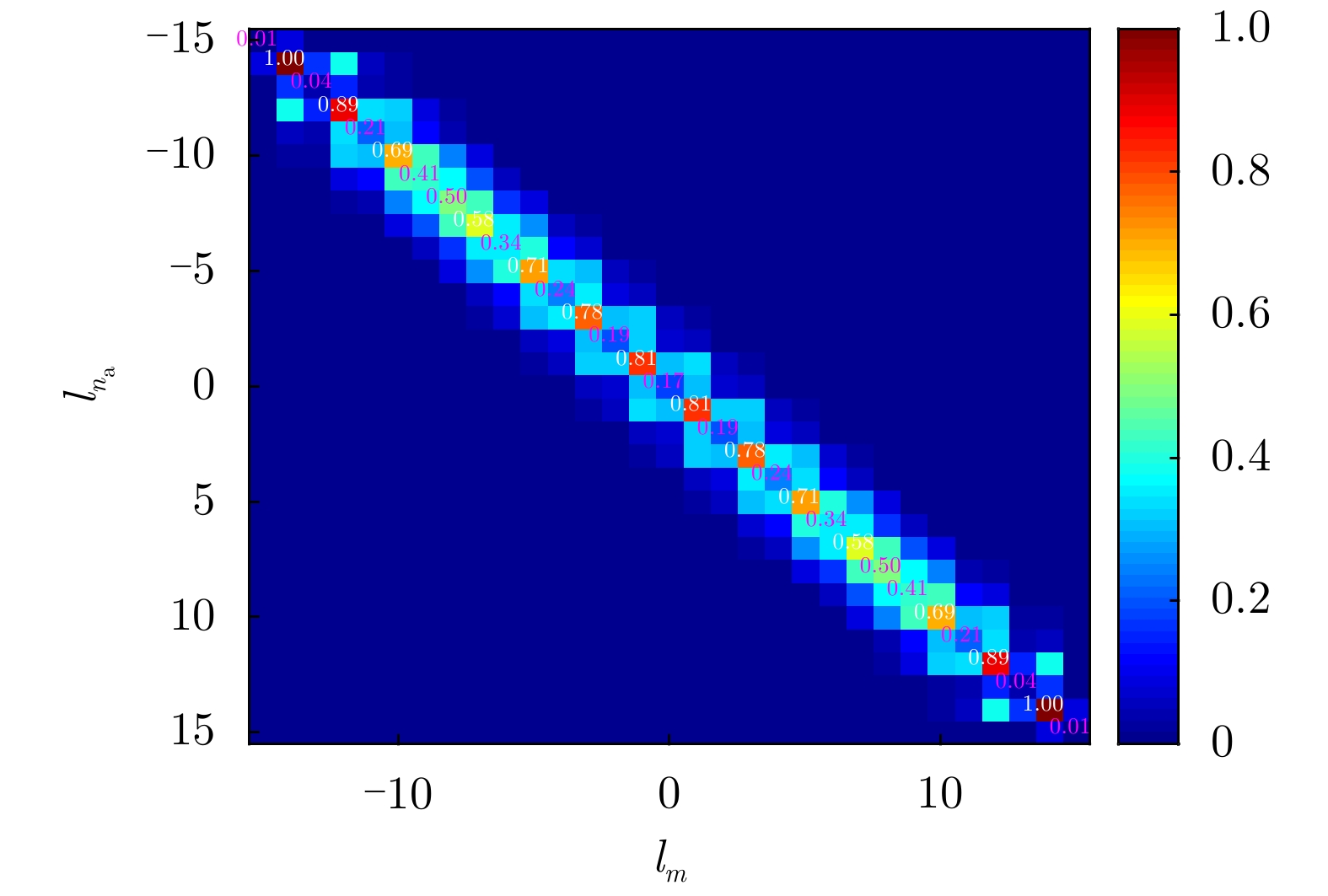
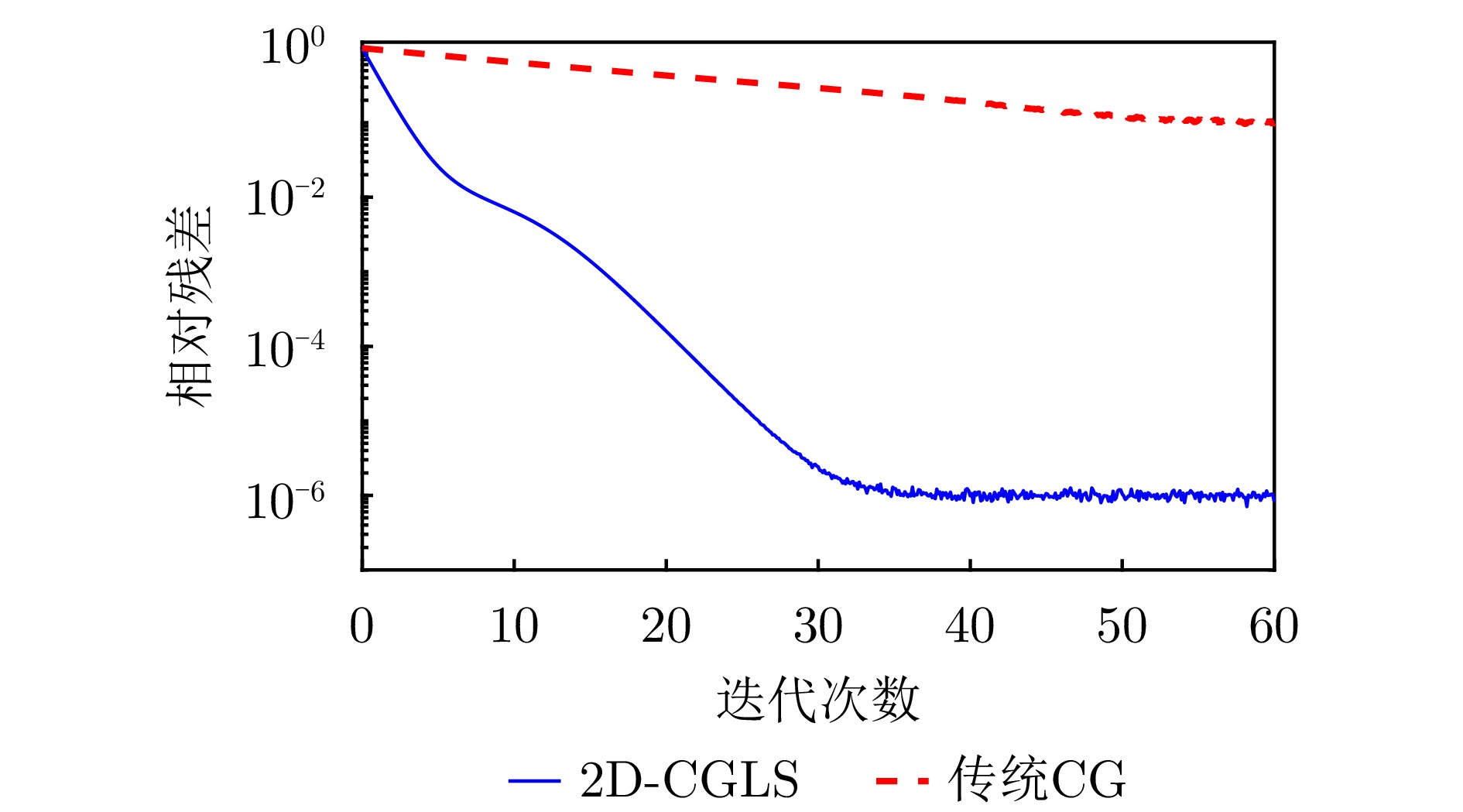
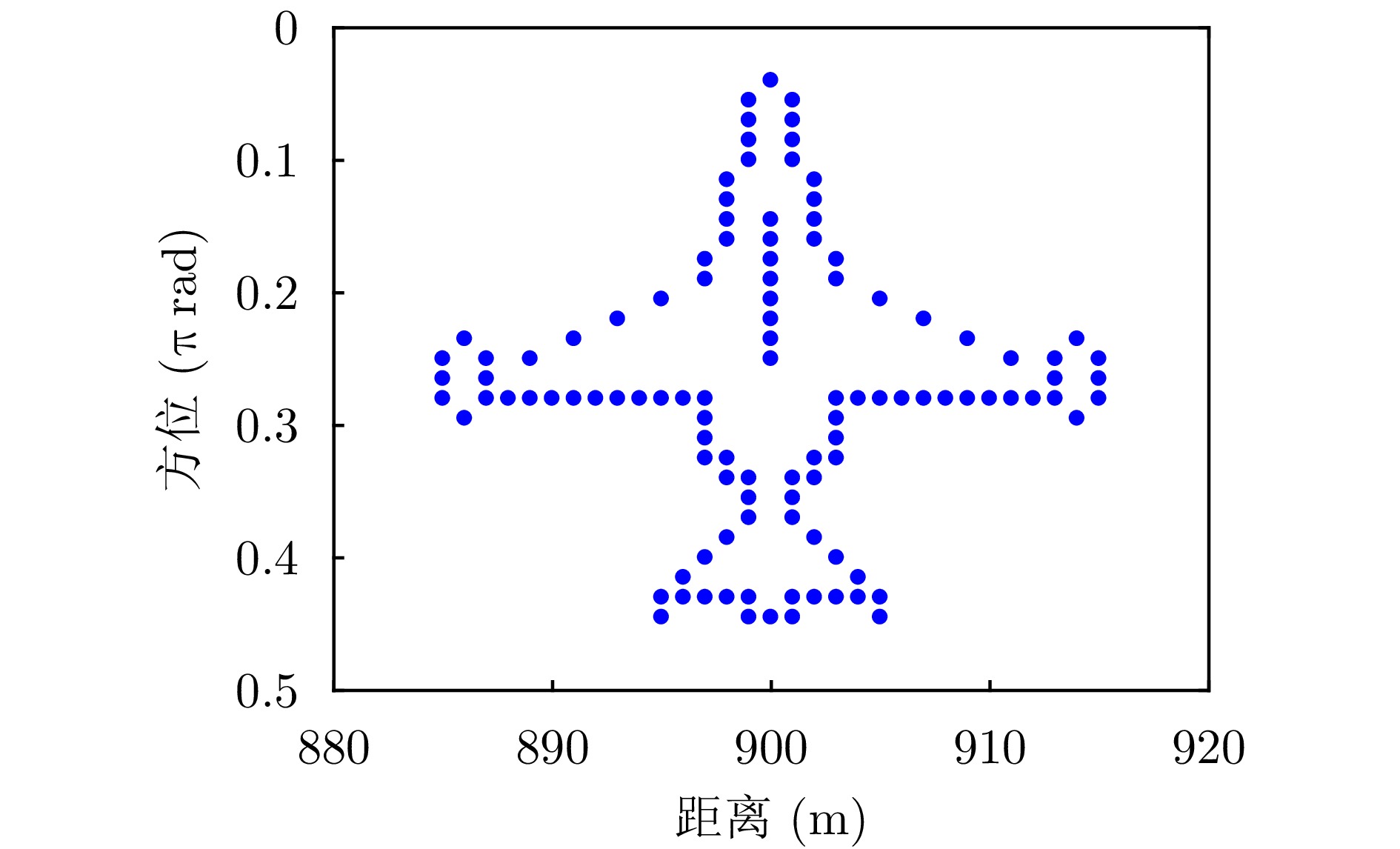
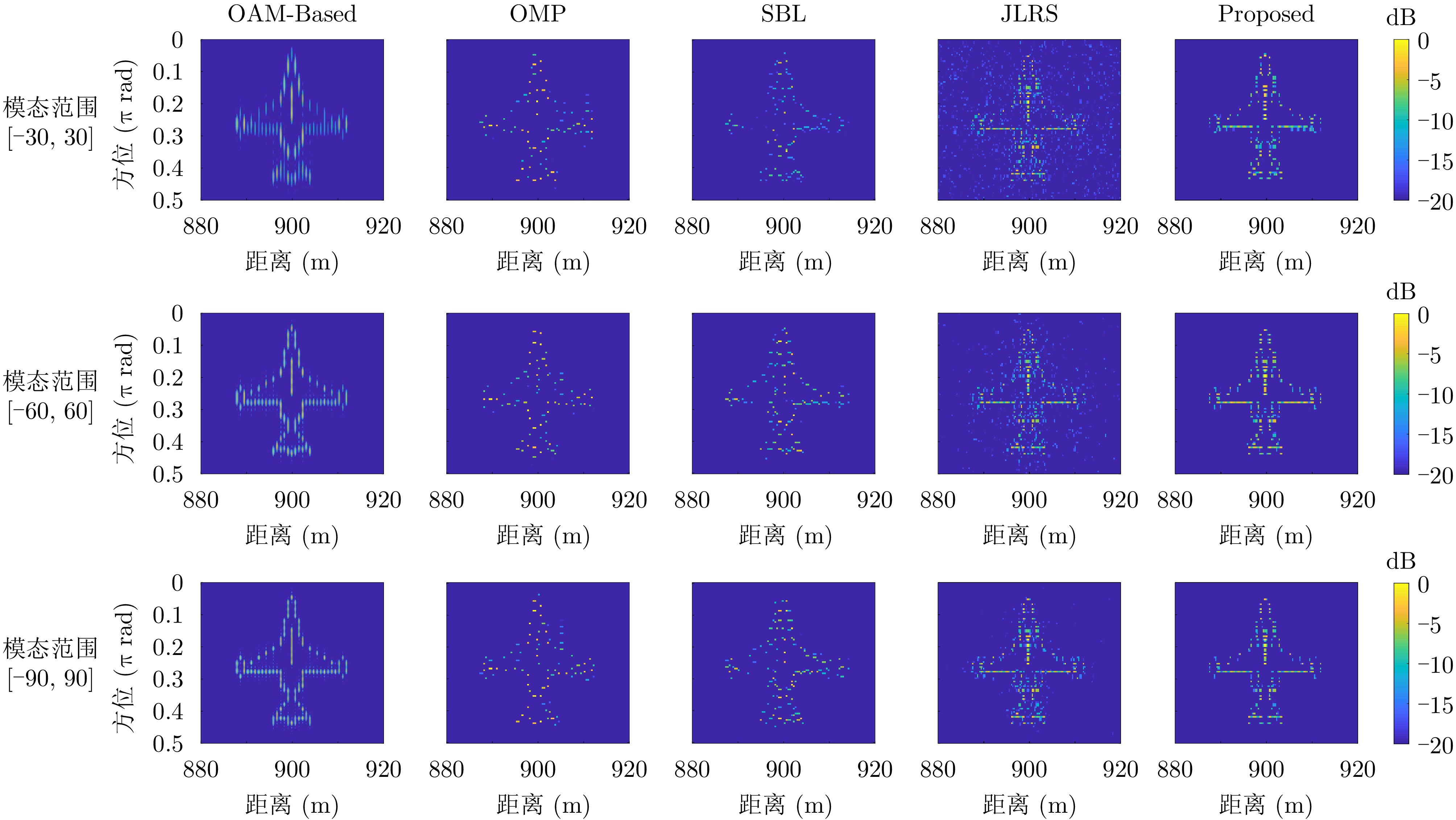
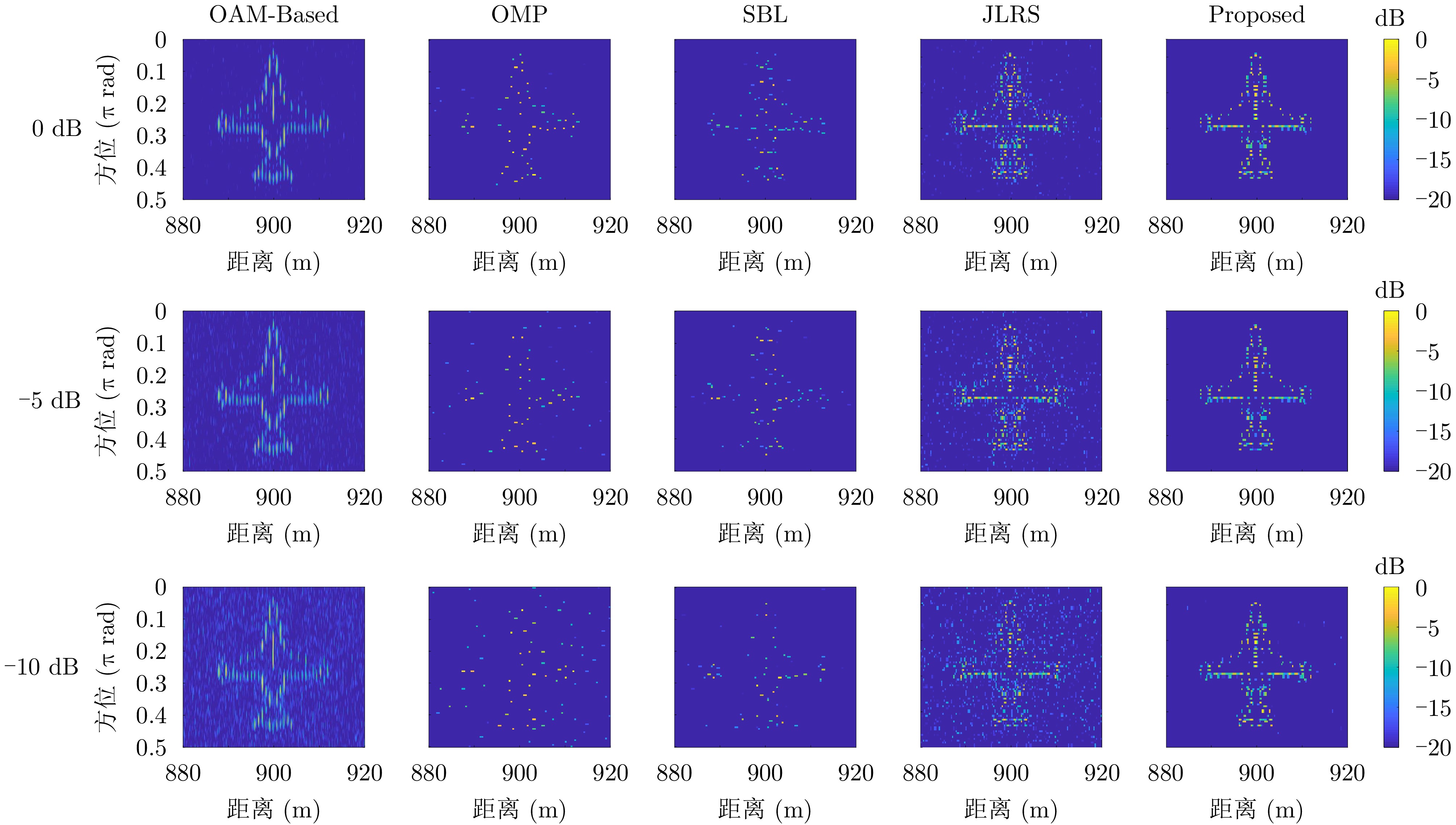
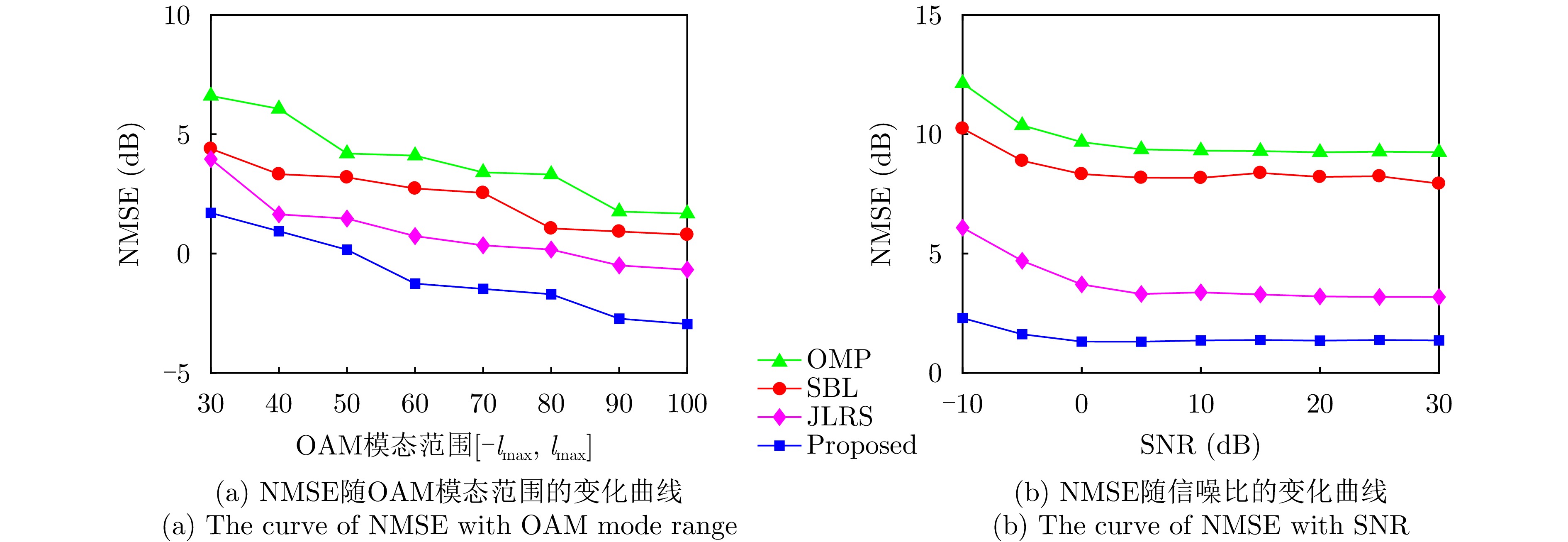
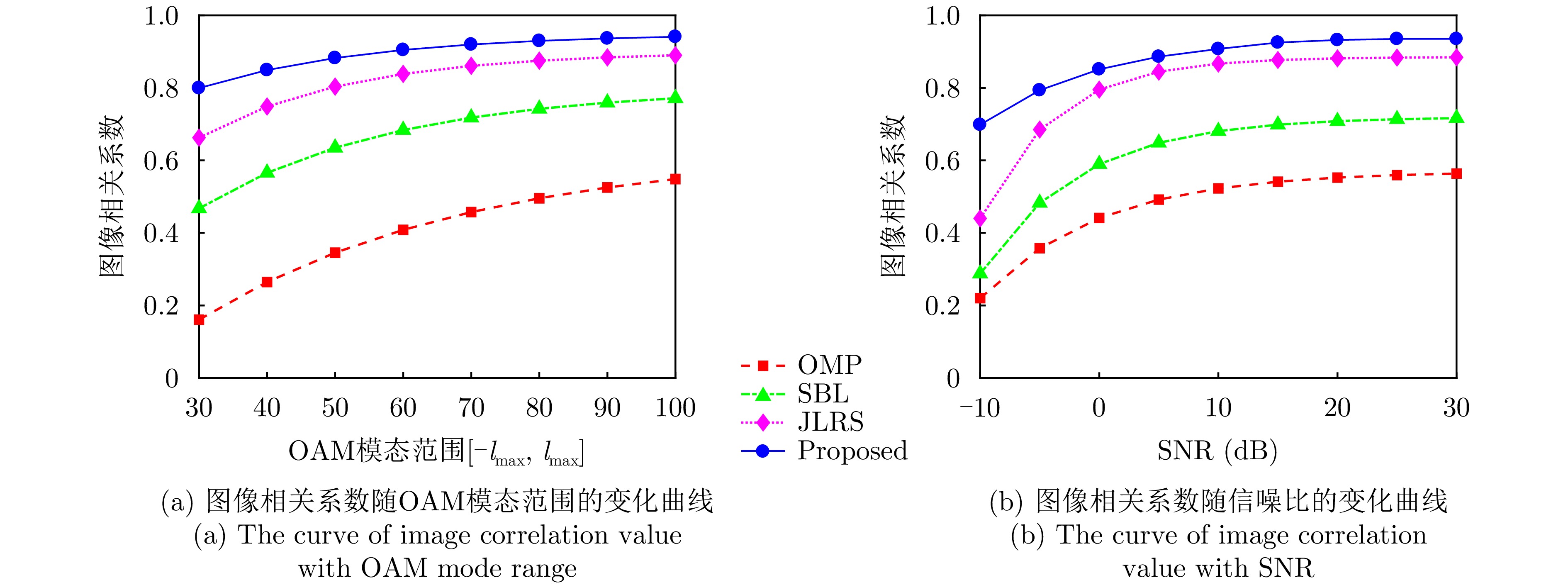
Vortex Electromagnetic Wave Radar (VEWR) leverages the orthogonality of Orbital Angular Momentum (OAM) modes, introducing a new physical dimension that theoretically overcomes the azimuth resolution limitations of conventional radar systems and enables enhanced micro-motion perception and forward-looking imaging. However, in practical engineering applications, the limited number of available OAM modes and the presence of complex electromagnetic noise often cause severe mode aliasing and resolution degradation. Existing sparse imaging methods face inherent trade-offs between accuracy and computational efficiency and exhibit limited robustness to noise. To address these issues, this paper proposes a super-resolution imaging framework that integrates Mode Correlation Weighting and Adaptive Regularization (MCW-AR). First, a forward-looking imaging geometry and a wavefront-modulated signal model for VEWR are established. Subsequently, an OAM mode correlation matrix is designed to characterize the nonuniform distribution of radiation energy among modes, where Bessel-function-modulated weights reinforce the low-rank constraints of dominant radiation components. Finally, a compound optimization model combining sparsity and low-rankness priors is developed, incorporating an adaptive weighting mechanism that dynamically balances structural preservation and noise suppression. A joint optimization framework based on the Alternating Direction Method of Multipliers (ADMM) and Augmented Lagrangian Method (ALM) algorithms is constructed, in which the core image-updating subproblem is efficiently solved using a momentum-accelerated Two-Dimensional-Conjugate Gradient Least Squares (2D-CGLS) method. Numerical simulations and electromagnetic experiments verify that the proposed method preserves target structural integrity under limited modes and strong noise, while effectively improving both computational efficiency and imaging quality.
Vortex Electromagnetic Wave Radar (VEWR) leverages the orthogonality of Orbital Angular Momentum (OAM) modes, introducing a new physical dimension that theoretically overcomes the azimuth resolution limitations of conventional radar systems and enables enhanced micro-motion perception and forward-looking imaging. However, in practical engineering applications, the limited number of available OAM modes and the presence of complex electromagnetic noise often cause severe mode aliasing and resolution degradation. Existing sparse imaging methods face inherent trade-offs between accuracy and computational efficiency and exhibit limited robustness to noise. To address these issues, this paper proposes a super-resolution imaging framework that integrates Mode Correlation Weighting and Adaptive Regularization (MCW-AR). First, a forward-looking imaging geometry and a wavefront-modulated signal model for VEWR are established. Subsequently, an OAM mode correlation matrix is designed to characterize the nonuniform distribution of radiation energy among modes, where Bessel-function-modulated weights reinforce the low-rank constraints of dominant radiation components. Finally, a compound optimization model combining sparsity and low-rankness priors is developed, incorporating an adaptive weighting mechanism that dynamically balances structural preservation and noise suppression. A joint optimization framework based on the Alternating Direction Method of Multipliers (ADMM) and Augmented Lagrangian Method (ALM) algorithms is constructed, in which the core image-updating subproblem is efficiently solved using a momentum-accelerated Two-Dimensional-Conjugate Gradient Least Squares (2D-CGLS) method. Numerical simulations and electromagnetic experiments verify that the proposed method preserves target structural integrity under limited modes and strong noise, while effectively improving both computational efficiency and imaging quality.






2026, 15(5): 1669-1681.
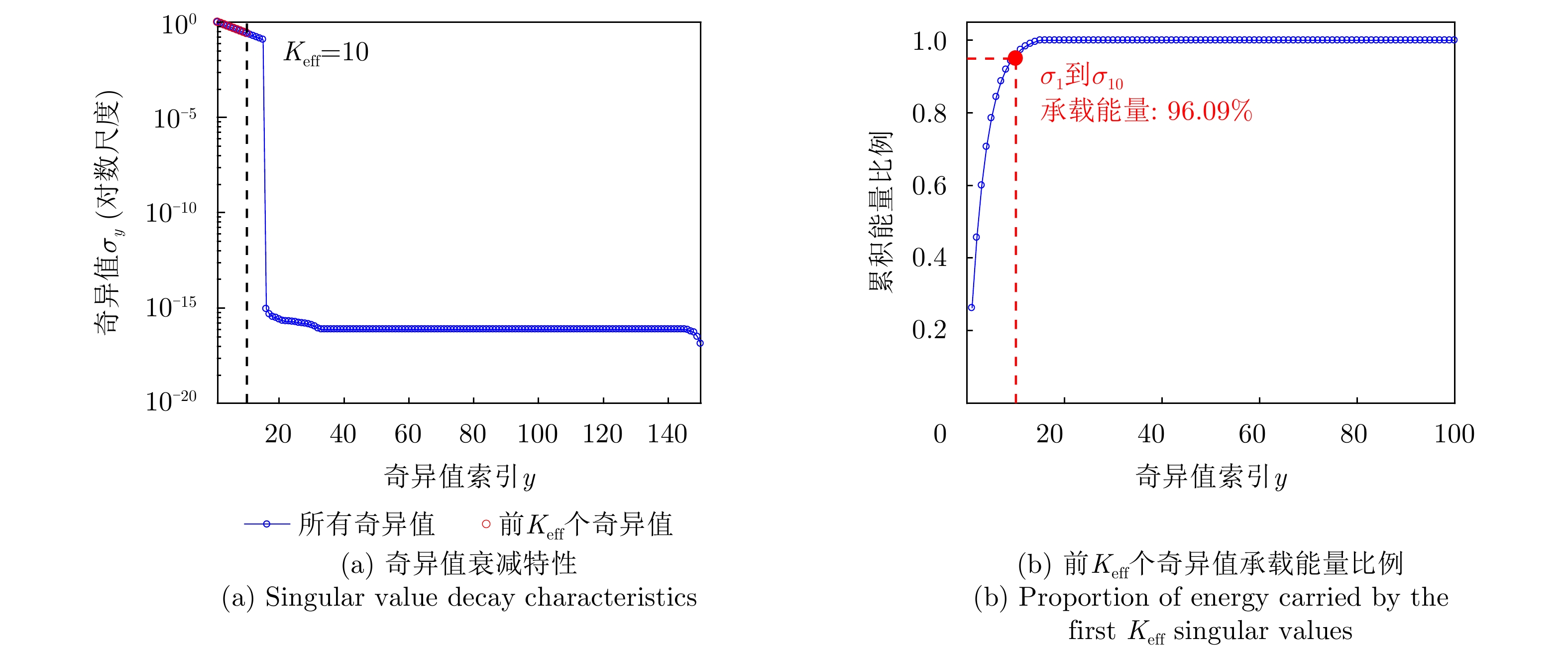
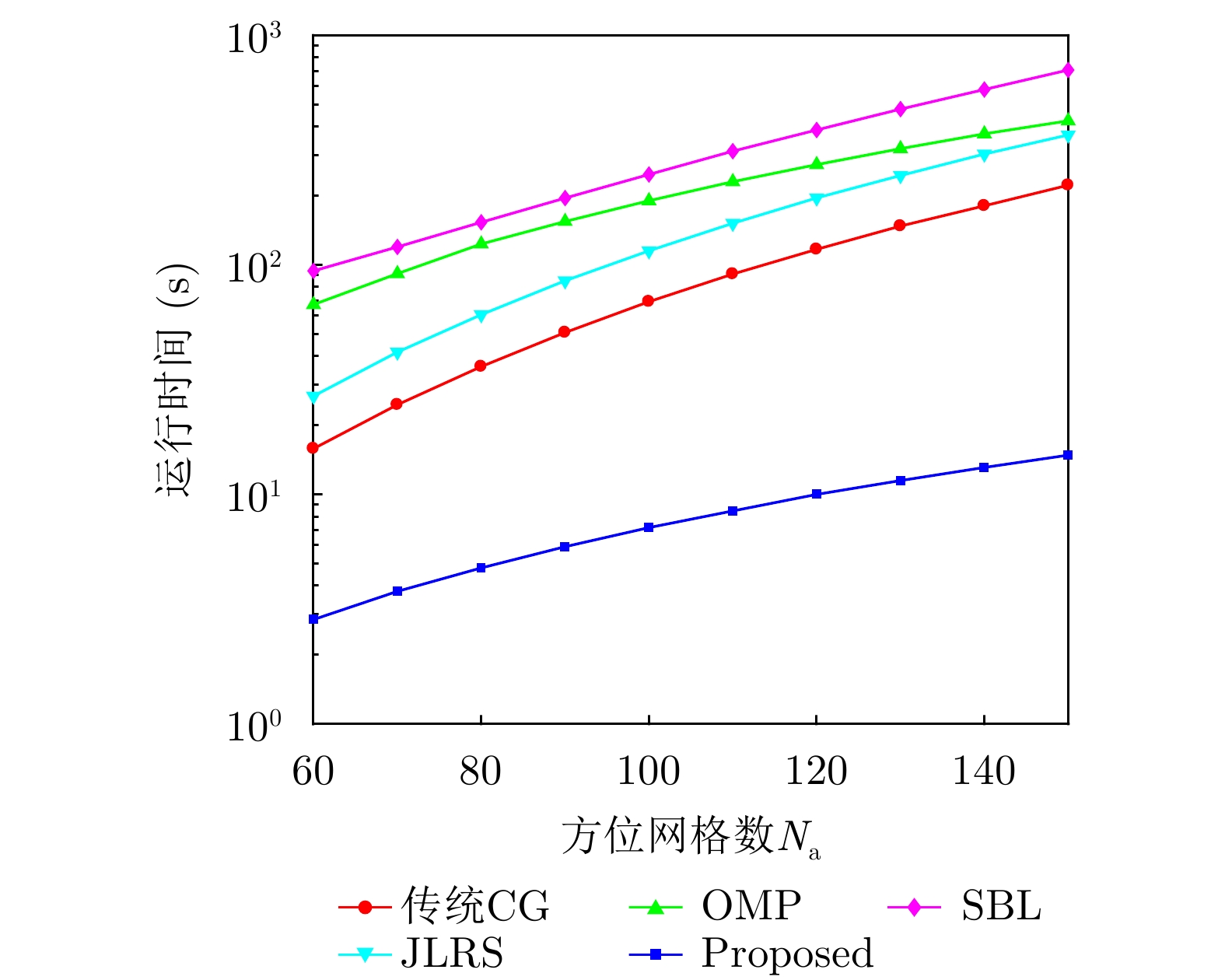
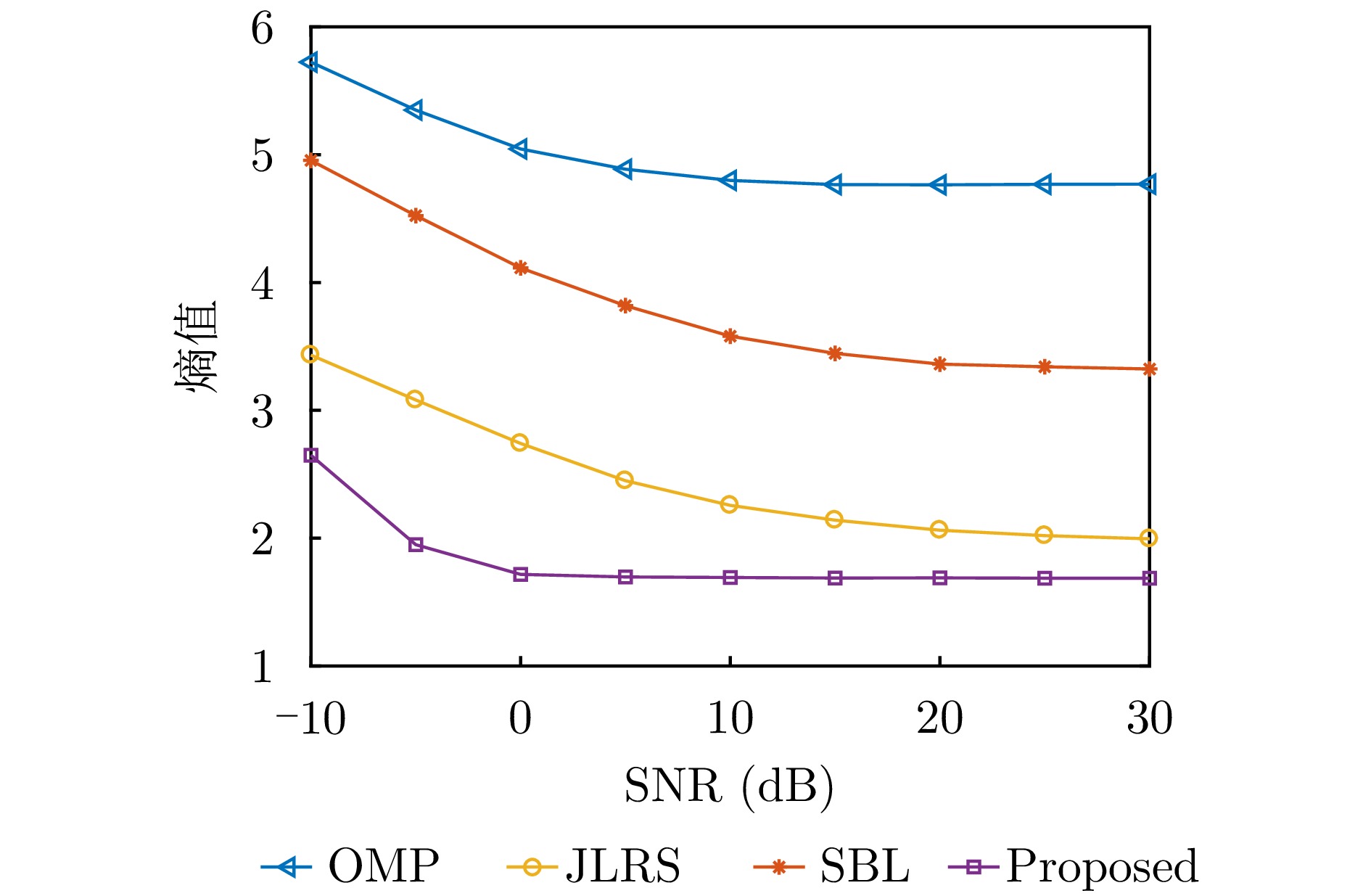
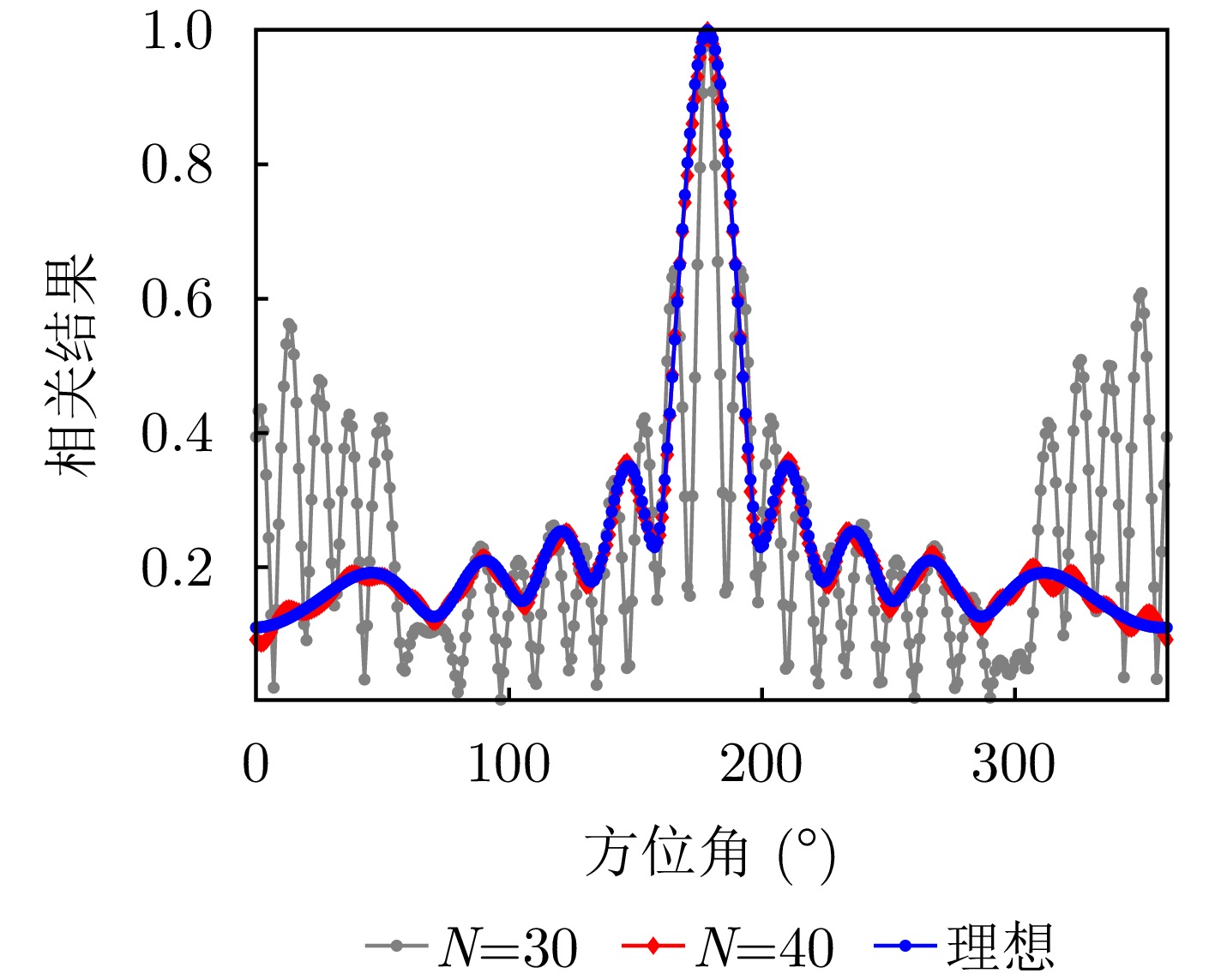
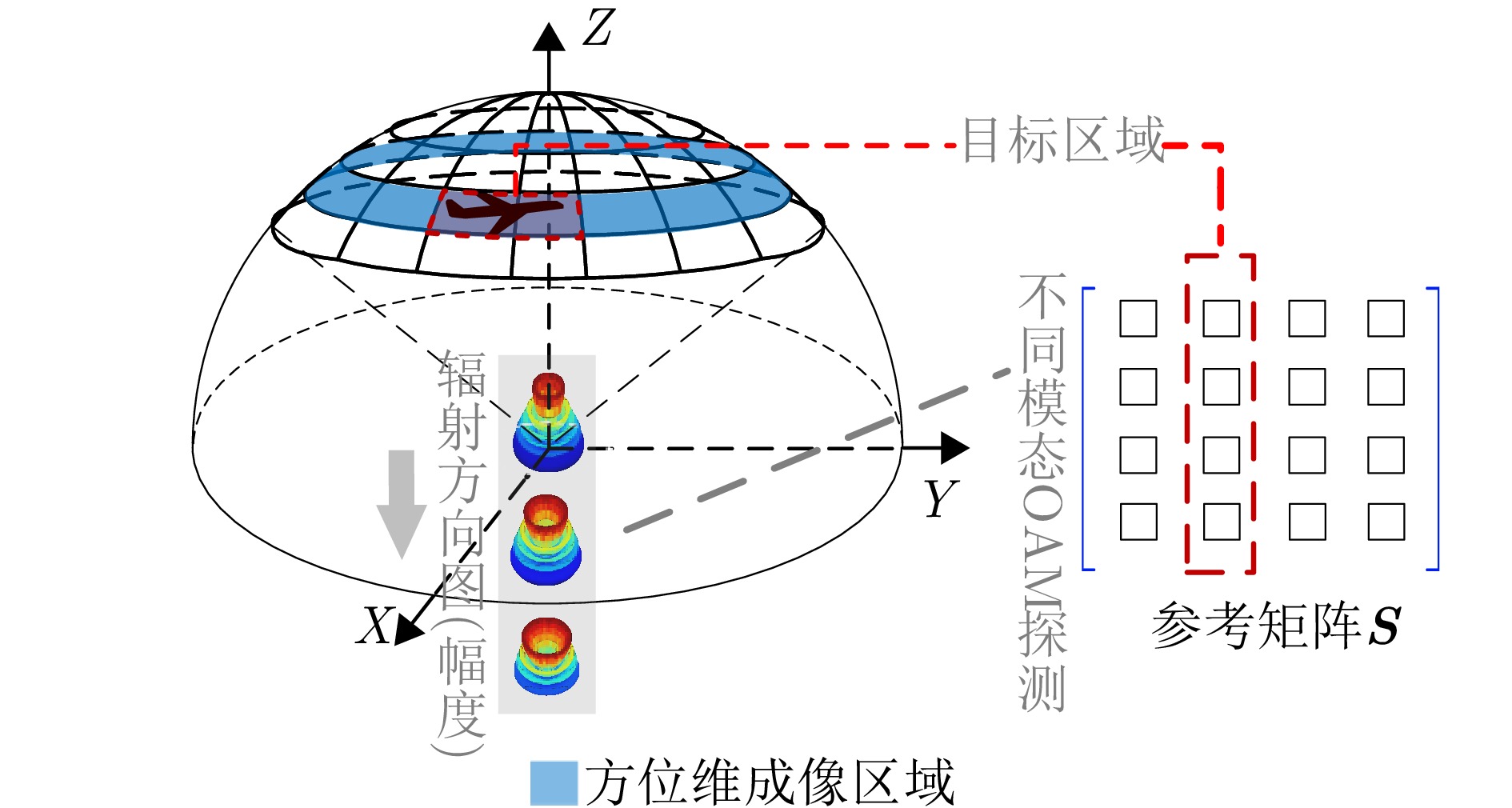
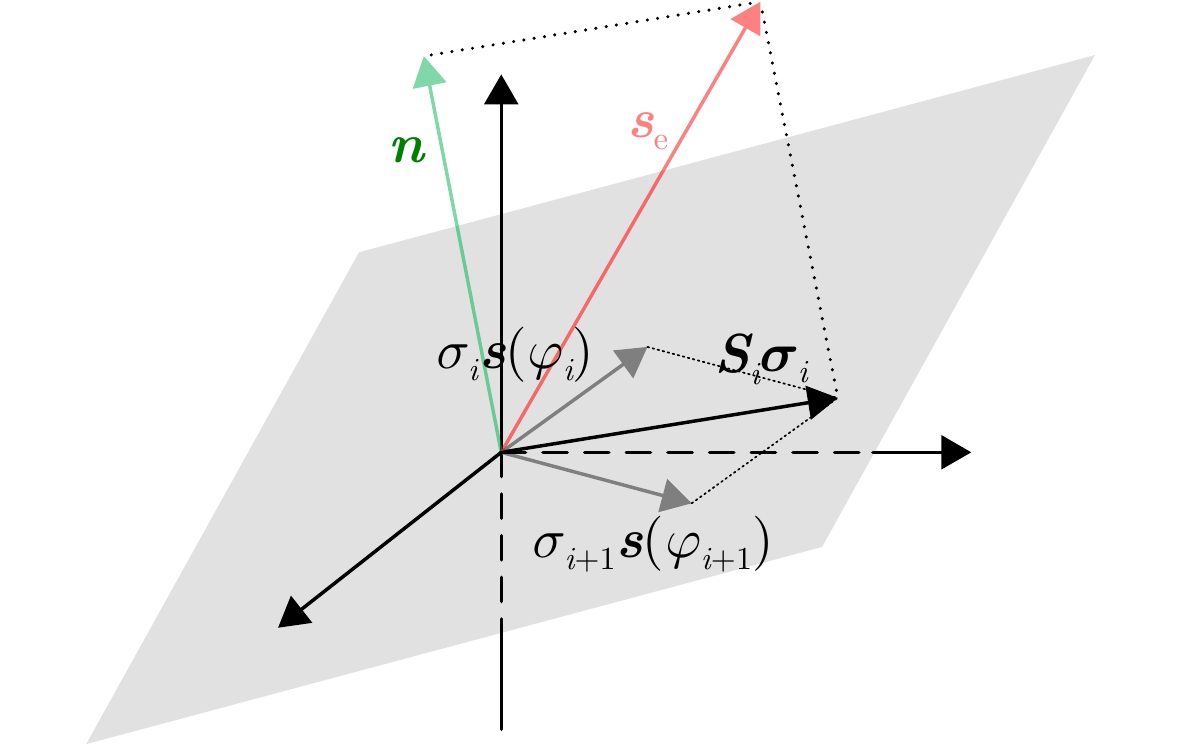
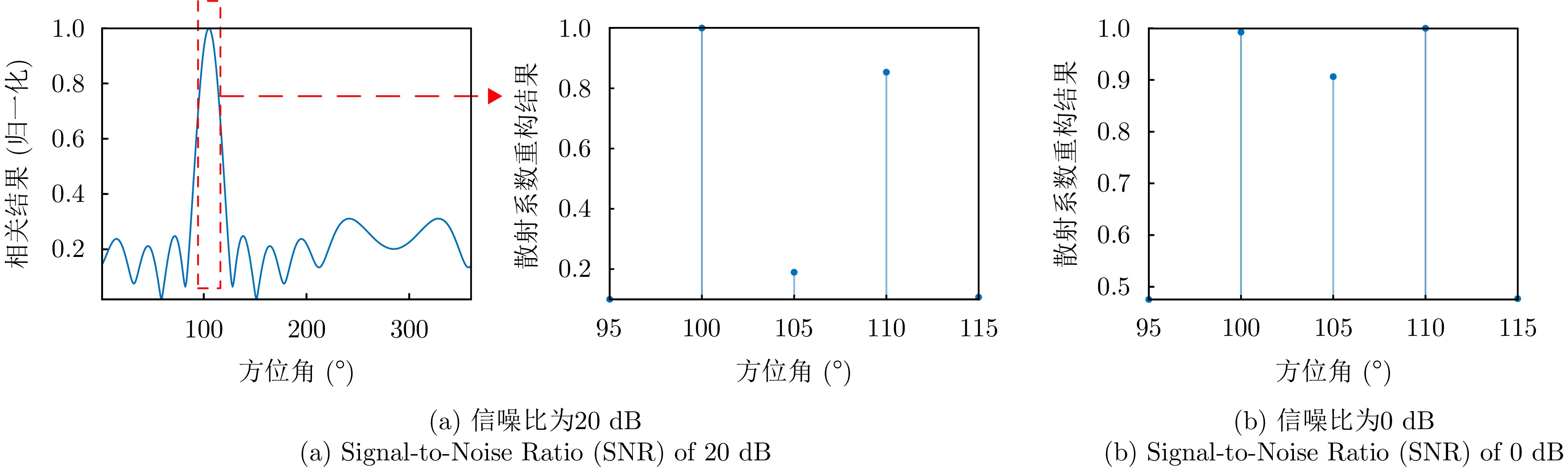
Multimodal orbital angular momentum imaging, which uses sparse recovery models, is a form of computational imaging where target reconstruction can be formulated as a linear inverse problem defined by an imaging equation. However, solving this problem using the least squares method can lead to substantial degradation in reconstruction quality, even with minor noise perturbations. Moreover, because the imaging equation is often underdetermined and has multiple solutions, the least squares method, which prioritizes data fitting accuracy, frequently produces results that deviate considerably from the actual target. Given that solution errors caused by noise are inversely proportional to the singular values of the reference matrix, this study first introduces an array design method that uses nonuniform element placement. This method, when compared to traditional uniform circular array designs, increases the number of array elements, reduces the correlation among the column vectors of the reference matrix, and decreases the number of small singular values. On this basis, a regional focusing least squares algorithm based on subspace projection is proposed. This algorithm first uses a basic correlation method to identify the target region. The echo vector is then projected onto the linear subspace of this target region. This projection transforms the underdetermined imaging equation into an overdetermined one within the focused target region. Concurrently, it effectively reduces noise power by exploiting the low correlation between noise and the target region’s linear subspace. The proposed algorithm’s effectiveness is subsequently validated through simulation experiments.
Multimodal orbital angular momentum imaging, which uses sparse recovery models, is a form of computational imaging where target reconstruction can be formulated as a linear inverse problem defined by an imaging equation. However, solving this problem using the least squares method can lead to substantial degradation in reconstruction quality, even with minor noise perturbations. Moreover, because the imaging equation is often underdetermined and has multiple solutions, the least squares method, which prioritizes data fitting accuracy, frequently produces results that deviate considerably from the actual target. Given that solution errors caused by noise are inversely proportional to the singular values of the reference matrix, this study first introduces an array design method that uses nonuniform element placement. This method, when compared to traditional uniform circular array designs, increases the number of array elements, reduces the correlation among the column vectors of the reference matrix, and decreases the number of small singular values. On this basis, a regional focusing least squares algorithm based on subspace projection is proposed. This algorithm first uses a basic correlation method to identify the target region. The echo vector is then projected onto the linear subspace of this target region. This projection transforms the underdetermined imaging equation into an overdetermined one within the focused target region. Concurrently, it effectively reduces noise power by exploiting the low correlation between noise and the target region’s linear subspace. The proposed algorithm’s effectiveness is subsequently validated through simulation experiments.






2026, 15(5): 1682-1697.
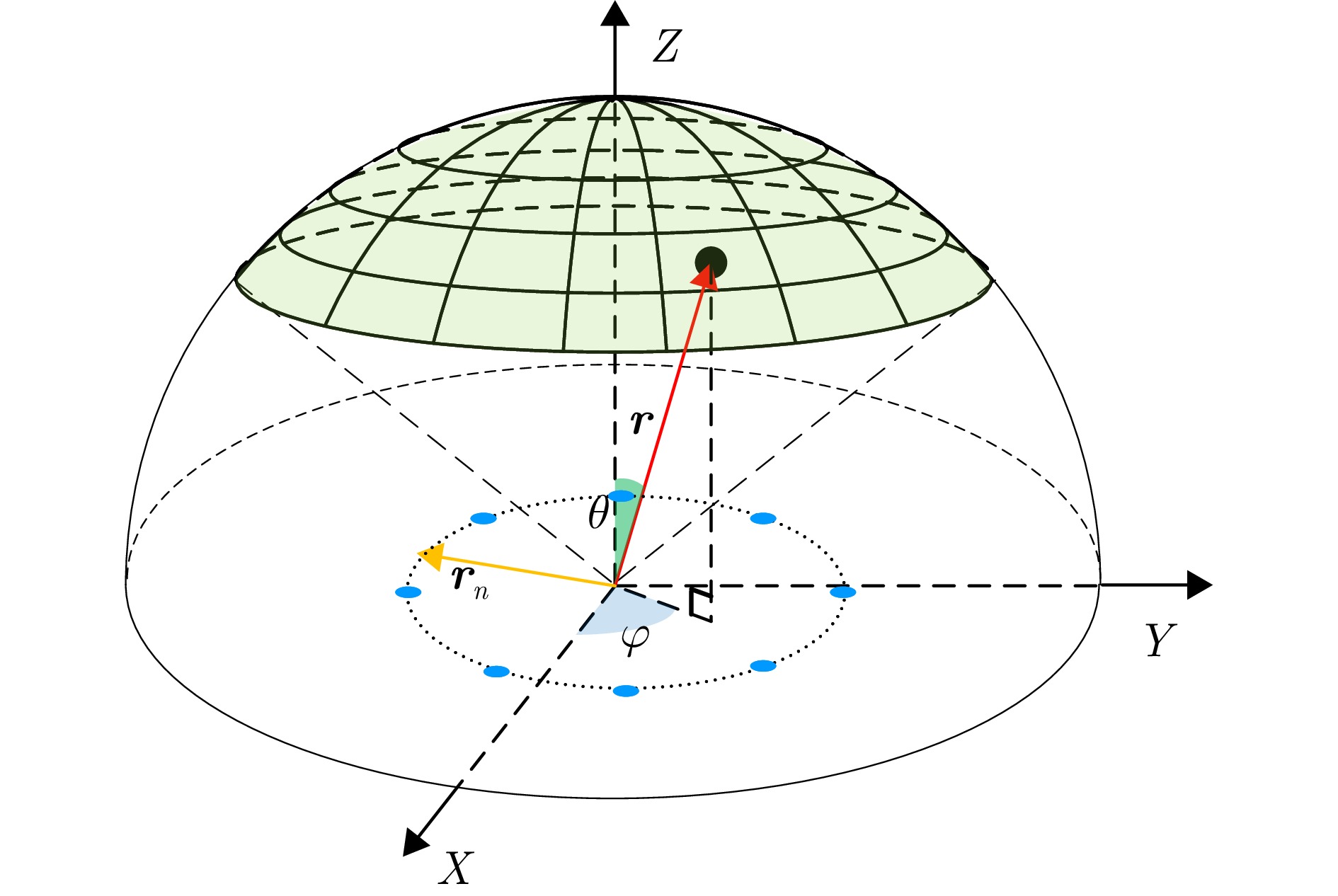
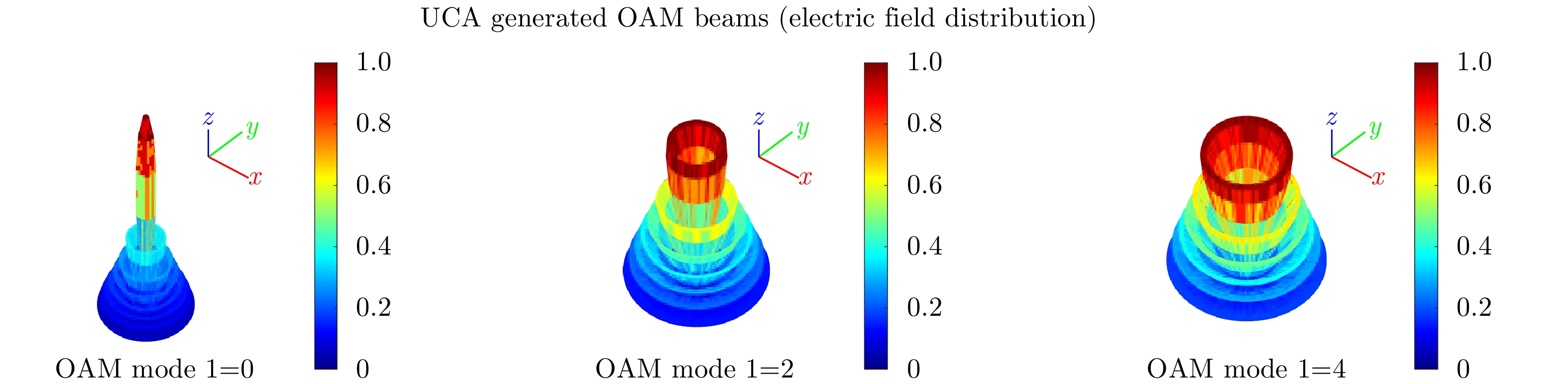
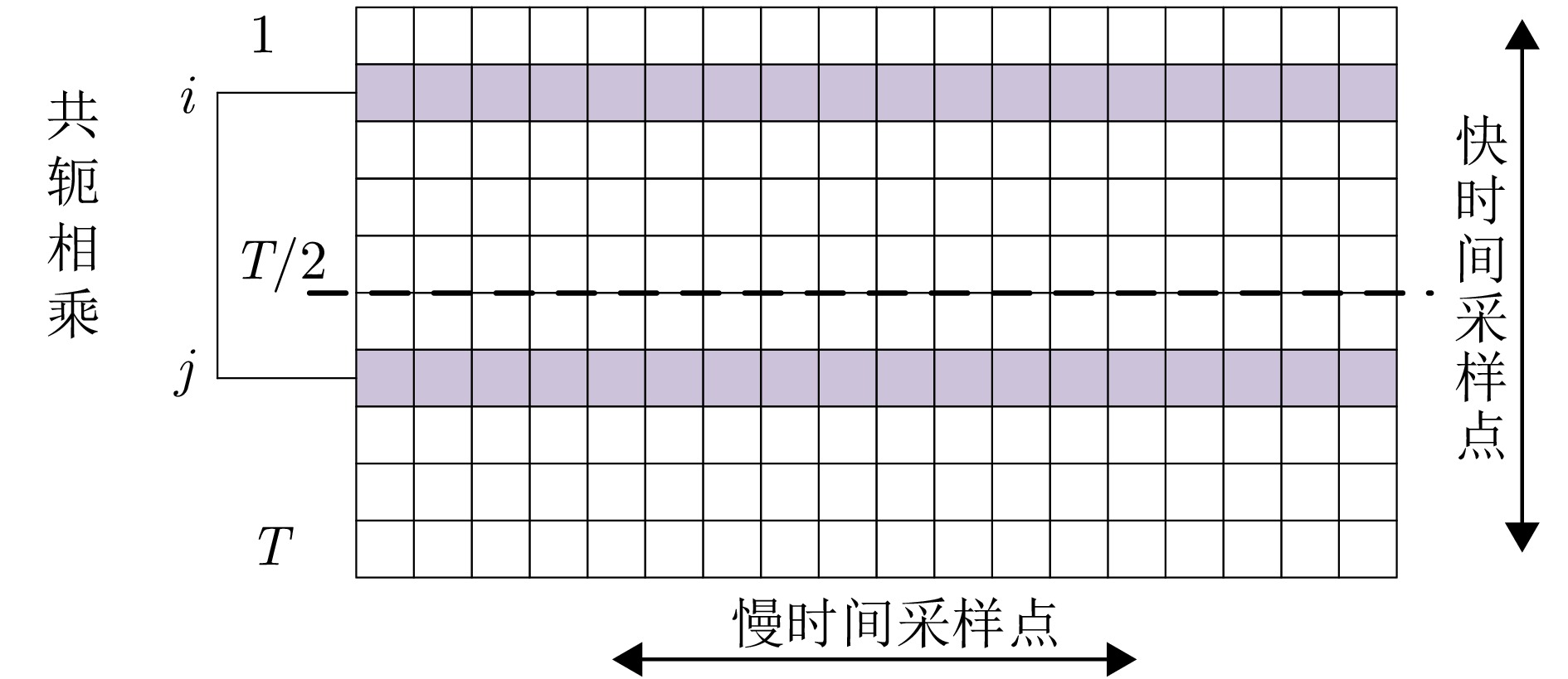
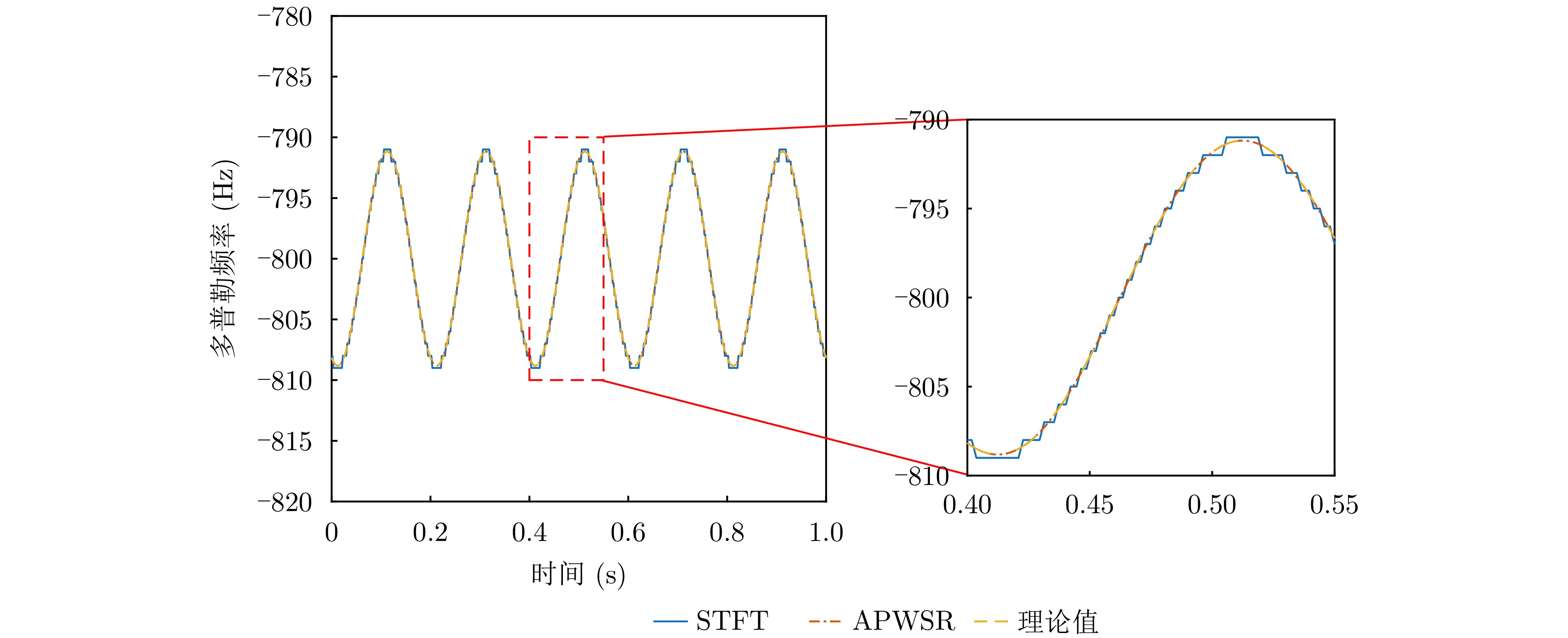
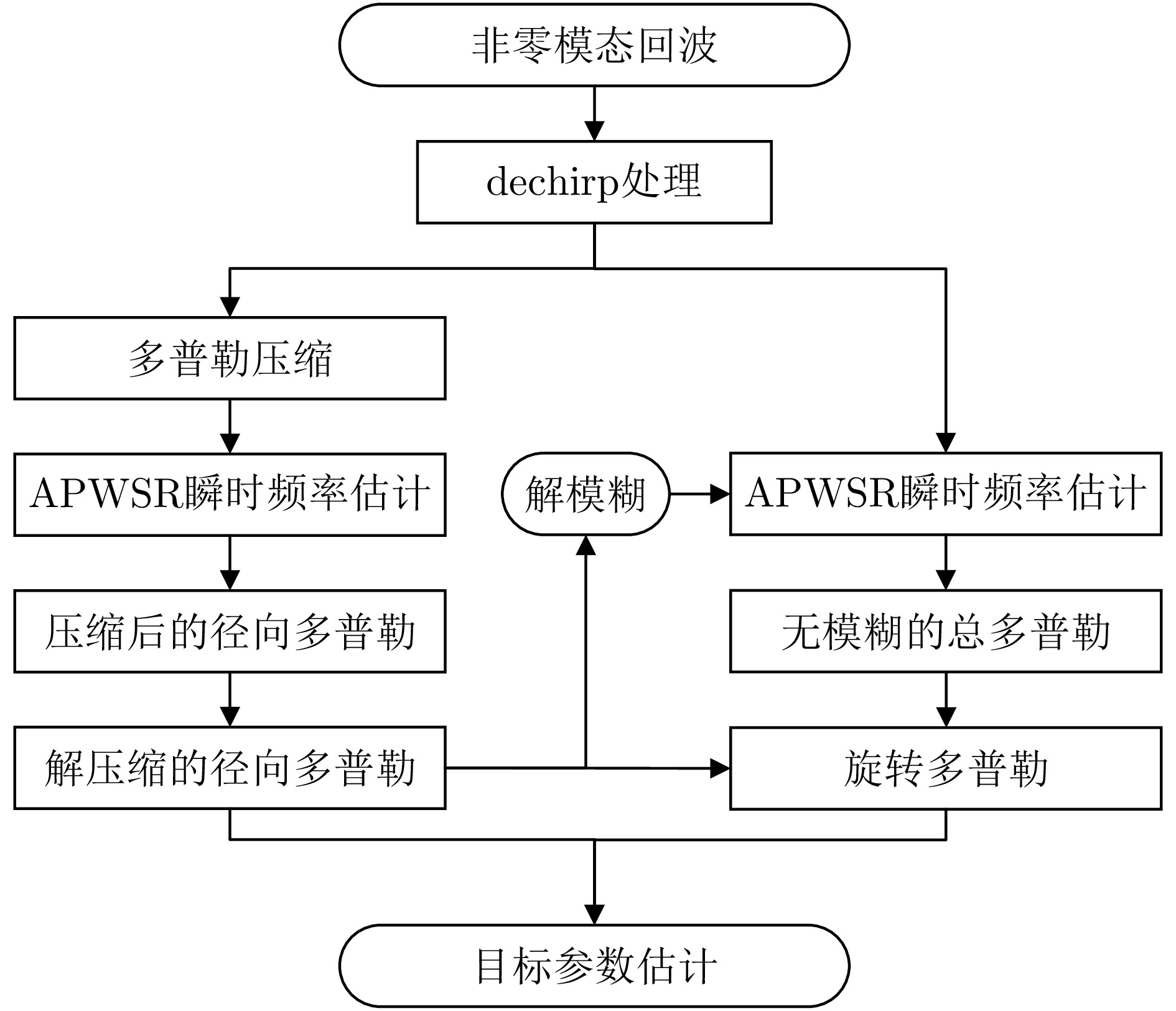
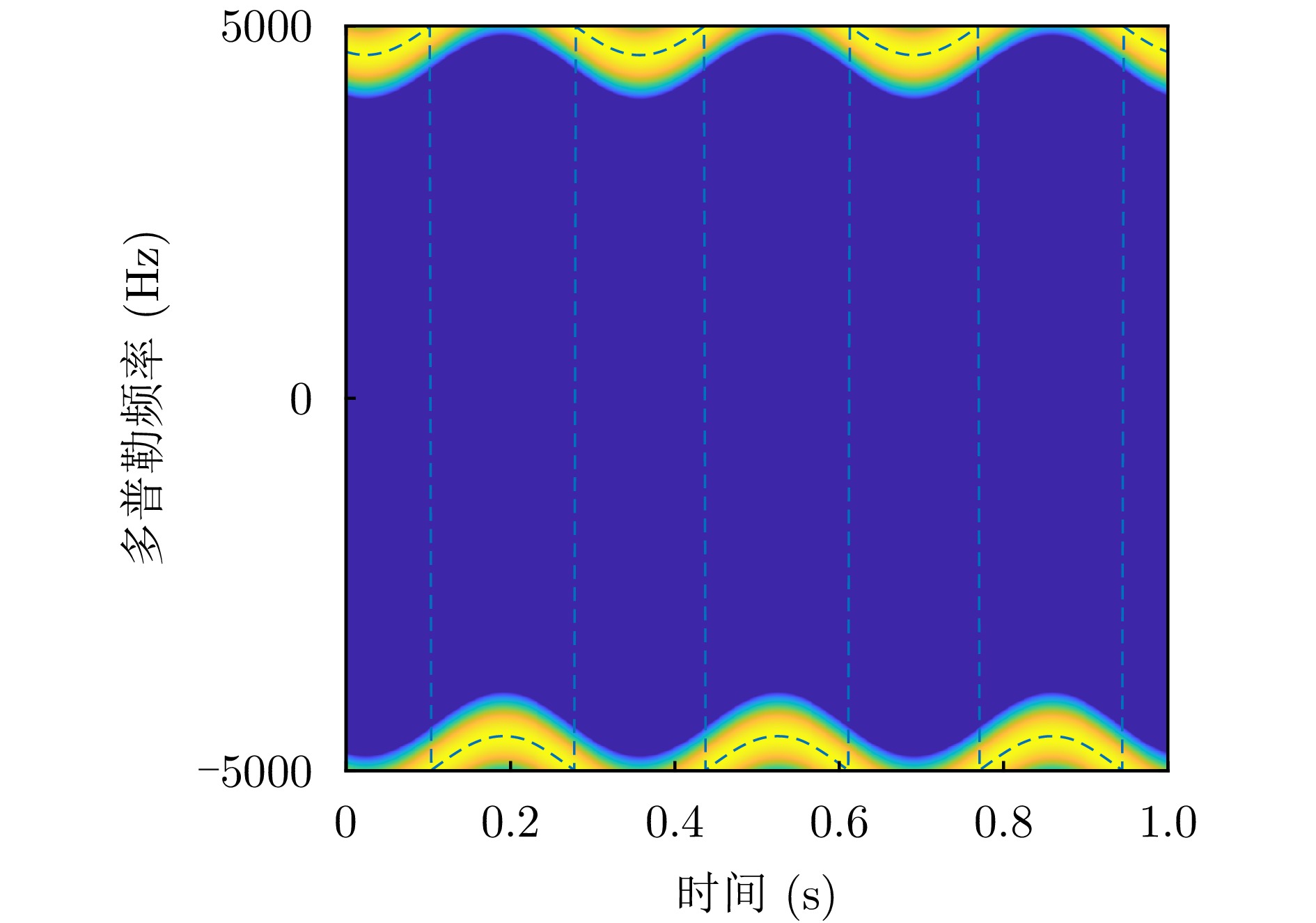
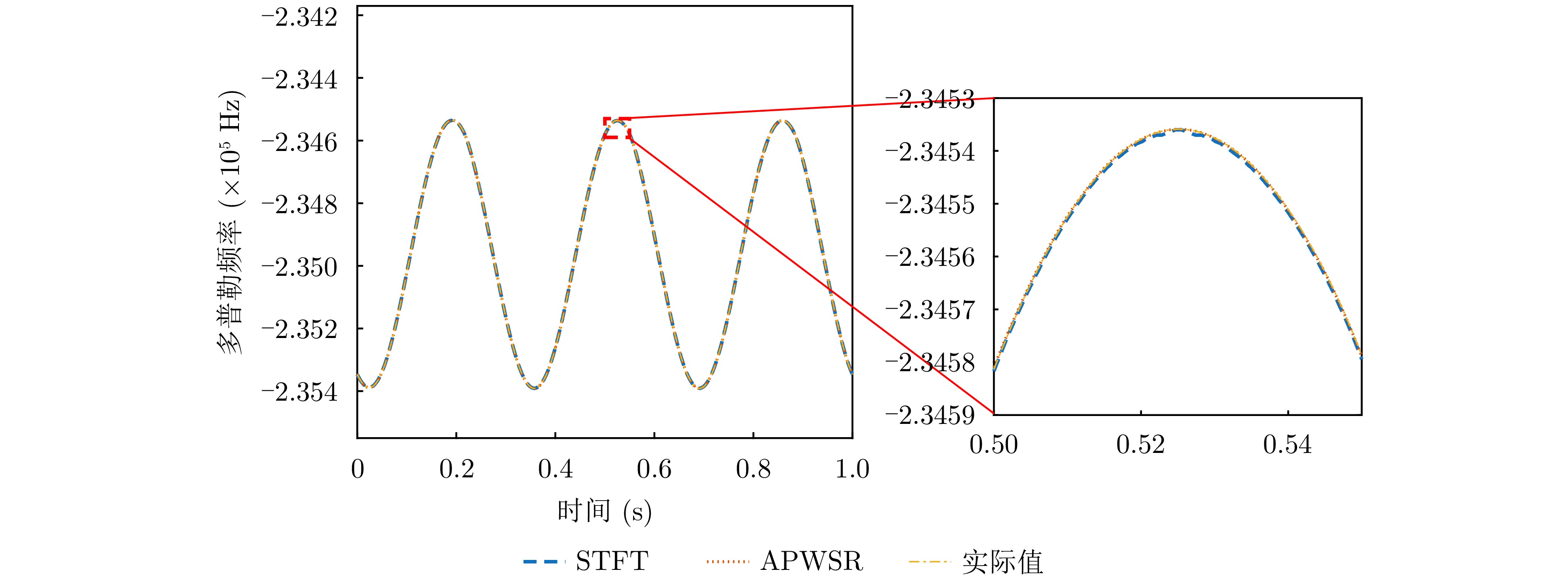
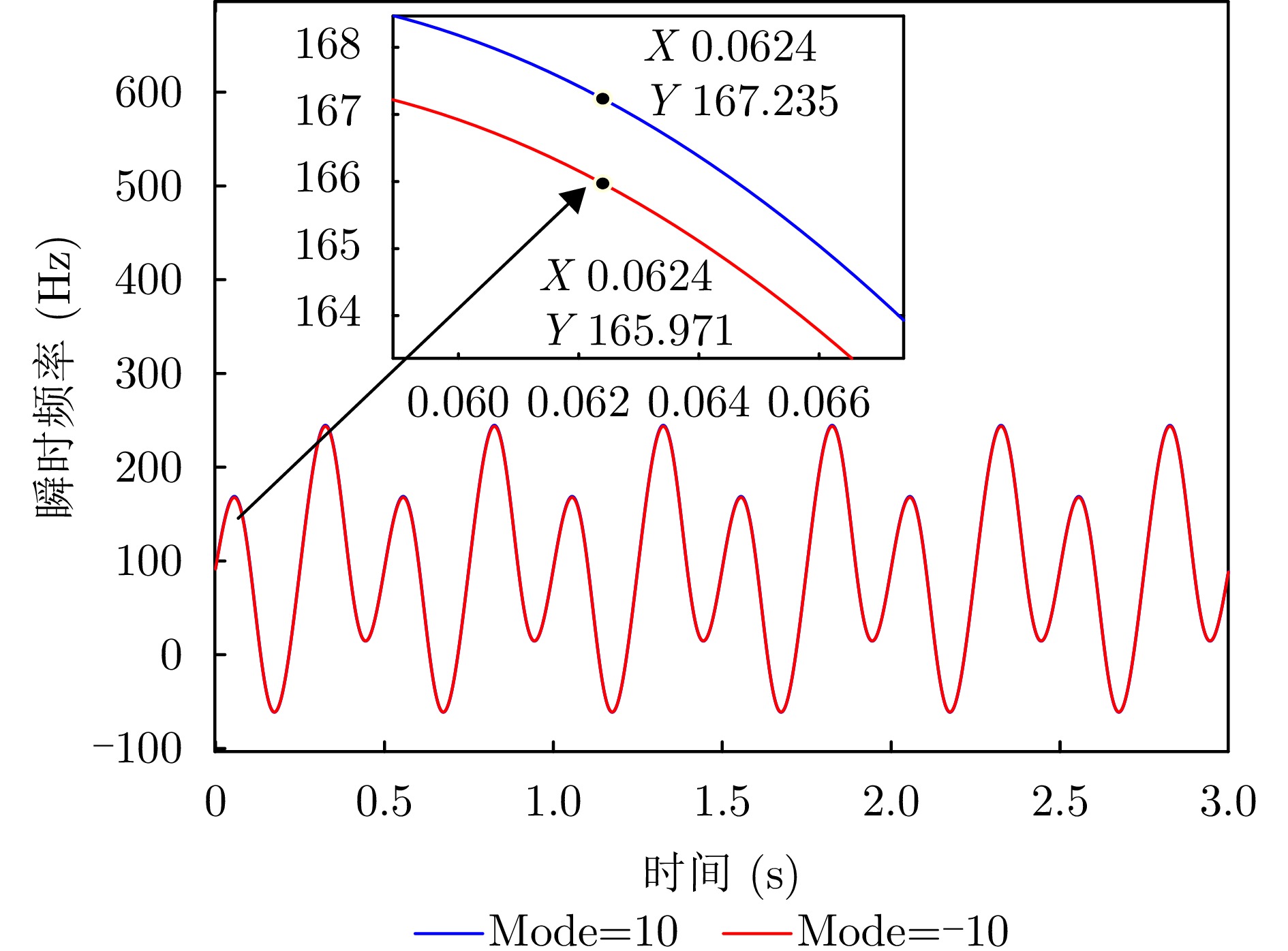
Vortex electromagnetic waves have proven highly effective for moving-target detection due to their distinctive wavefront phase distribution. Accurate estimation of translational and rotational Doppler shifts is essential for high-precision measurement of motion parameters. Existing methods typically rely on transmitting multiple modes of vortex electromagnetic waves, and they often require additional prior information to resolve Doppler ambiguities for high-speed targets, and the separation accuracy of translational and rotational Doppler components is limited. To address these challenges, this work proposes a single mode vortex electromagnetic wave-based Doppler separation method combined with Adaptive Piece-Wise Sparse Representation (APWSR) for high-precision instantaneous frequency estimation. Using the Doppler compression technique, translational and rotational Doppler components can be effectively separated using only a single mode, while APWSR enables high-precision instantaneous frequency estimation. From these results, the translational velocity, rotation radius, rotational frequency, and Euler angles of the target are extracted. Simulations validate the effectiveness and robustness of the proposed method, demonstrating that it outperforms existing dual-mode approaches in Doppler frequency and motion parameter estimation.
Vortex electromagnetic waves have proven highly effective for moving-target detection due to their distinctive wavefront phase distribution. Accurate estimation of translational and rotational Doppler shifts is essential for high-precision measurement of motion parameters. Existing methods typically rely on transmitting multiple modes of vortex electromagnetic waves, and they often require additional prior information to resolve Doppler ambiguities for high-speed targets, and the separation accuracy of translational and rotational Doppler components is limited. To address these challenges, this work proposes a single mode vortex electromagnetic wave-based Doppler separation method combined with Adaptive Piece-Wise Sparse Representation (APWSR) for high-precision instantaneous frequency estimation. Using the Doppler compression technique, translational and rotational Doppler components can be effectively separated using only a single mode, while APWSR enables high-precision instantaneous frequency estimation. From these results, the translational velocity, rotation radius, rotational frequency, and Euler angles of the target are extracted. Simulations validate the effectiveness and robustness of the proposed method, demonstrating that it outperforms existing dual-mode approaches in Doppler frequency and motion parameter estimation.





2026, 15(5): 1698-1713.
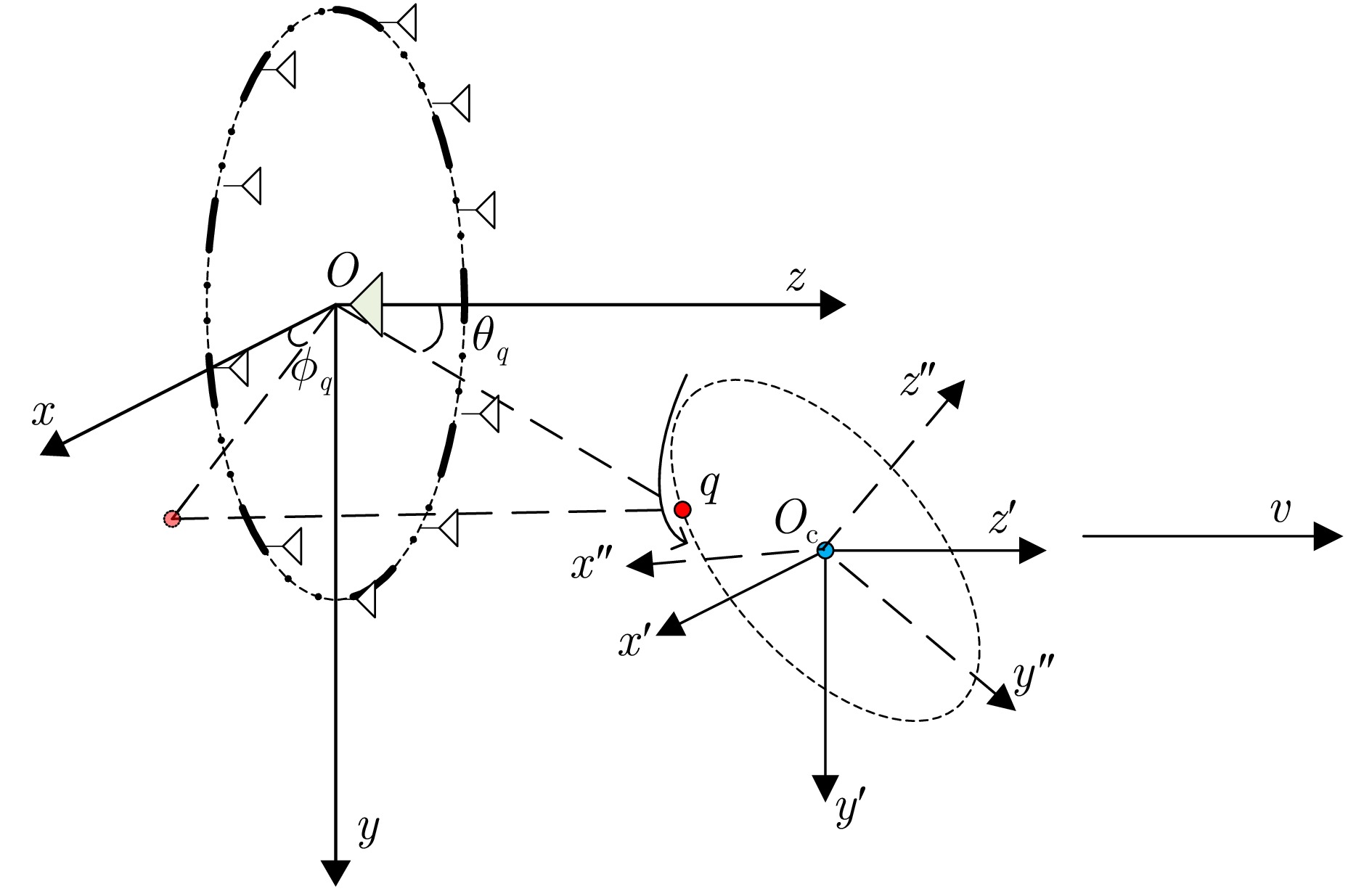
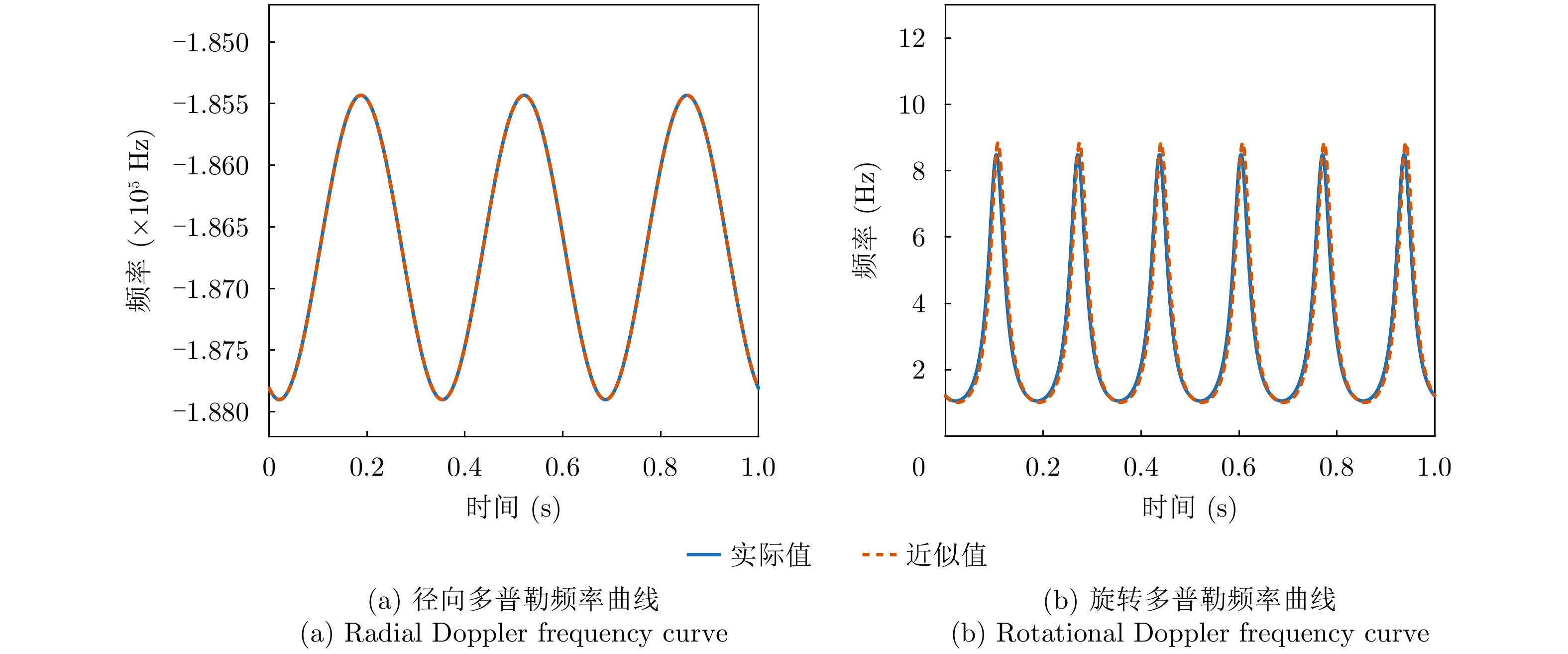
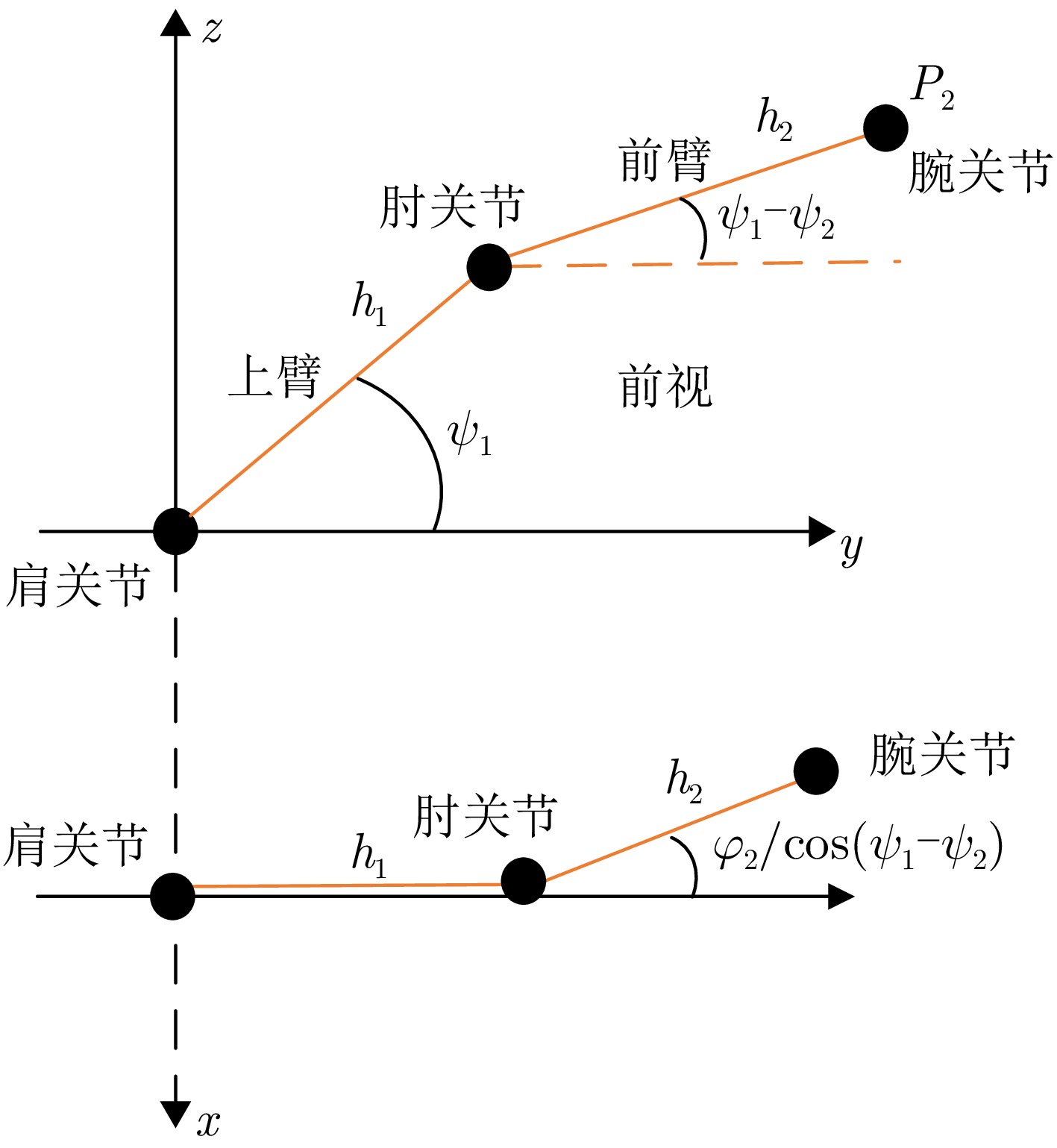
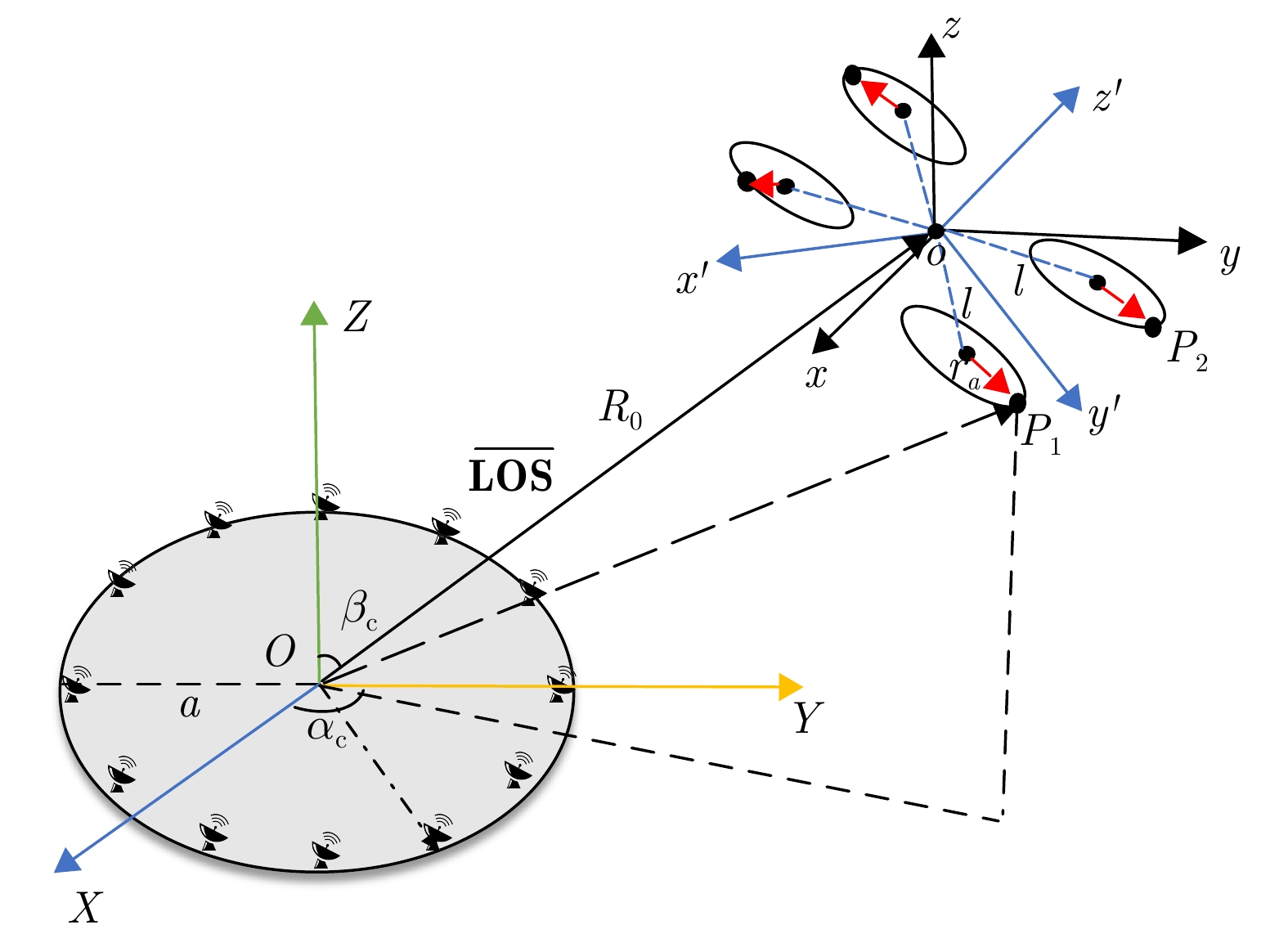
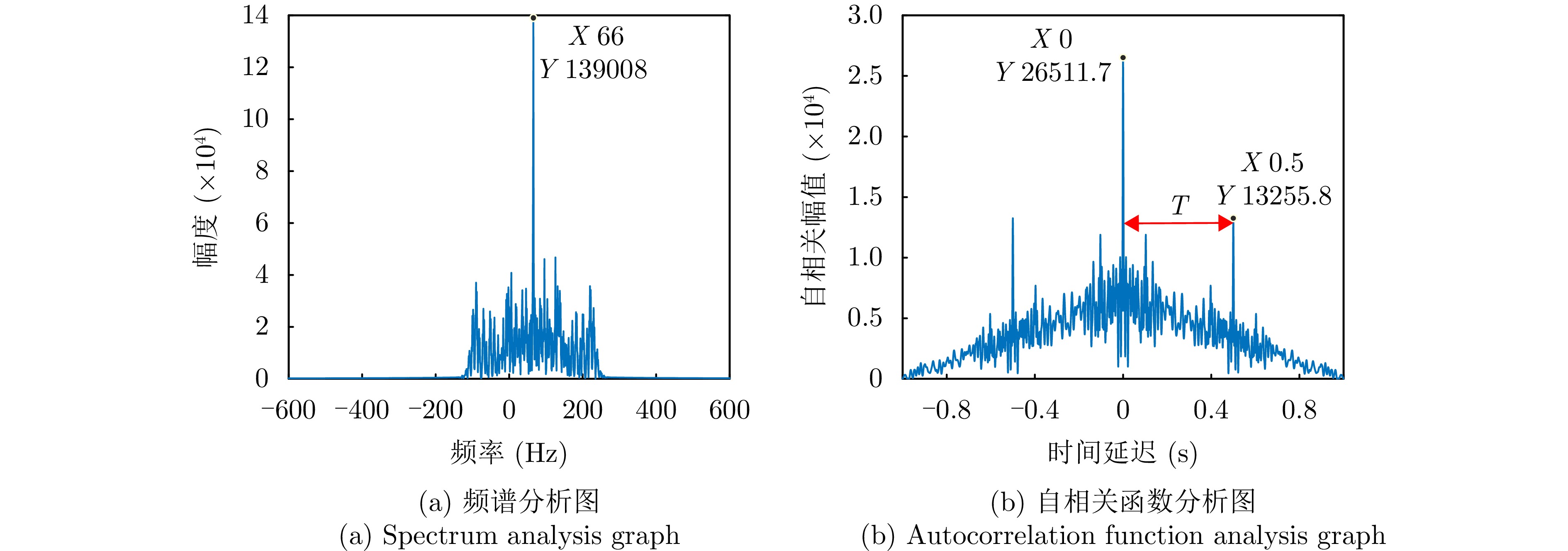
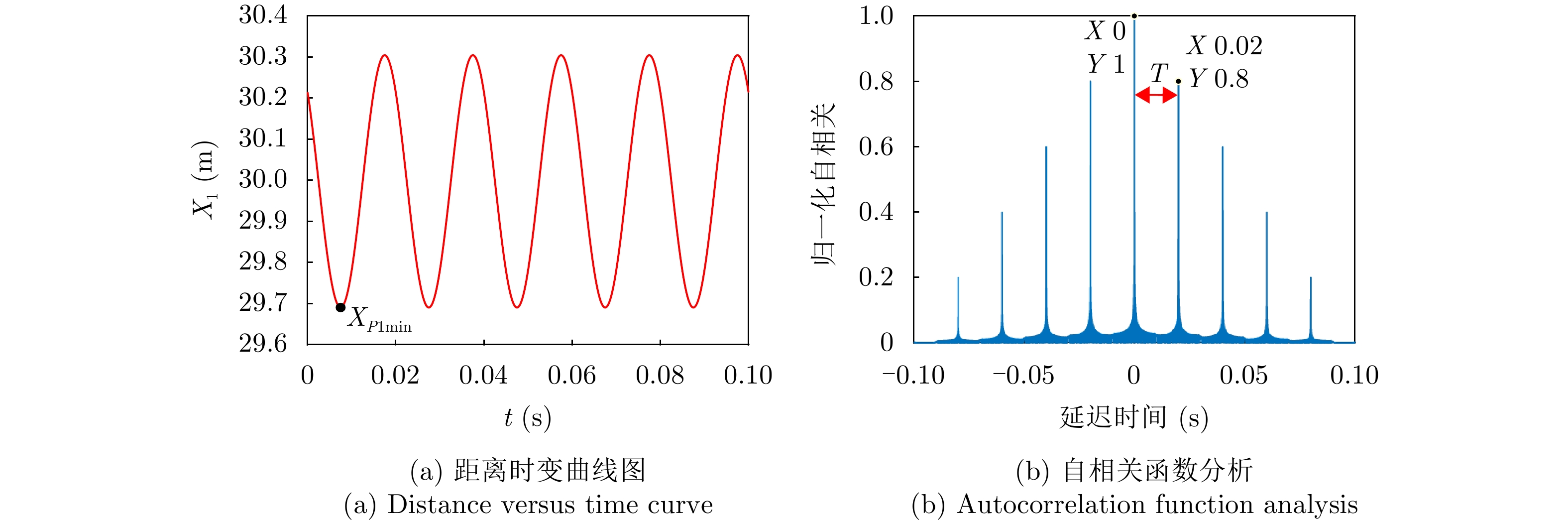
To address the urgent need to identify birds and rotary-wing Unmanned Aerial Vehicles (UAVs), this paper proposes a vortex radar-based method for extracting micromotion parameters of targets. The study focused on target parameter acquisition and systematically extended target modeling and parameter extraction strategies. First, mathematical models were developed for the body motion and wing flapping behavior of birds as well as for the rotor movement characteristics and body structure of rotary-wing UAVs. Further, analytical expressions for the radial and rotational Doppler frequency shifts at scattering points were derived, and micro-Doppler features were extracted from radar echo signals to enable target parameter inversion. For bird targets, the radial Doppler frequency was estimated by extracting the spectral peak of the echo signal to obtain the flight velocity. In addition, by combining the rotational Doppler frequency shifts of the scattering points and analyzing the variations of the rotational Doppler frequency using the Short-Time Fourier Transform (STFT), the wing-flapping length was estimated. Even under low Signal-to-Noise Ratio (SNR) conditions, the estimation error of the wing-flapping length remained within 0.03 m. For rotary-wing UAV targets, an echo signal model was first constructed, and the analytical relationship between the radial and rotational components of the micro-Doppler frequency shift was derived. Using the reconstructed Doppler information and through range-time domain analysis, six structural and motion parameters were retrieved, including the Euler angles, rotor rotational speed, rotor length, and the distance between the UAV body and rotor. The estimation errors for all parameters were significantly lower than those obtained with conventional approaches based on individual Doppler features, with all parameters remaining within 2%. Simulation results demonstrated that the proposed vortex radar-based parameter extraction method enables accurate multiparameter estimation for birds and rotary-wing UAVs. The method also exhibits stable and reliable performance under low SNR conditions, confirming its effectiveness and applicability in practical engineering scenarios.
To address the urgent need to identify birds and rotary-wing Unmanned Aerial Vehicles (UAVs), this paper proposes a vortex radar-based method for extracting micromotion parameters of targets. The study focused on target parameter acquisition and systematically extended target modeling and parameter extraction strategies. First, mathematical models were developed for the body motion and wing flapping behavior of birds as well as for the rotor movement characteristics and body structure of rotary-wing UAVs. Further, analytical expressions for the radial and rotational Doppler frequency shifts at scattering points were derived, and micro-Doppler features were extracted from radar echo signals to enable target parameter inversion. For bird targets, the radial Doppler frequency was estimated by extracting the spectral peak of the echo signal to obtain the flight velocity. In addition, by combining the rotational Doppler frequency shifts of the scattering points and analyzing the variations of the rotational Doppler frequency using the Short-Time Fourier Transform (STFT), the wing-flapping length was estimated. Even under low Signal-to-Noise Ratio (SNR) conditions, the estimation error of the wing-flapping length remained within 0.03 m. For rotary-wing UAV targets, an echo signal model was first constructed, and the analytical relationship between the radial and rotational components of the micro-Doppler frequency shift was derived. Using the reconstructed Doppler information and through range-time domain analysis, six structural and motion parameters were retrieved, including the Euler angles, rotor rotational speed, rotor length, and the distance between the UAV body and rotor. The estimation errors for all parameters were significantly lower than those obtained with conventional approaches based on individual Doppler features, with all parameters remaining within 2%. Simulation results demonstrated that the proposed vortex radar-based parameter extraction method enables accurate multiparameter estimation for birds and rotary-wing UAVs. The method also exhibits stable and reliable performance under low SNR conditions, confirming its effectiveness and applicability in practical engineering scenarios.




2026, 15(5): 1714-1732.
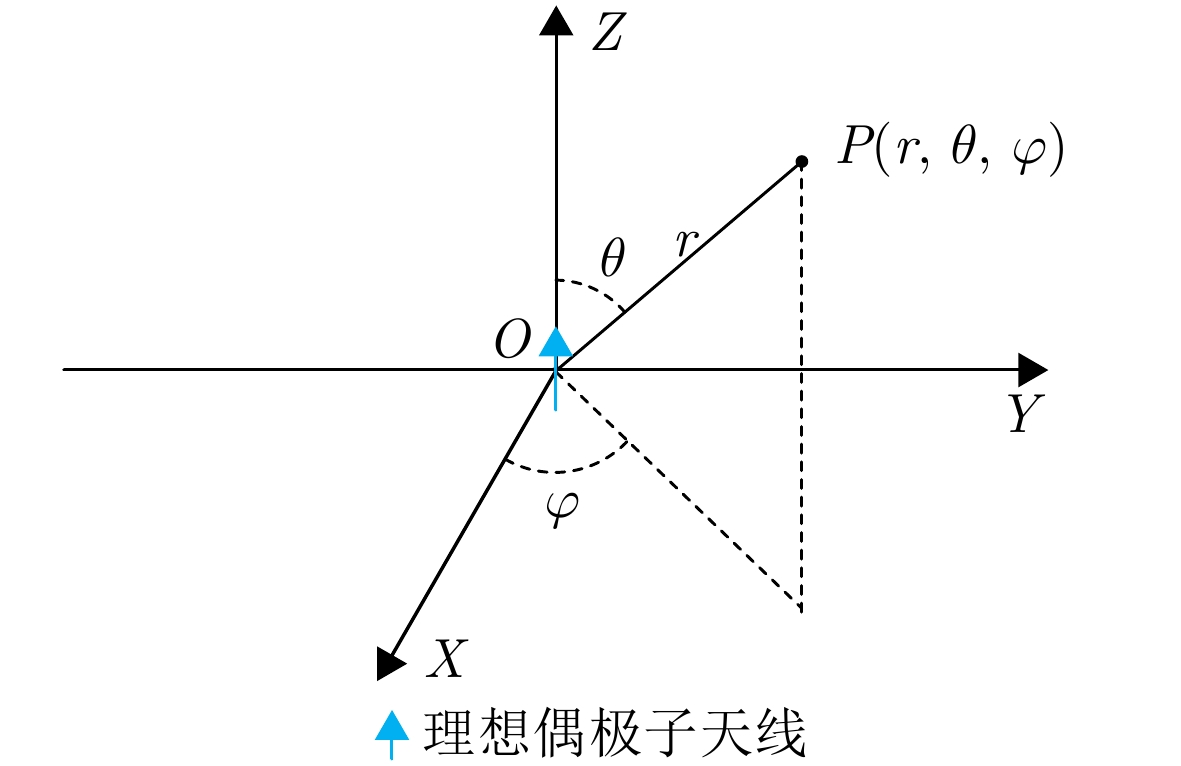
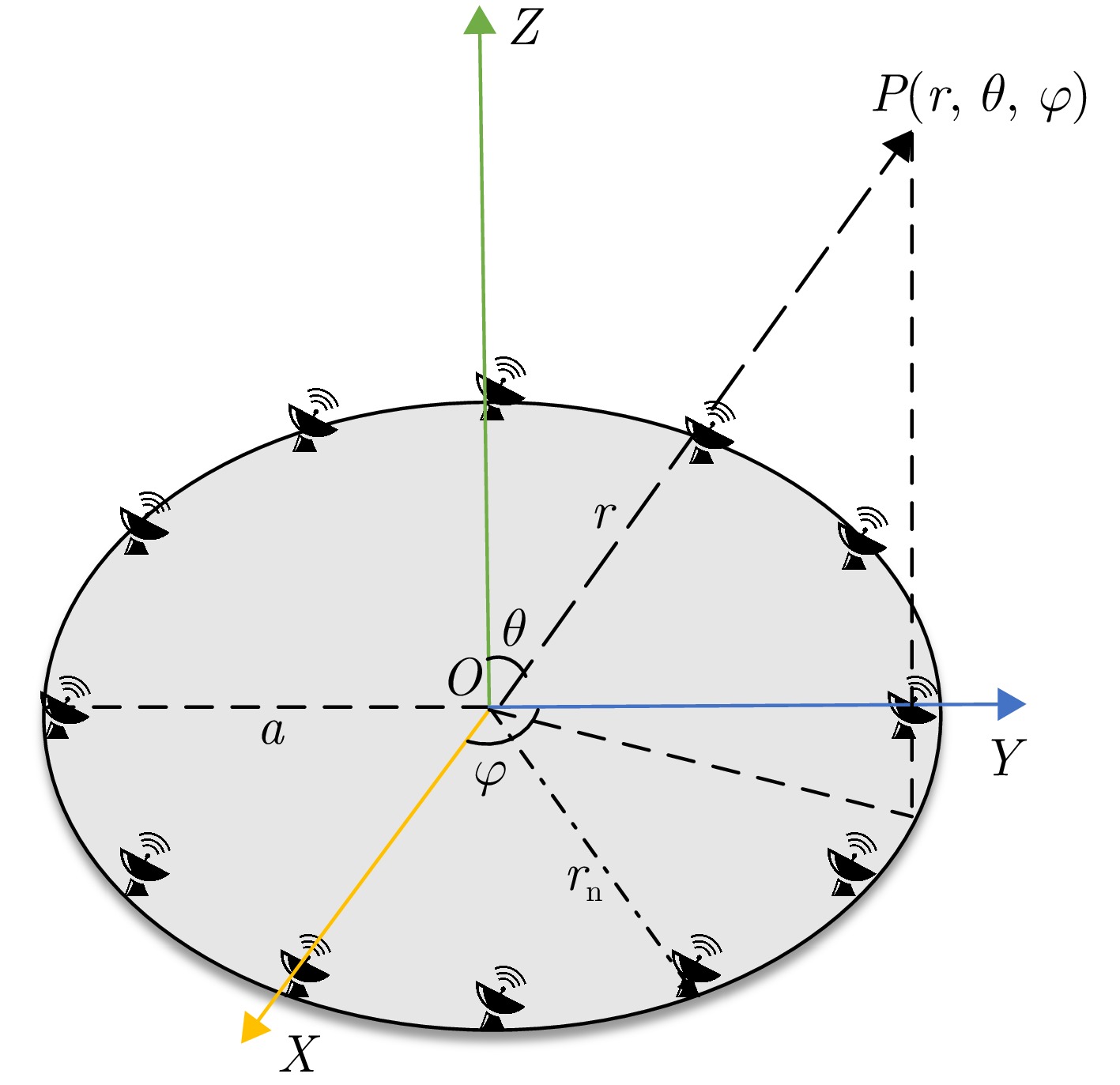
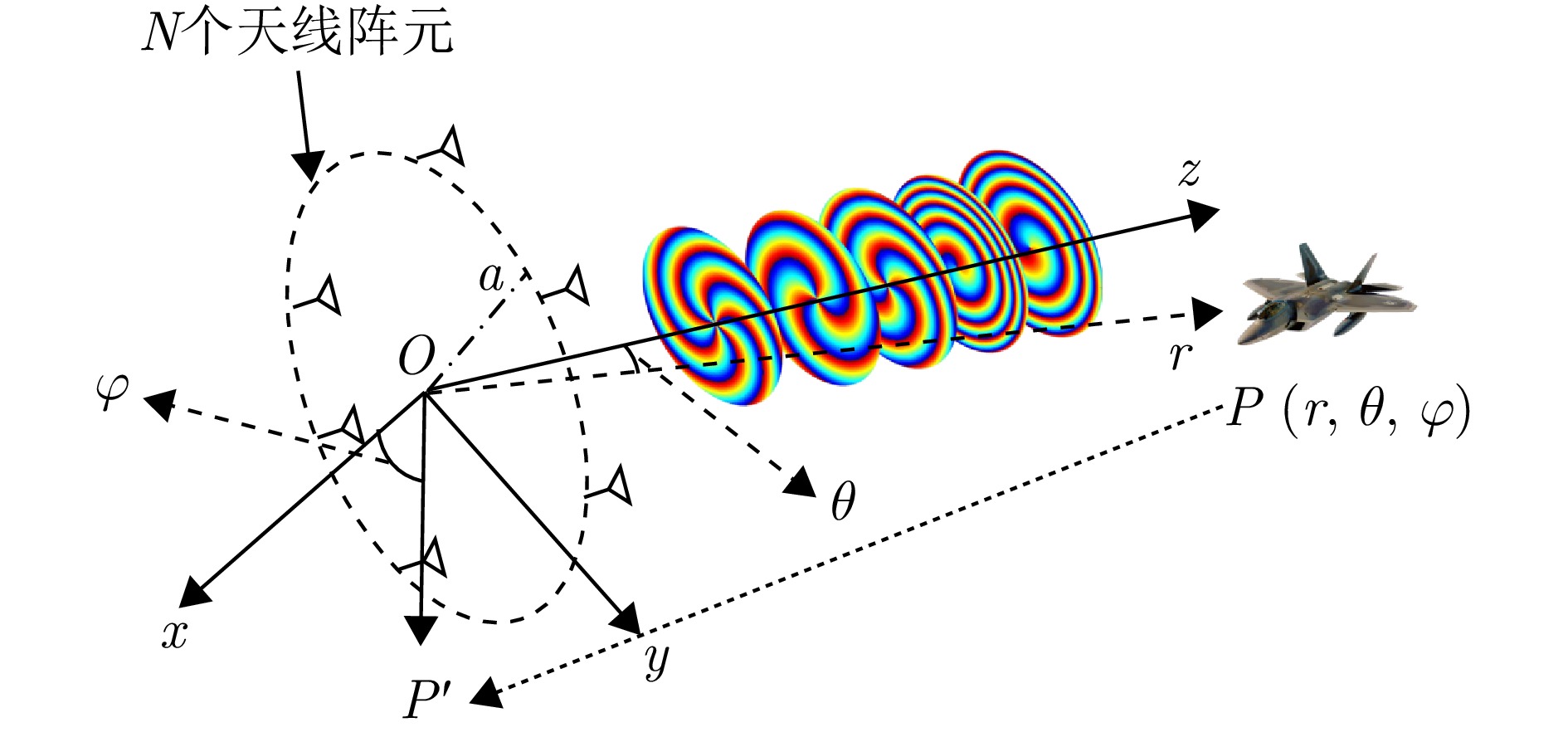
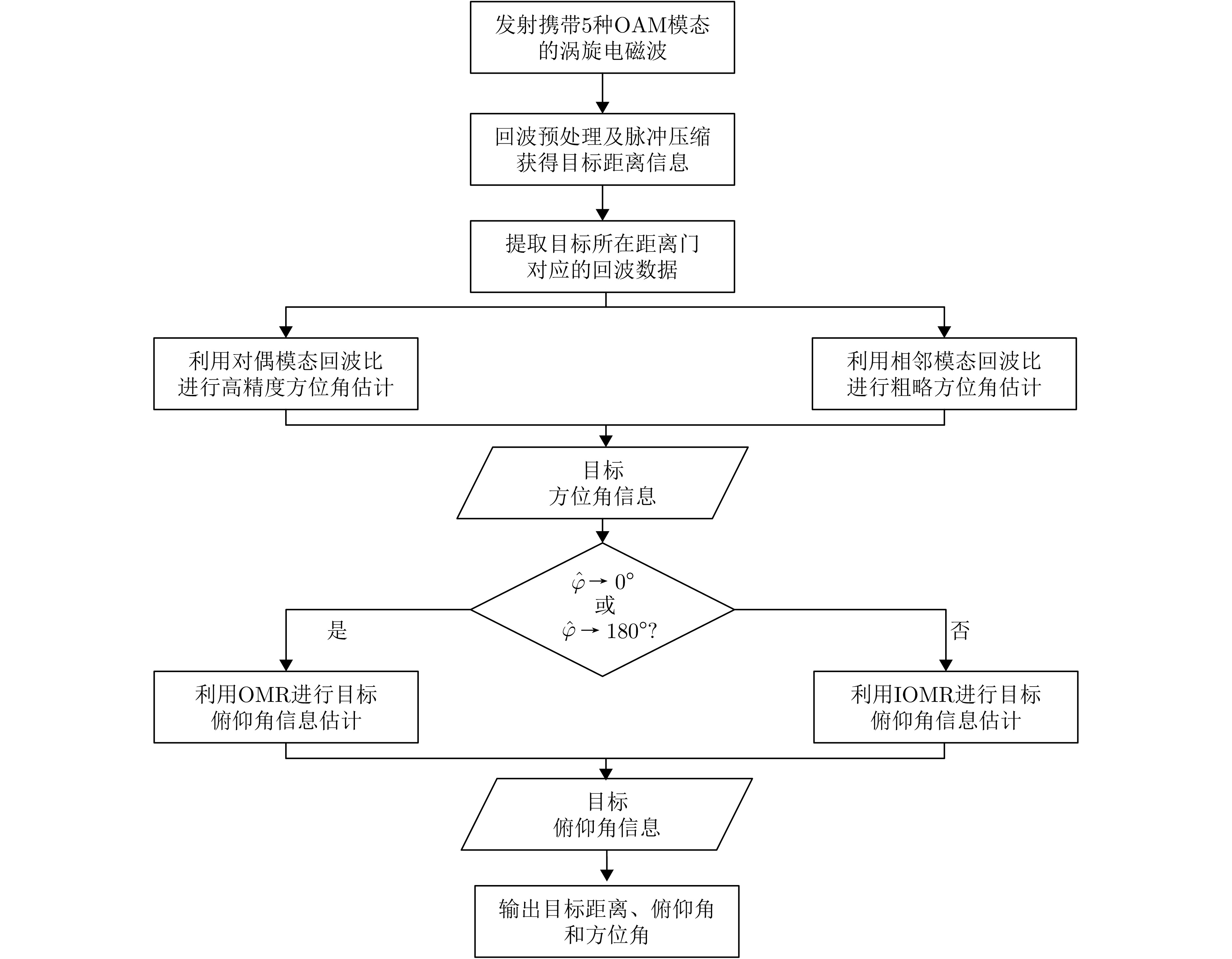
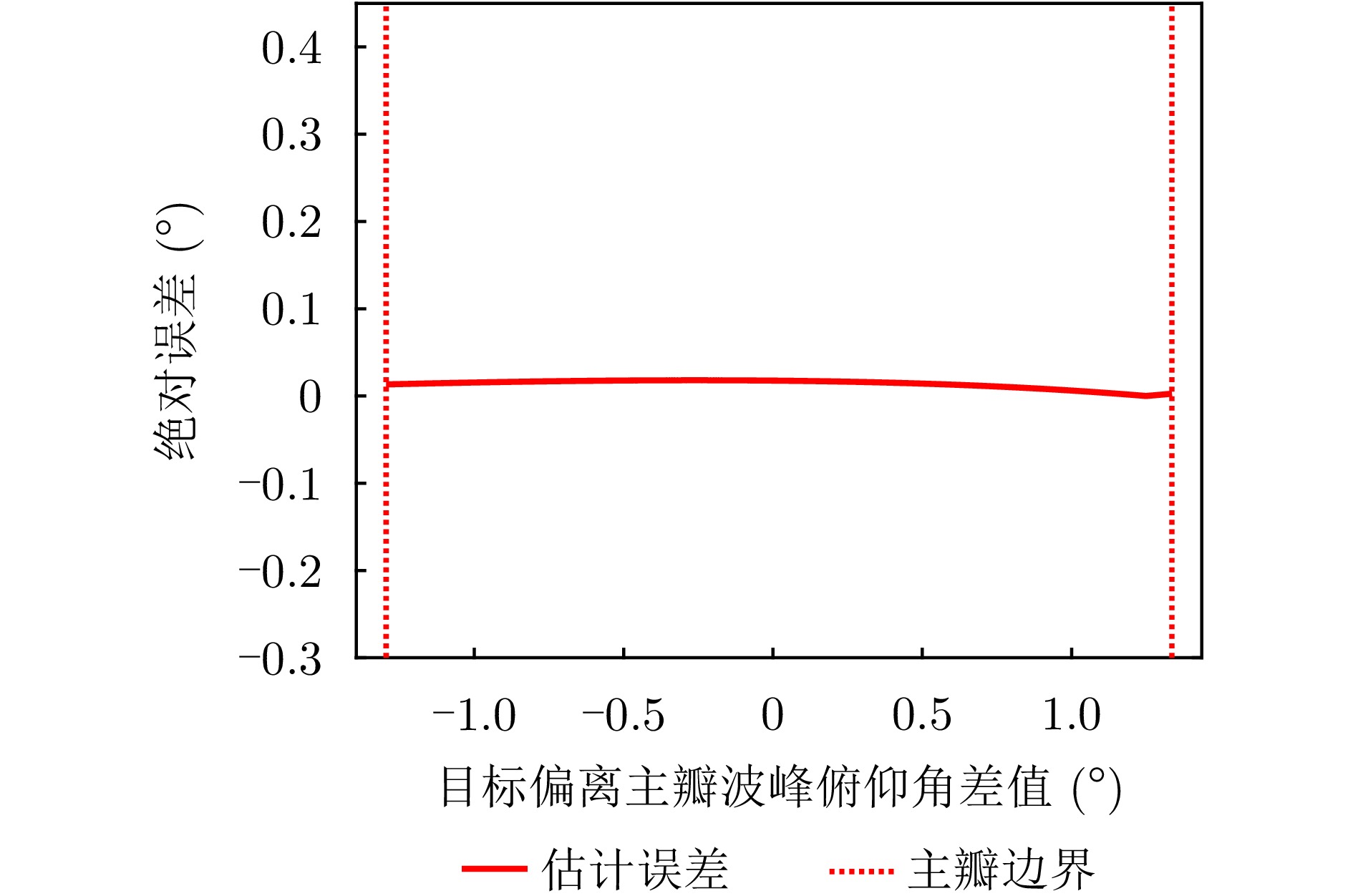
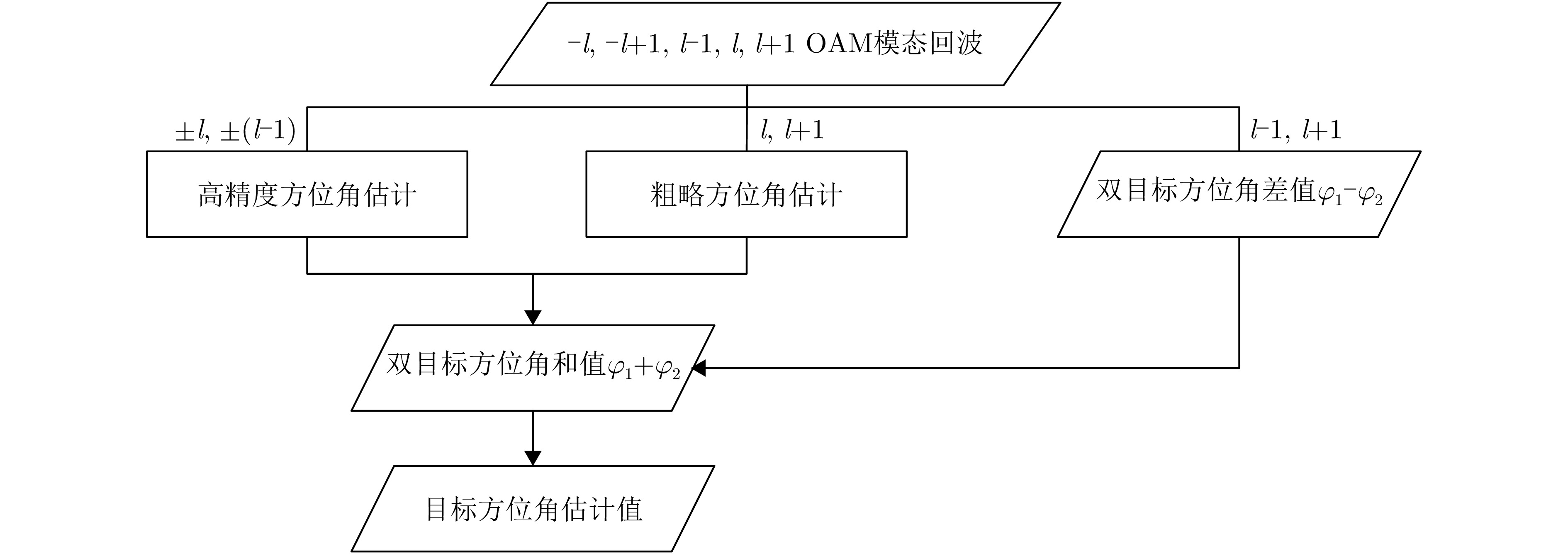
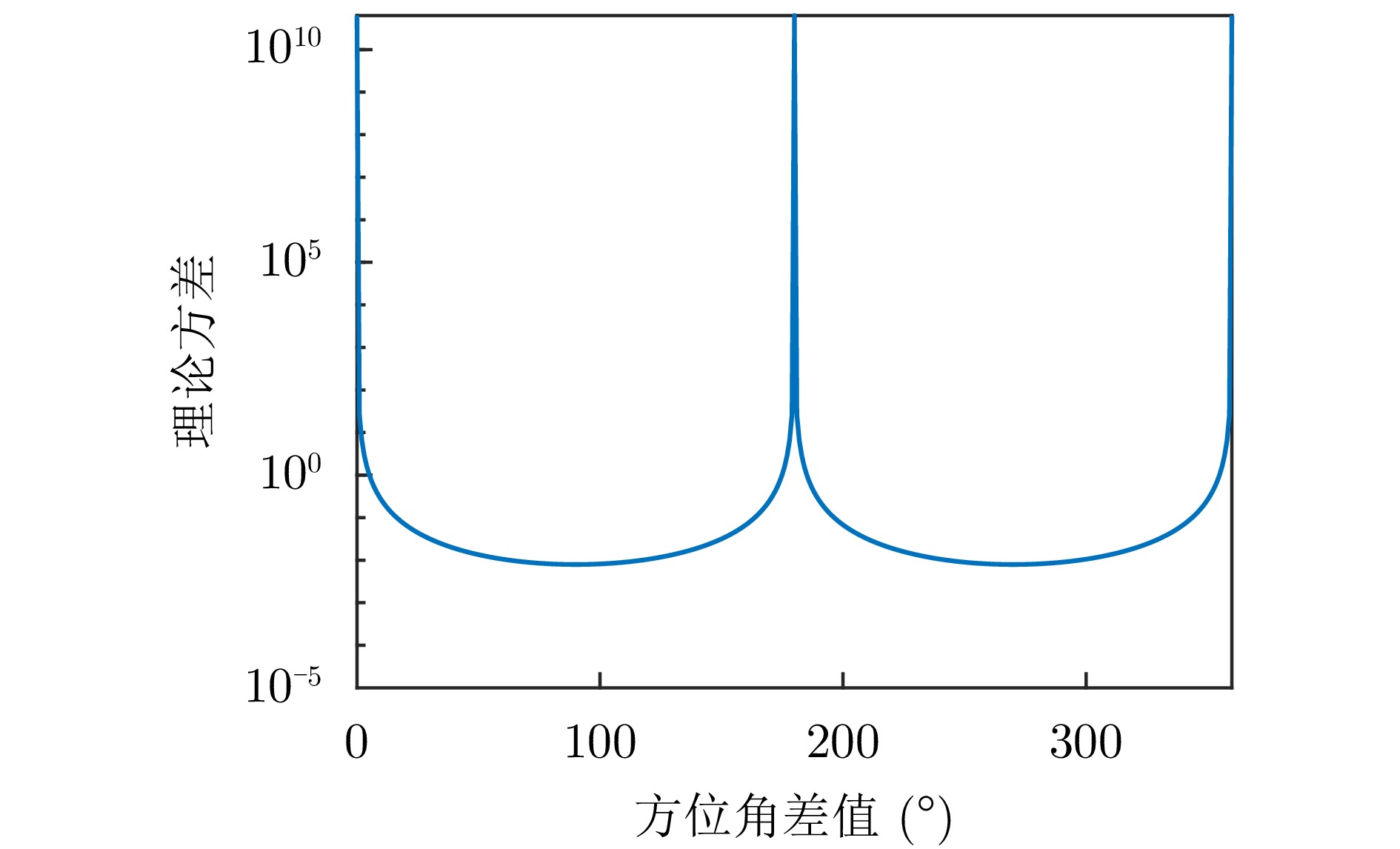
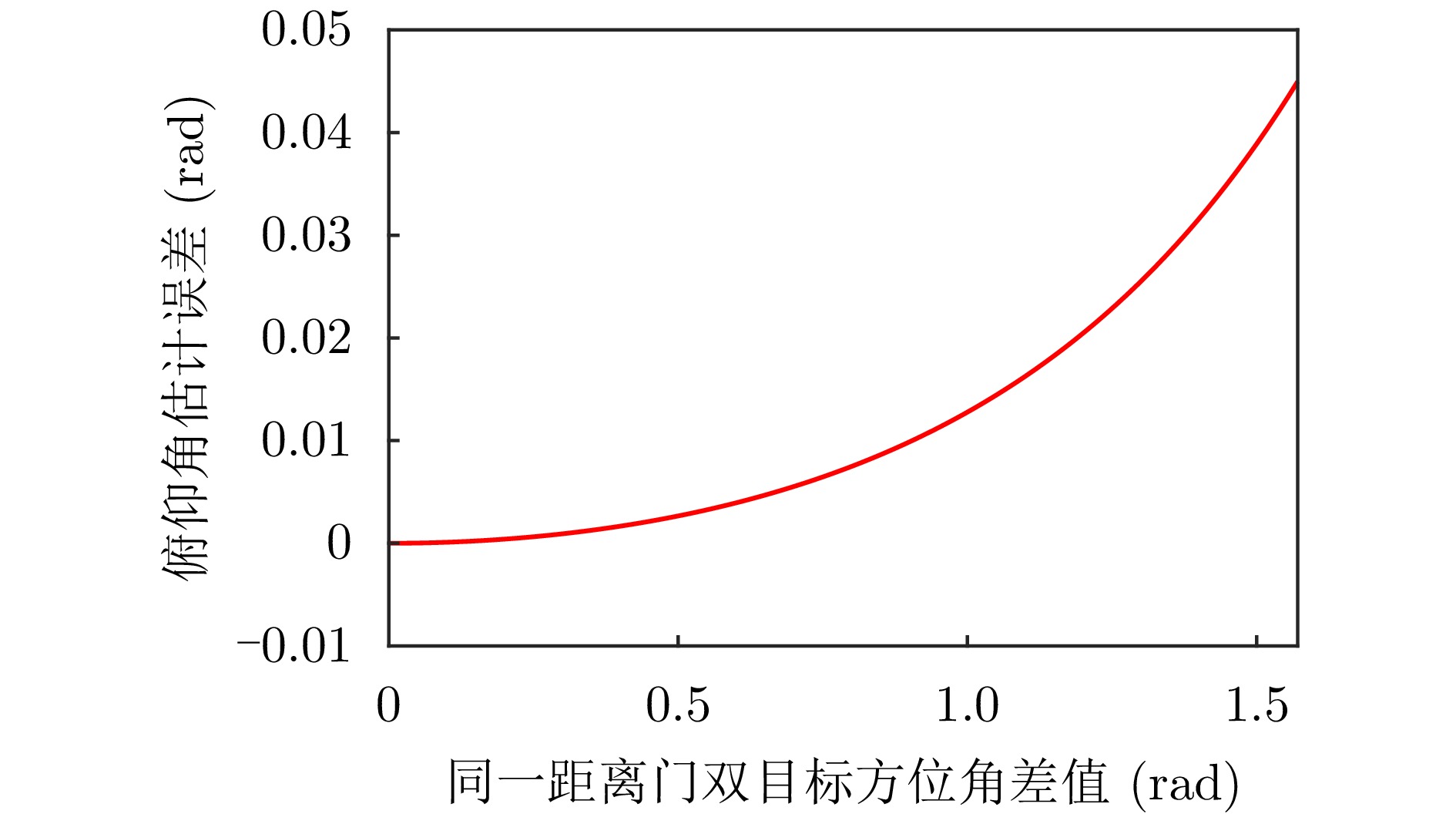
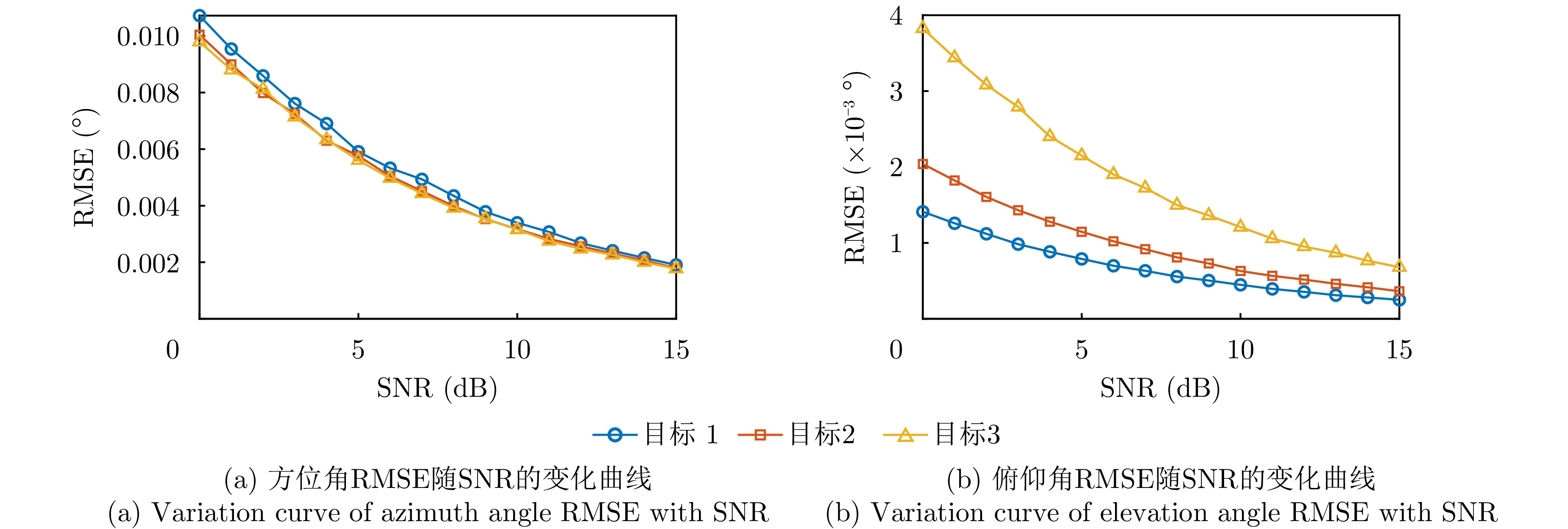
Compared with traditional radar systems, the Vortex Electromagnetic Wave (VEMW) radar based on Orbital Angular Momentum (OAM) provides additional degrees of freedom for target detection. However, most existing VEMW radar imaging and parameter estimation methods rely on a large number of OAM modes, which significantly increases the hardware cost and complexity of the system. Moreover, the introduction of high-order modes causes the main lobe of the VEMW to deviate from the region of interest while reducing the system’s robustness to noise, severely limiting its practical engineering applications. To address these limitations, this study proposes a three-dimensional target parameter estimation method based on limited OAM modes. First, a forward-looking imaging geometric model of the VEMW radar is constructed, and pulse compression technology is used to extract the target’s range information. Subsequently, the echo ratio between the sum and difference beams of dual OAM modes is constructed, and the symmetry of the Bessel function is utilized to estimate the target’s azimuth angle information. Finally, the echo signal ratio of adjacent OAM modes is constructed, and the recurrence property of the Bessel function is used to estimate the target’s elevation angle information. Furthermore, for a dual-target scenario within the same range bin, the echo signal ratio of adjacent OAM modes is constructed, and the target parameters are estimated by exploiting the phase difference characteristics of the echoes. In addition, this paper derives the Cramér-Rao lower bound for azimuth and elevation angle estimation and compares the root mean square error of the proposed closed-form three-dimensional estimation method with the theoretical lower bound. Numerical simulations and microwave anechoic chamber experiments show that the proposed method achieves reliable three-dimensional parameter estimation in multitarget and noisy environments, thereby verifying its effectiveness and engineering feasibility.
Compared with traditional radar systems, the Vortex Electromagnetic Wave (VEMW) radar based on Orbital Angular Momentum (OAM) provides additional degrees of freedom for target detection. However, most existing VEMW radar imaging and parameter estimation methods rely on a large number of OAM modes, which significantly increases the hardware cost and complexity of the system. Moreover, the introduction of high-order modes causes the main lobe of the VEMW to deviate from the region of interest while reducing the system’s robustness to noise, severely limiting its practical engineering applications. To address these limitations, this study proposes a three-dimensional target parameter estimation method based on limited OAM modes. First, a forward-looking imaging geometric model of the VEMW radar is constructed, and pulse compression technology is used to extract the target’s range information. Subsequently, the echo ratio between the sum and difference beams of dual OAM modes is constructed, and the symmetry of the Bessel function is utilized to estimate the target’s azimuth angle information. Finally, the echo signal ratio of adjacent OAM modes is constructed, and the recurrence property of the Bessel function is used to estimate the target’s elevation angle information. Furthermore, for a dual-target scenario within the same range bin, the echo signal ratio of adjacent OAM modes is constructed, and the target parameters are estimated by exploiting the phase difference characteristics of the echoes. In addition, this paper derives the Cramér-Rao lower bound for azimuth and elevation angle estimation and compares the root mean square error of the proposed closed-form three-dimensional estimation method with the theoretical lower bound. Numerical simulations and microwave anechoic chamber experiments show that the proposed method achieves reliable three-dimensional parameter estimation in multitarget and noisy environments, thereby verifying its effectiveness and engineering feasibility.




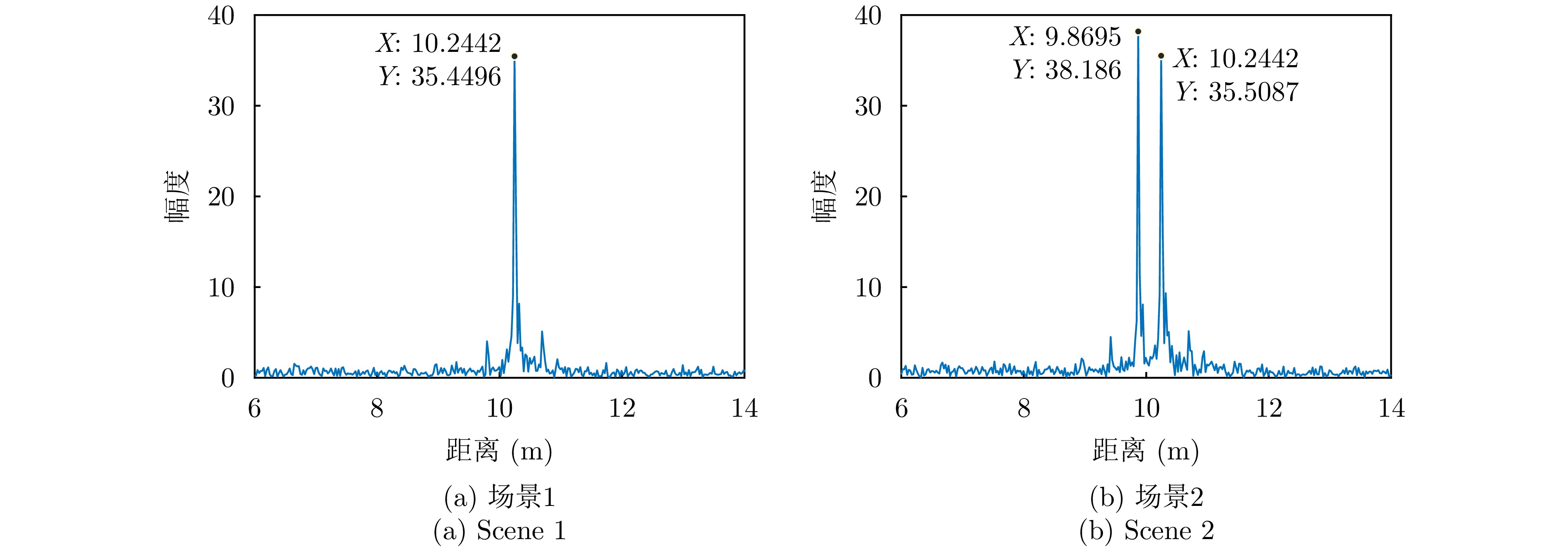

2026, 15(5): 1733-1743.
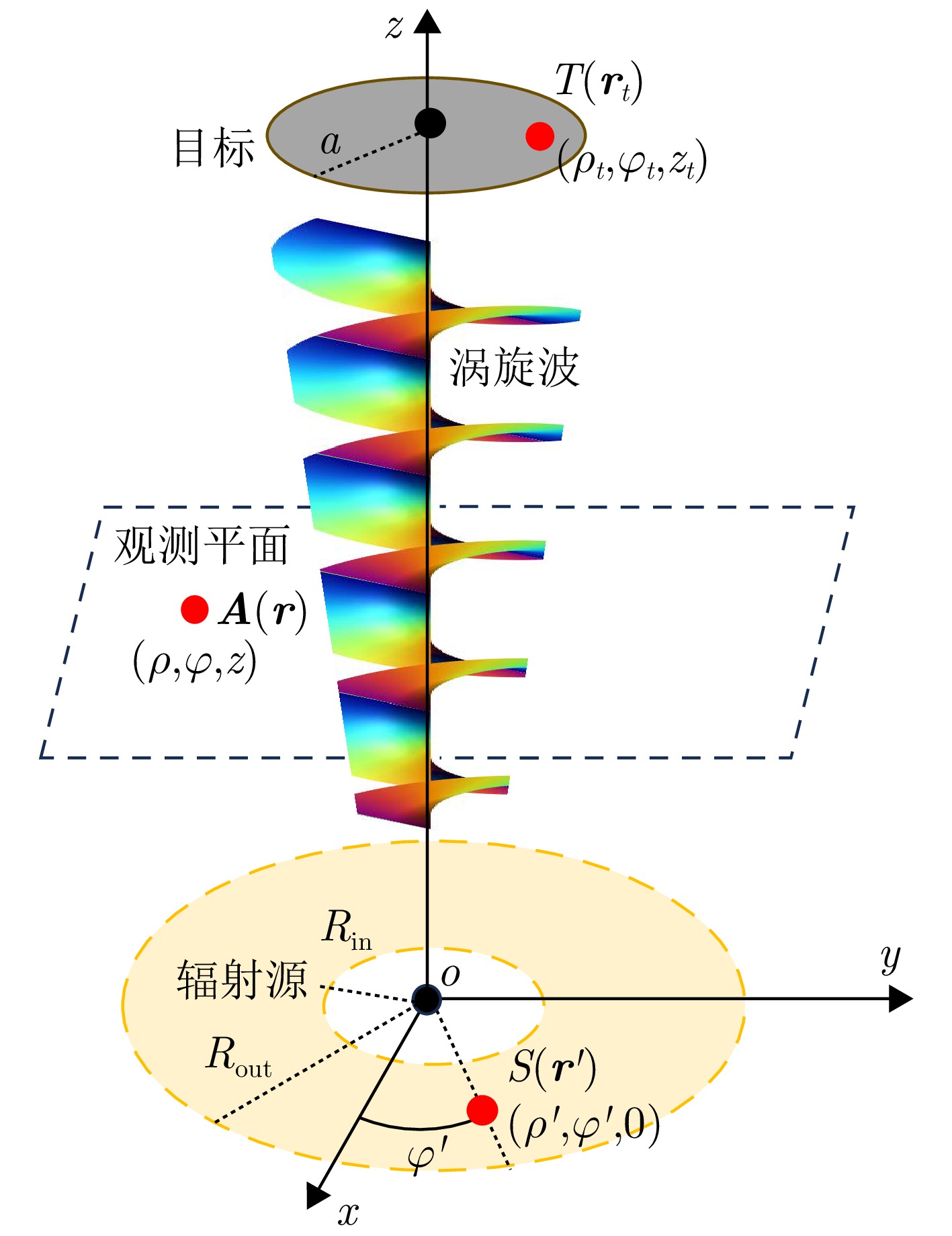
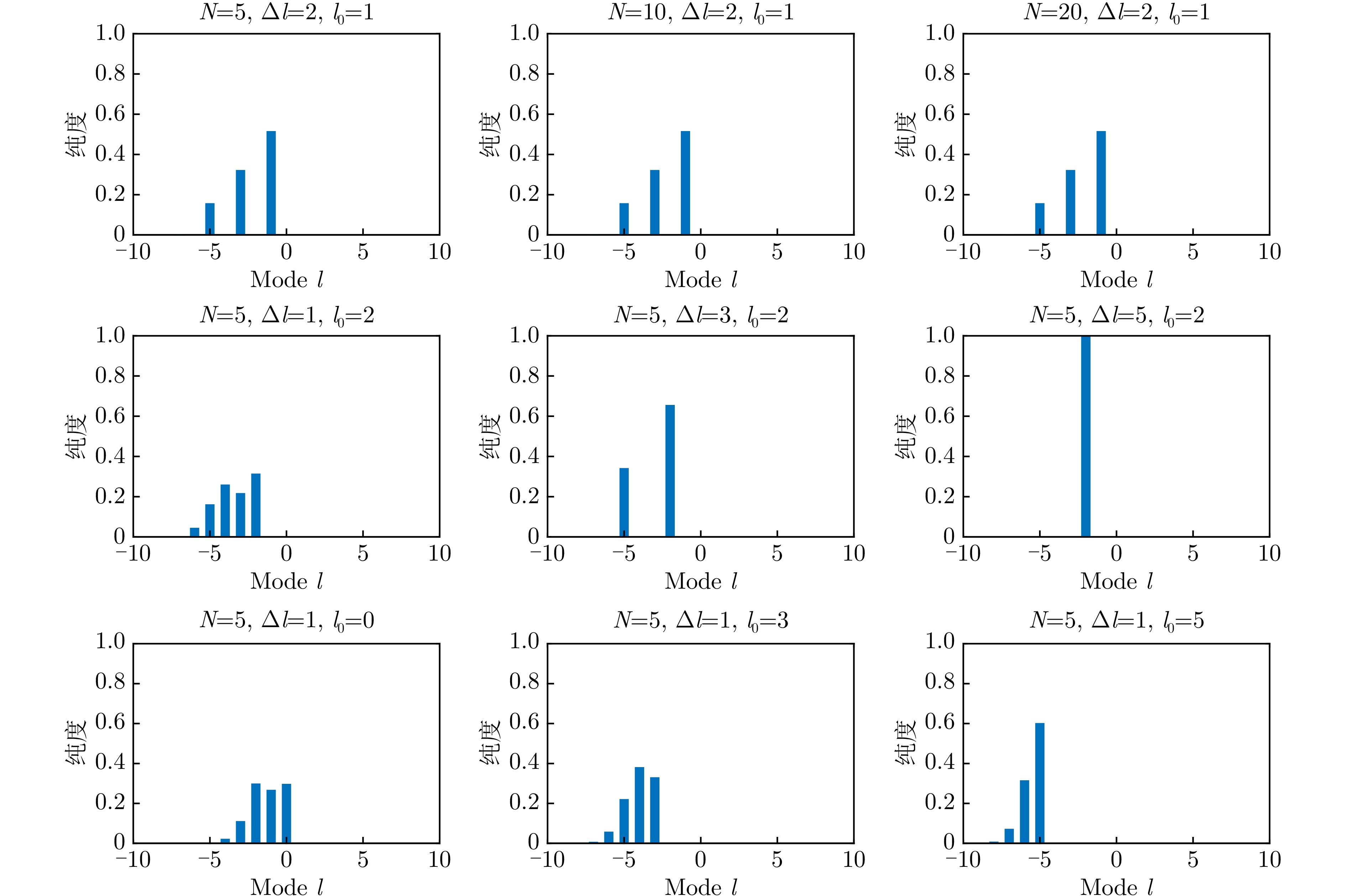
Multimode vortex electromagnetic waves, which carry mutually orthogonal Orbital Angular Momentum (OAM), have attracted extensive research interest in communications and radar systems due to their unique amplitude and phase characteristics. This study investigates the near-field scattering characteristics of metallic plate targets under the incidence of multimode vortex electromagnetic waves. First, an incidence model for multimode vortex waves is constructed based on annular aperture radiation theory, and the near-field scattering field of a perfect electric conductor circular plate is derived using the Physical Optics (PO) method. Subsequently, the effects of target longitudinal distance, transverse displacement, geometric features, and mode combination parameters (initial mode, mode interval, and number of modes) on the scattering characteristics are quantitatively analyzed, and the multimode Near-field OAM Radar Cross Section (NORCS) is calculated. The research results demonstrate that compared to plane wave incidence, the coherent superposition of multimode beams provides richer spatial feature information. The target’s efficiency in intercepting high-order mode energy significantly decreases with increasing propagation distance. Although the transverse displacement of the target induces substantial mode spectrum crosstalk, the original scattering features can be effectively reconstructed through vector superposition of scattering fields at symmetrical positions by exploiting spatial complementarity. Furthermore, the geometric shape of the target produces fine modulation on the scattering field when its size is comparable to that of the main lobe, and this modulation effect gradually diminishes as the target size increases. The theoretical calculations closely align with the simulation results, showing a main mode purity deviation of less than 0.0207 and a root mean square error of 0.054 in the scattering field amplitude distribution, thus verifying the accuracy of the theory. This study reveals the interaction mechanism between multimode vortex waves and targets, providing theoretical support for target recognition and imaging system design in future multimode vortex radar systems.
Multimode vortex electromagnetic waves, which carry mutually orthogonal Orbital Angular Momentum (OAM), have attracted extensive research interest in communications and radar systems due to their unique amplitude and phase characteristics. This study investigates the near-field scattering characteristics of metallic plate targets under the incidence of multimode vortex electromagnetic waves. First, an incidence model for multimode vortex waves is constructed based on annular aperture radiation theory, and the near-field scattering field of a perfect electric conductor circular plate is derived using the Physical Optics (PO) method. Subsequently, the effects of target longitudinal distance, transverse displacement, geometric features, and mode combination parameters (initial mode, mode interval, and number of modes) on the scattering characteristics are quantitatively analyzed, and the multimode Near-field OAM Radar Cross Section (NORCS) is calculated. The research results demonstrate that compared to plane wave incidence, the coherent superposition of multimode beams provides richer spatial feature information. The target’s efficiency in intercepting high-order mode energy significantly decreases with increasing propagation distance. Although the transverse displacement of the target induces substantial mode spectrum crosstalk, the original scattering features can be effectively reconstructed through vector superposition of scattering fields at symmetrical positions by exploiting spatial complementarity. Furthermore, the geometric shape of the target produces fine modulation on the scattering field when its size is comparable to that of the main lobe, and this modulation effect gradually diminishes as the target size increases. The theoretical calculations closely align with the simulation results, showing a main mode purity deviation of less than 0.0207 and a root mean square error of 0.054 in the scattering field amplitude distribution, thus verifying the accuracy of the theory. This study reveals the interaction mechanism between multimode vortex waves and targets, providing theoretical support for target recognition and imaging system design in future multimode vortex radar systems.




 微信 | 公众平台