
 Submit Manuscript
 Peer Review
 Editor Work
- Home
- Articles & Issues
-
Data
- Dataset of Radar Detecting Sea
- SAR Dataset
- SARGroundObjectsTypes
- SARMV3D
- AIRSAT Constellation SAR Land Cover Classification Dataset
- 3DRIED
- UWB-HA4D
- LLS-LFMCWR
- FAIR-CSAR
- MSAR
- SDD-SAR
- FUSAR
- SpaceborneSAR3Dimaging
- Sea-land Segmentation
- SAR Multi-domain Ship Detection Dataset
- SAR-Airport
- Hilly and mountainous farmland time-series SAR and ground quadrat dataset
- SAR images for interference detection and suppression
- HP-SAR Evaluation & Analytical Dataset
- GDHuiYan-ATRNet
- Multi-System Maritime Low Observable Target Dataset
- DatasetinthePaper
- DatasetintheCompetition
- Report
- Course
- About
- Publish
- Editorial Board
- Chinese
| Citation: | CHEN Jian, YU Gang, DU Lan, et al. Few-shot radar high-resolution range profile: Target recognition with simulated data assistance[J]. Journal of Radars, 2026, 15(2): 583–604. doi: 10.12000/JR25123

|
Few-shot Radar High-resolution Range Profile: Target Recognition with Simulated Data Assistance
DOI: 10.12000/JR25123 CSTR: 32380.14.JR25123
More Information-
Abstract
Research on target recognition using radar High-Resolution Range Profiles (HRRPs) is extensive and diverse in methodology. In particular, the application and development of deep learning to radar HRRP target recognition have enabled efficient, precise target perception directly from radar echoes. However, deep learning-based recognition networks rely on large amounts of training data. For non-cooperative targets, due to limited radar system parameters and rapid target attitude variations, acquiring adequate HRRP training samples that comprehensively cover target attitudes in advance is difficult in practice. Consequently, deep recognition networks are prone to overfitting and exhibit considerably degraded generalization capability. To address these issues, and given the ease of obtaining full-attitude electromagnetic simulation data for the target, this paper leverages simulated data as auxiliary information to mitigate the small-sample-size problem through data augmentation and cross-domain knowledge-transfer learning. For data augmentation, based on the analysis of differences in mean and variance between simulated and measured HRRPs within a given attitude-angle range, a linear transformation is applied to a set of simulated HRRPs spanning the same angular domain as a small set of measured HRRPs. This adjustment ensures that the simulated data’s mean and variance match the characteristics of the measured HRRPs, thereby achieving data augmentation that approximates the true distributional properties of HRRPs. Meanwhile, for cross-domain knowledge transfer learning, the proposed method introduces a domain alignment strategy based on generative adversarial constraints and a class alignment strategy based on contrastive learning constraints. These approaches draw the domain features of full-attitude simulation—strong discriminability and generalizability—closer to the measured domain features on a class-by-class basis, thereby further aiding learning from the measured domain data and leading to substantial improvements in few-shot recognition performance. Experimental results based on electromagnetic simulated and measured HRRP data for three and ten types of aircraft and ground vehicle targets, respectively, demonstrate that the proposed method yields superior recognition robustness compared with existing few-shot recognition methods. -

-
References
[1] LI Liya, LIU Hongwei, JIU Bo, et al. Polarization radar HRRP recognition based on kernel methods[C]. The 6th International Symposium on Neural Networks on Advances in Neural Networks, Wuhan, China, 2009: 304–311. doi: 10.1007/978-3-642-01510-6_35.[2] DU Lan, WANG Penghui, LIU Hongwei, et al. Radar HRRP target recognition based on dynamic multi-task hidden Markov model[C]. 2011 IEEE RadarCon (RADAR), Kansas City, USA, 2011: 253–255. doi: 10.1109/RADAR.2011.5960538.[3] PAN Mian, DU Lan, WANG Penghui, et al. Noise-robust modification method for Gaussian-based models with application to radar HRRP recognition[J]. IEEE Geoscience and Remote Sensing Letters, 2013, 10(3): 558–562. doi: 10.1109/LGRS.2012.2213234.[4] CHEN Bo, LIU Hongwei, and BAO Zheng. PCA and kernel PCA for radar high range resolution profiles recognition[C]. IEEE International Radar Conference, Arlington, USA, 2005: 528–533. doi: 10.1109/RADAR.2005.1435883.[5] ZHANG Xianda, SHI Yu, and BAO Zheng. A new feature vector using selected bispectra for signal classification with application in radar target recognition[J]. IEEE Transactions on Signal Processing, 2001, 49(9): 1875–1885. doi: 10.1109/78.942617.[6] PEI Bingnan and BAO Zheng. Multi-aspect radar target recognition method based on scattering centers and HMMs classifiers[J]. IEEE Transactions on Aerospace and Electronic Systems, 2005, 41(3): 1067–1074. doi: 10.1109/TAES.2005.1541451.[7] DU Lan, LIU Hongwei, BAO Zheng, et al. Radar automatic target recognition using complex high-resolution range profiles[J]. IET Radar, Sonar & Navigation, 2007, 1(1): 18–26. doi: 10.1049/iet-rsn:20050119.[8] LIU Hongwei, FENG Bo, CHEN Bo, et al. Radar high-resolution range profiles target recognition based on stable dictionary learning[J]. IET Radar, Sonar & Navigation, 2016, 10(2): 228–237. doi: 10.1049/iet-rsn.2015.0007.[9] FENG Bo, DU Lan, LIU Hongwei, et al. Radar HRRP target recognition based on K-SVD algorithm[C]. 2011 IEEE CIE International Conference on Radar, Chengdu, China, 2011: 642–645. doi: 10.1109/CIE-Radar.2011.6159622.[10] DU Lan, LIU Hongwei, BAO Zheng, et al. A two-distribution compounded statistical model for radar HRRP target recognition[J]. IEEE Transactions on Signal Processing, 2006, 54(6): 2226–2238. doi: 10.1109/TSP.2006.873534.[11] DU Lan, LIU Hongwei, and BAO Zheng. Radar HRRP statistical recognition: Parametric model and model selection[J]. IEEE Transactions on Signal Processing, 2008, 56(5): 1931–1944. doi: 10.1109/TSP.2007.912283.[12] BARAT C and DUCOTTET C. String representations and distances in deep Convolutional Neural Networks for image classification[J]. Pattern Recognition, 2016, 54: 104–115. doi: 10.1016/j.patcog.2016.01.007.[13] KRIZHEVSKY A, SUTSKEVER I, and HINTON G E. ImageNet classification with deep convolutional neural networks[C]. The 26th International Conference on Neural Information Processing Systems, Lake Tahoe, USA, 2012: 1106–1114.[14] ZHU Xiaoxiang, MONTAZERI S, ALI M, et al. Deep learning meets SAR: Concepts, models, pitfalls, and perspectives[J]. IEEE Geoscience and Remote Sensing Magazine, 2021, 9(4): 143–172. doi: 10.1109/MGRS.2020.3046356.[15] LUNDÉN J and KOIVUNEN V. Deep learning for HRRP-based target recognition in multistatic radar systems[C]. 2016 IEEE Radar Conference, Philadelphia, USA, 2016: 1–6. doi: 10.1109/RADAR.2016.7485271.[16] JITHESH V, SAGAYARAJ M J, and SRINIVASA K G. LSTM recurrent neural networks for high resolution range profile based radar target classification[C]. The 3rd International Conference on Computational Intelligence & Communication Technology, Ghaziabad, India, 2017: 1–6. doi: 10.1109/CIACT.2017.7977298.[17] GUO Dandan, CHEN Bo, CHEN Wenchao, et al. Variational temporal deep generative model for radar HRRP target recognition[J]. IEEE Transactions on Signal Processing, 2020, 68: 5795–5809. doi: 10.1109/TSP.2020.3027470.[18] JIANG Mengjuan, FAN Jiaqing, HE Jiangzhen, et al. Contrastive prototype network with prototype augmentation for few-shot classification[J]. Information Sciences, 2025, 686: 121372. doi: 10.1016/j.ins.2024.121372.[19] 宋益恒, 王彦华, 李阳, 等. 基于深度生成网络的雷达HRRP生成技术[J]. 信号处理, 2019, 35(6): 1118–1122. doi: 10.16798/j.issn.1003-0530.2019.06.025.SONG Yiheng, WANG Yanhua, LI Yang, et al. Radar HRRP generation using deep generative networks[J]. Journal of Signal Processing, 2019, 35(6): 1118–1122. doi: 10.16798/j.issn.1003-0530.2019.06.025.[20] GAO Xunzhang and PENG Xuan. Robust sequential high-resolution range profile recognition based on the infinite conditional restricted Boltzmann machine[J]. IET Radar, Sonar & Navigation, 2020, 14(1): 71–80. doi: 10.1049/iet-rsn.2019.0012.[21] 李昱琛, 索继东. 基于FEKO软件的高分辨距离像建模仿真[J]. 弹箭与制导学报, 2020, 40(4): 10–13, 19. doi: 10.15892/j.cnki.djzdxb.2020.04.003.LI Yuchen and SUO Jidong. Modeling and simulation of high resolution range profile based on FEKO software[J]. Missiles and Guidance, 2020, 40(4): 10–13, 19. doi: 10.15892/j.cnki.djzdxb.2020.04.003.[22] REN Zuyu, JIANG Weidong, and ZHANG Xinyu. Few-shot HRRP target recognition method based on Gaussian deep belief network and model-agnostic meta-learning[C]. 2022 7th International Conference on Signal and Image Processing, Suzhou, China, 2022: 260–264. doi: 10.1109/ICSIP55141.2022.9887225.[23] LI Jixi, LI Dongying, JIANG Yong, et al. Few-shot radar HRRP recognition based on improved prototypical network[C]. IEEE International Geoscience and Remote Sensing Symposium, Pasadena, USA, 2023: 5277–5280. doi: 10.1109/IGARSS52108.2023.10282950.[24] LONG Mingsheng, CAO Yue, WANG Jianmin, et al. Learning transferable features with deep adaptation networks[C]. The 32nd International Conference on Machine Learning, Lille, France, 2015: 97–105.[25] CHEN Zhuo, ZHAO Lingjun, HE Qishan, et al. Pixel-level and feature-level domain adaptation for heterogeneous SAR target recognition[J]. IEEE Geoscience and Remote Sensing Letters, 2022, 19: 4515205. doi: 10.1109/LGRS.2022.3214750.[26] ZHOU Qiang, WANG Yanhua, ZHANG Xin, et al. Domain-adaptive HRRP generation using two-stage denoising diffusion probability model[J]. IEEE Geoscience and Remote Sensing Letters, 2024, 21: 3504305. doi: 10.1109/LGRS.2024.3379275.[27] LI Shuai, LI Wentao, HUANG Pengjun, et al. MTBC: Masked vision transformer and Brownian distance covariance classifier for cross-domain few-shot HRRP recognition[J]. IEEE Sensors Journal, 2025, 25(9): 16440–16454. doi: 10.1109/JSEN.2025.3550584.[28] 王鹏辉. 基于统计建模的雷达高分辨距离像目标识别方法研究[D]. [博士论文], 西安电子科技大学, 2012. doi: 10.7666/d.D216350.WANG Penghui. Study of radar high resolution range profile target recognition based on statistical modeling[D]. [Ph.D. dissertation], Xidian University, 2012. doi: 10.7666/d.D216350.[29] 杜兰. 雷达高分辨距离像目标识别方法研究[D]. [博士论文], 西安电子科技大学, 2007. doi: 10.7666/d.Y1137516.DU Lan. Study on radar HRRP target recognition[D]. [Ph.D. dissertation], Xidian University, 2007. doi: 10.7666/d.Y1137516.[30] CHEN Jian, DU Lan, GUO Guanbo, et al. Target-attentional CNN for radar automatic target recognition with HRRP[J]. Signal Processing, 2022, 196: 108497. doi: 10.1016/j.sigpro.2022.108497.[31] GANIN Y and LEMPITSKY V S. Unsupervised domain adaptation by backpropagation[C]. The 32nd International Conference on Machine Learning, Lille, France, 2015: 1180–1189.[32] KONG Yingying, ZHANG Yuxuan, PENG Xiangyang, et al. Few-shot high-resolution range profile ship target recognition based on task-specific meta-learning with mixed training and meta embedding[J]. Remote Sensing, 2023, 15(22): 5301. doi: 10.3390/rs15225301.[33] 潘勉. 雷达高分辨距离像目标识别技术研究[D]. [博士论文], 西安电子科技大学, 2013. doi: 10.7666/d.D362993.PAN Mian. Study of radar target recognition technology based on high range resolution profile[D]. [Ph.D. dissertation], Xidian University, 2013. doi: 10.7666/d.D362993. -
Proportional views

- Publishing Ethics
- Journal Insights
- Abstracting & Indexing
- Peer Review Policies
- Guide for Authors
- Conference
- ISSN 2095-283X (Print)ISSN 2097-339X (Online)
- CN 10-1030/TN
- CODEN LXEUAO
About Journal
- Sponsor: China Radio Detection and Ranging Industry Association (CRIA)
- Phone: 010-58887062
- Email:radars@aircas.ac.cn
- Publisher: Leida Xuebao Bianjibu (Editorial office of the Journal of Radars)
Contacts Us

京ICP备20021838号-14
Supported by: Beijing Renhe Information Technology Co. Ltd

Export File
Citation
Format
Content
 DownLoad:
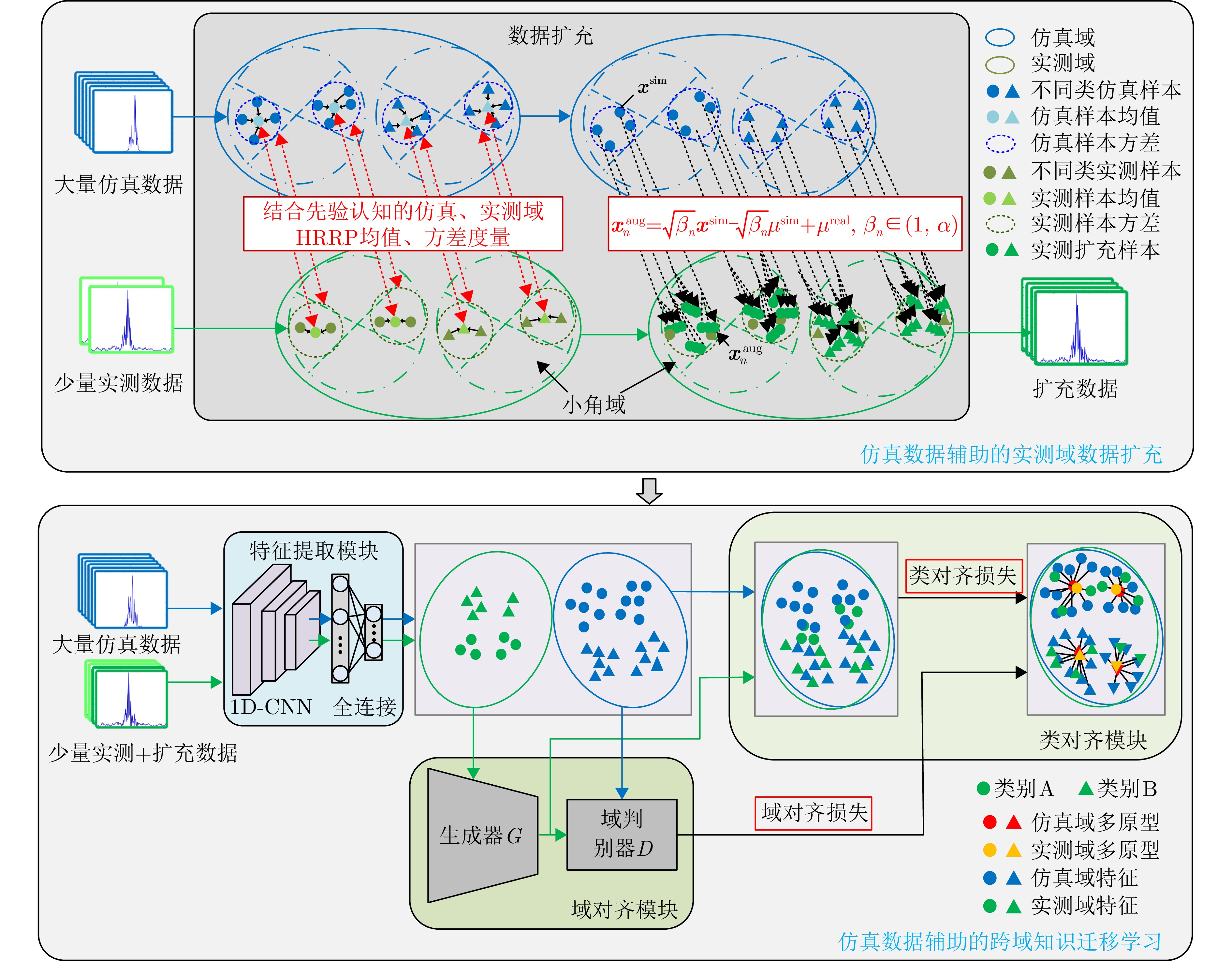
- Figure 1. Overall framework diagram of simulated data assisted few-shot radar HRRP target recognition method
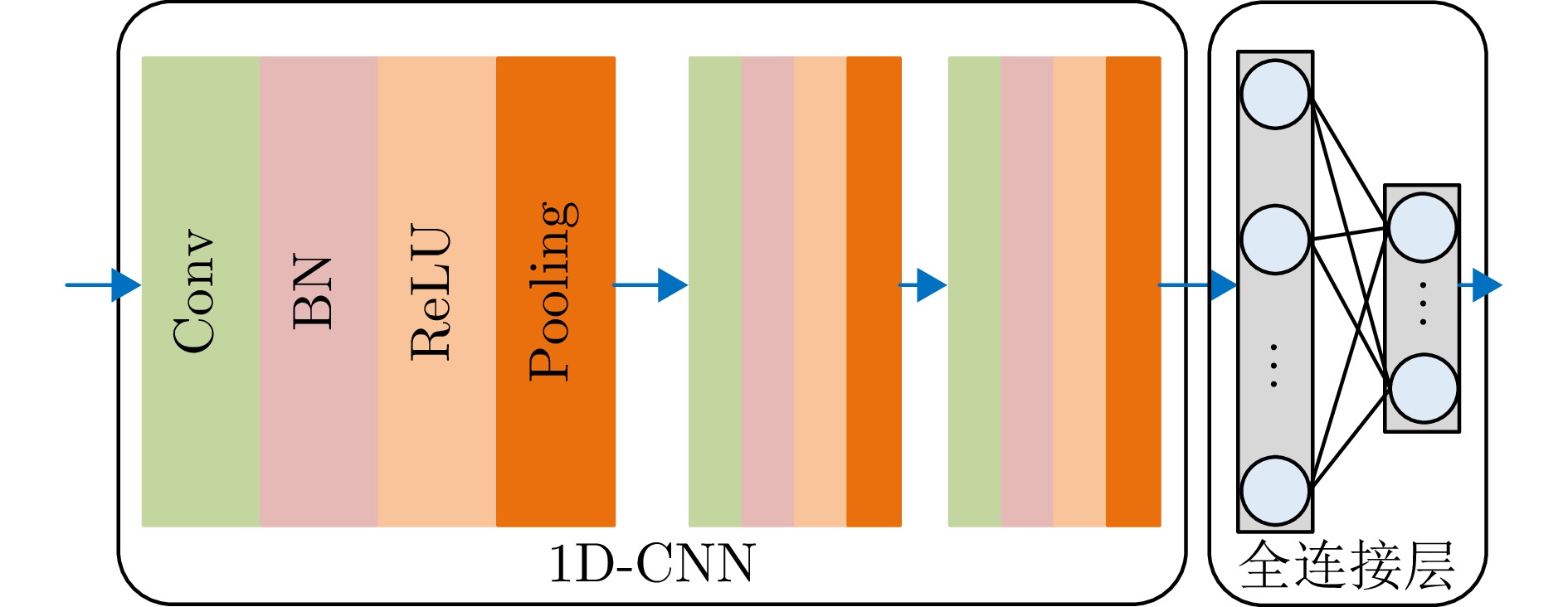
- Figure 2. Schematic diagram of feature extraction module structure
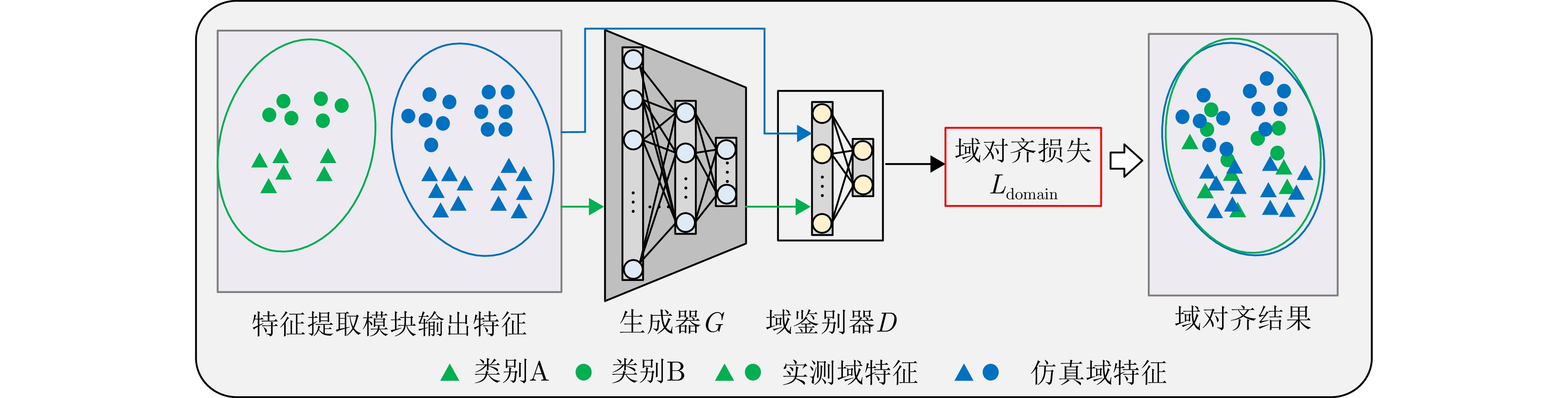
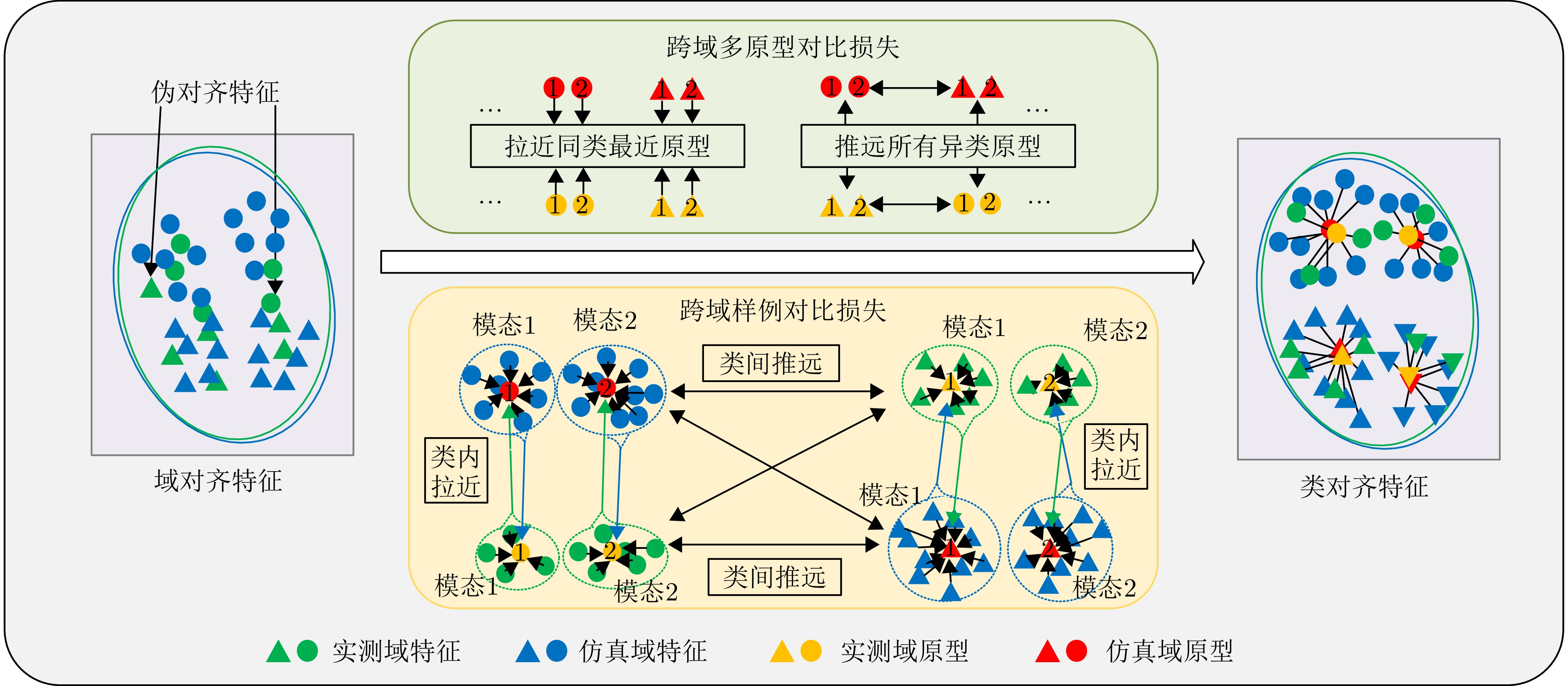
- Figure 3. Schematic diagram of domain alignment
- Figure 4. Schematic diagram of class alignment
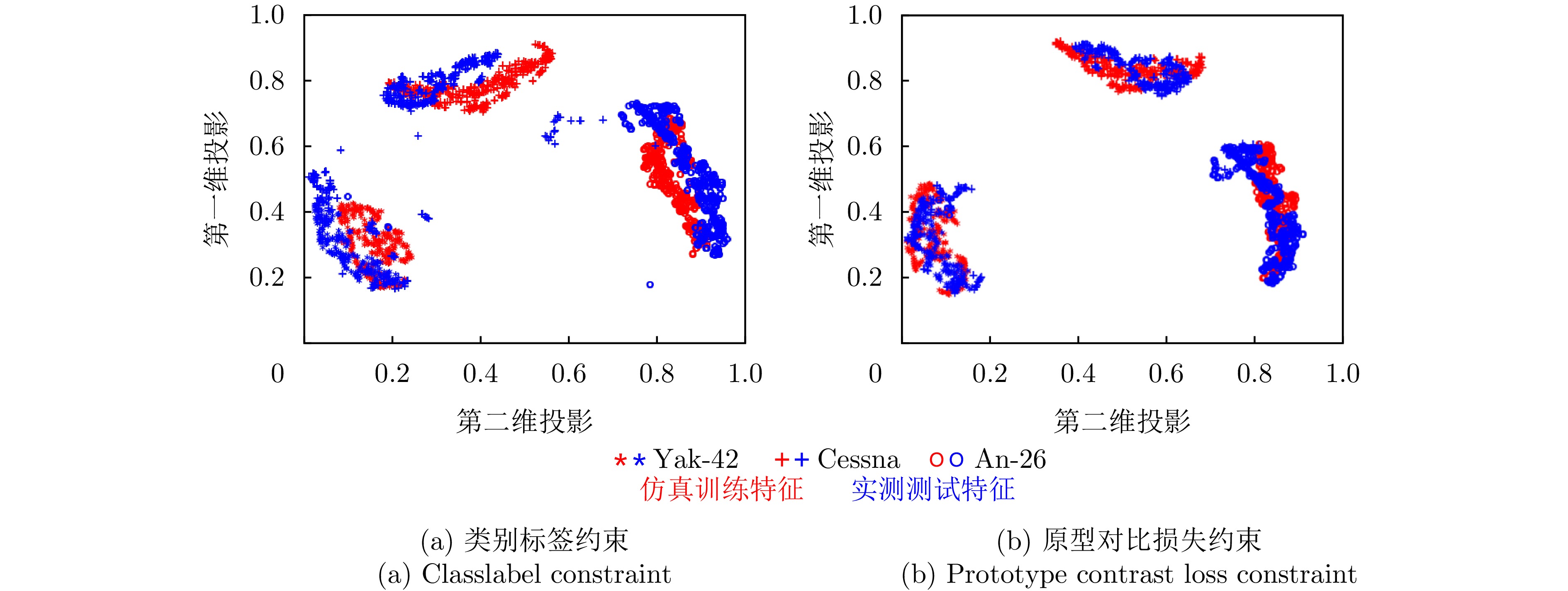
- Figure 5. Visualization of feature alignment under different class alignment constraints for simulated HRRPs and measured test HRRPs with 10 HRRP samples per class
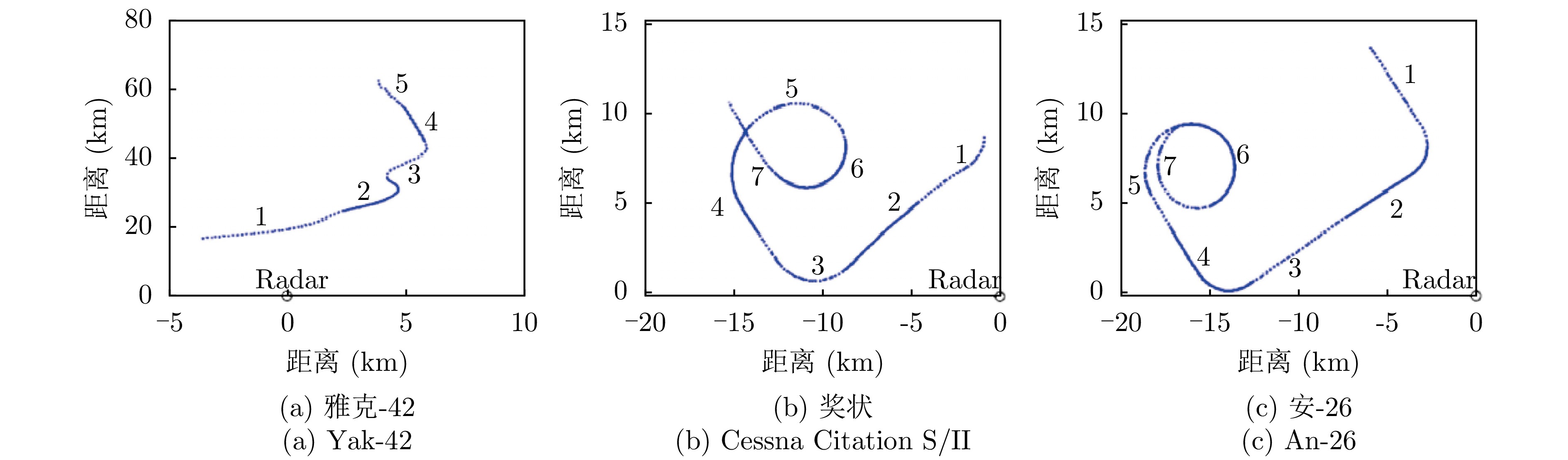
- Figure 6. Projection diagram of trajectories of three types of aircraft targets onto the ground plane
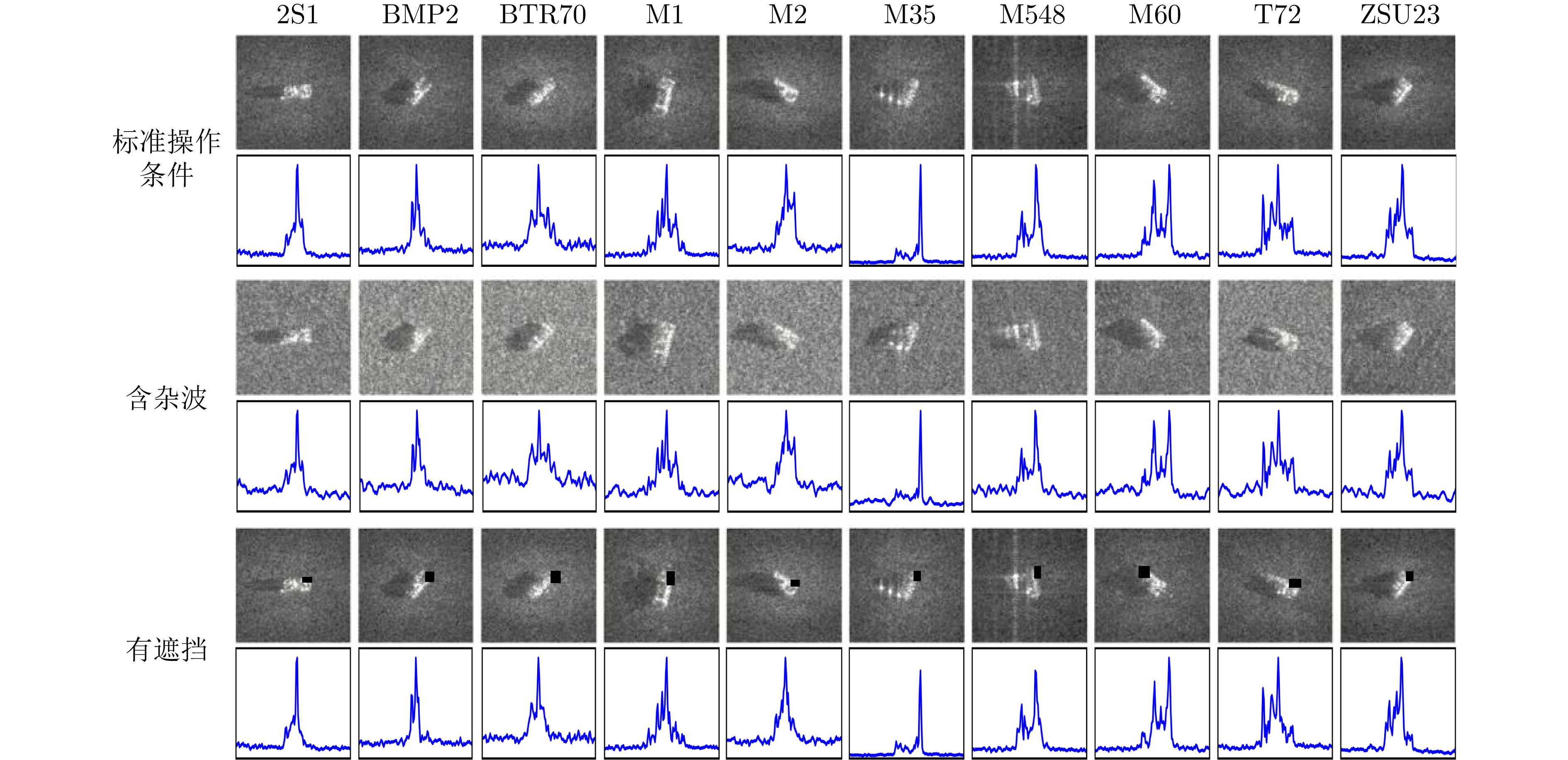
- Figure 7. Scene condition settings for the SAMPLE dataset and corresponding sample examples of various types
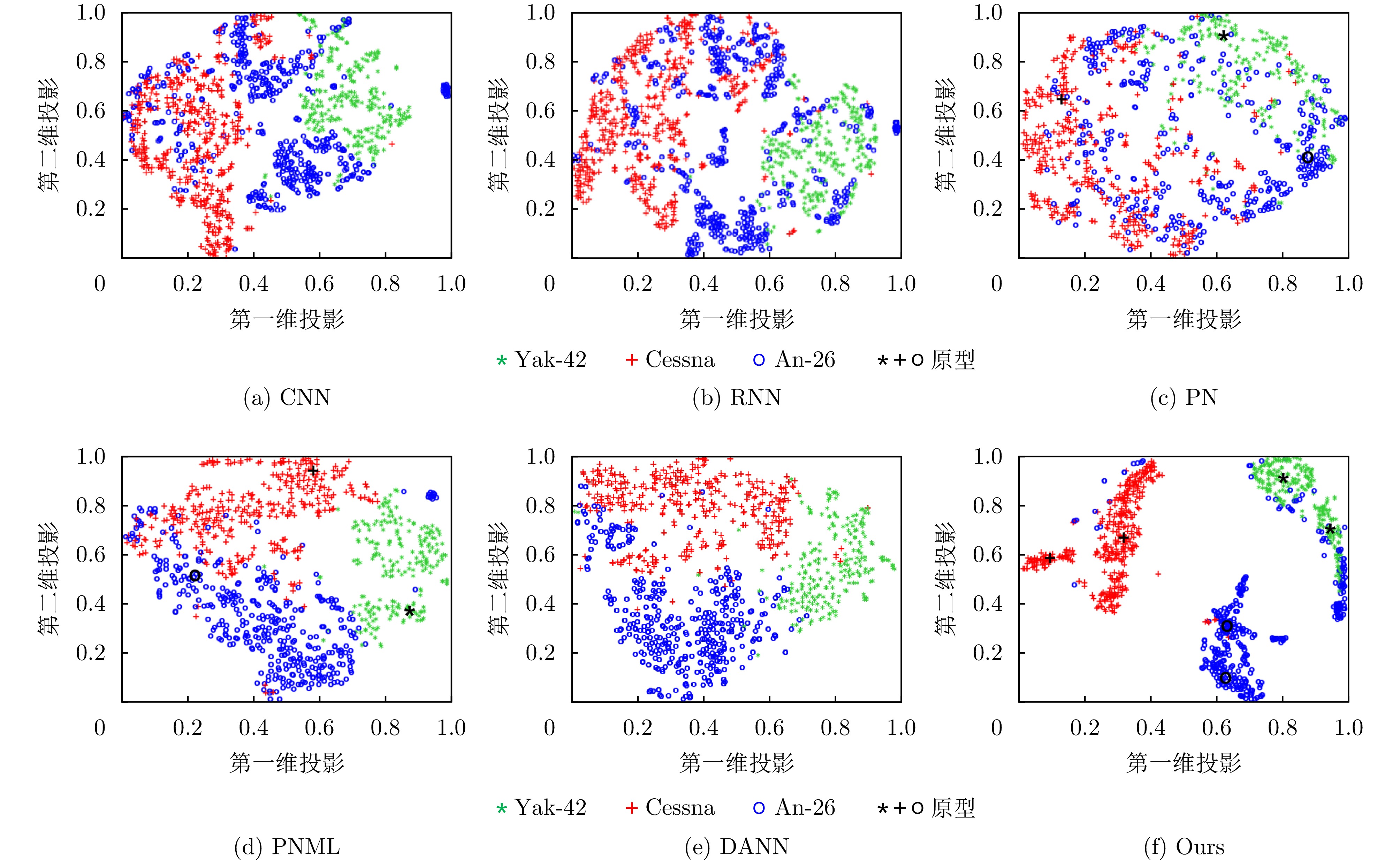
- Figure 8. Feature visualization comparisons of different methods on the measured HRRP test set in the condition of 10 HRRP training samples per class
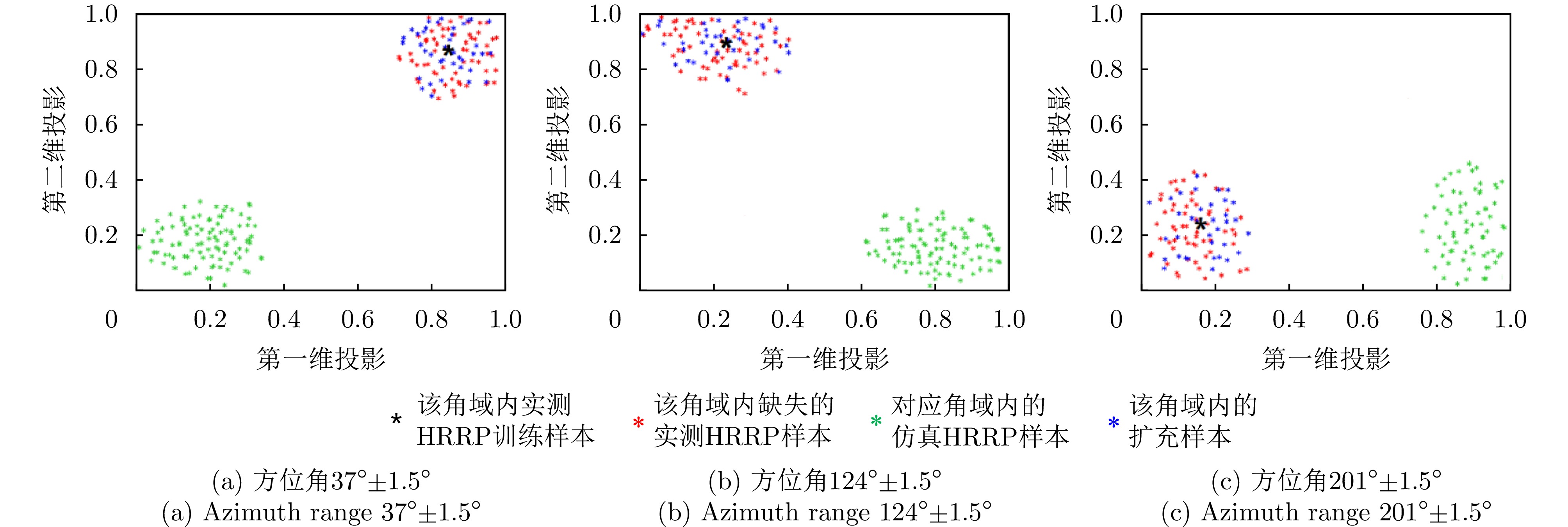
- Figure 9. HRRP data visualizations of Yak-42 within different angular domains
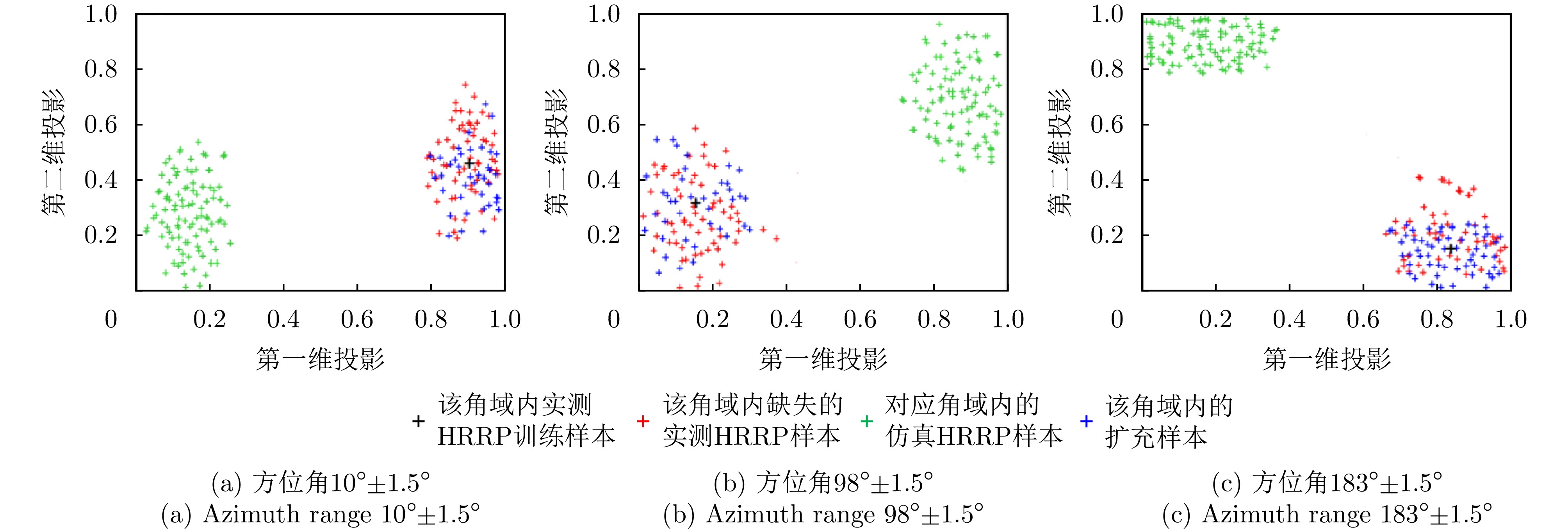
- Figure 10. HRRP data visualizations of Cessna Citation within different angular domains
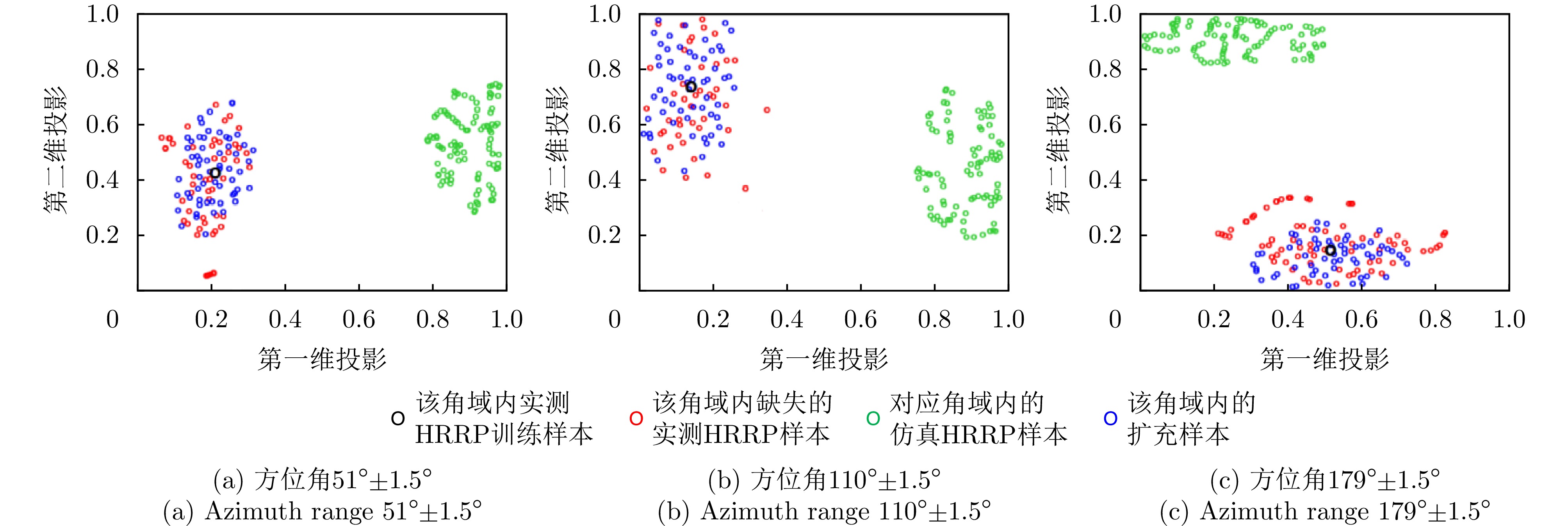
- Figure 11. HRRP data visualizations of An-26 within different azimuth domains
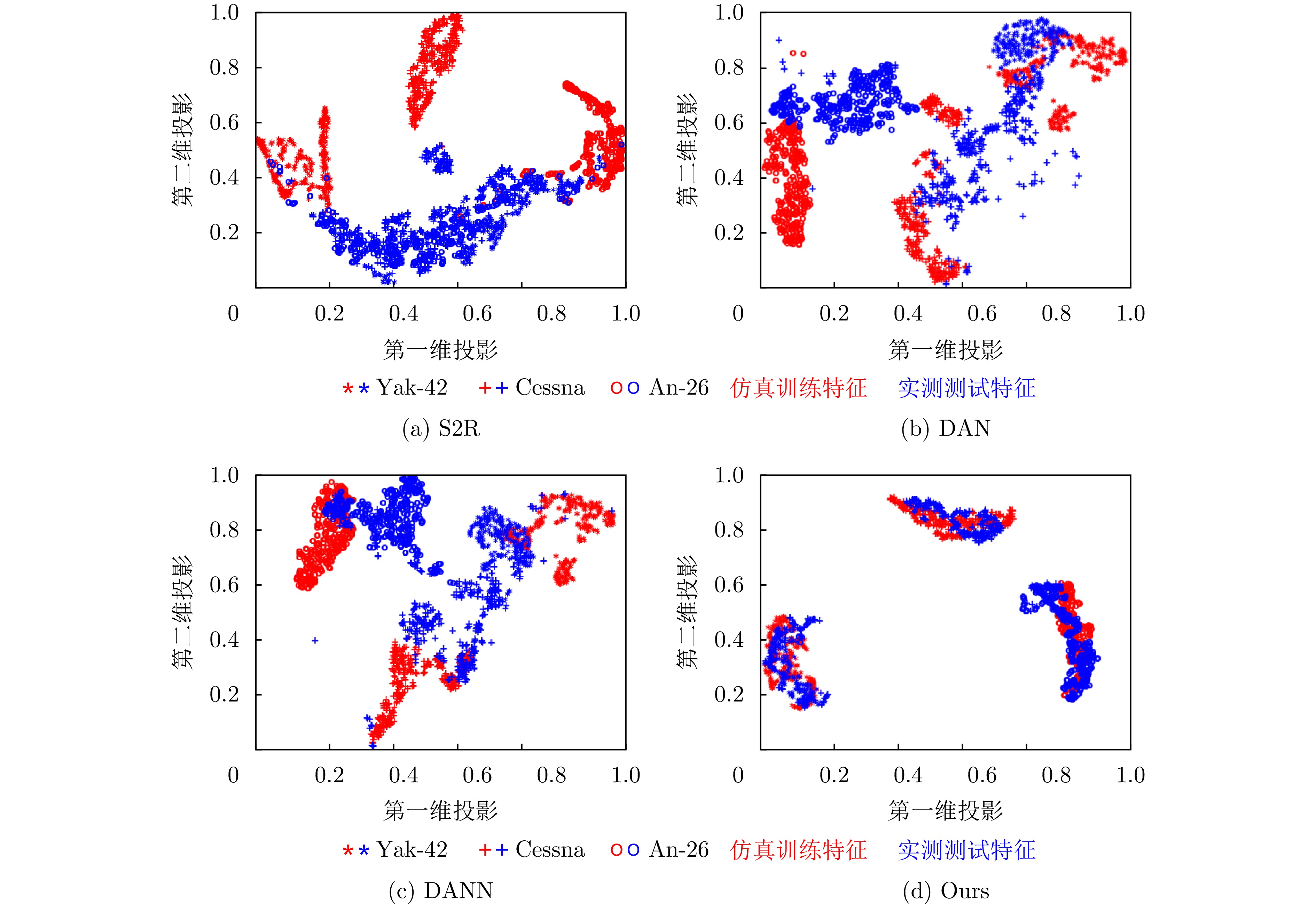
- Figure 12. Feature visualizations of simulated HRRPs and measured test HRRPs for different methods in the condition of 10 HRRP training samples per class
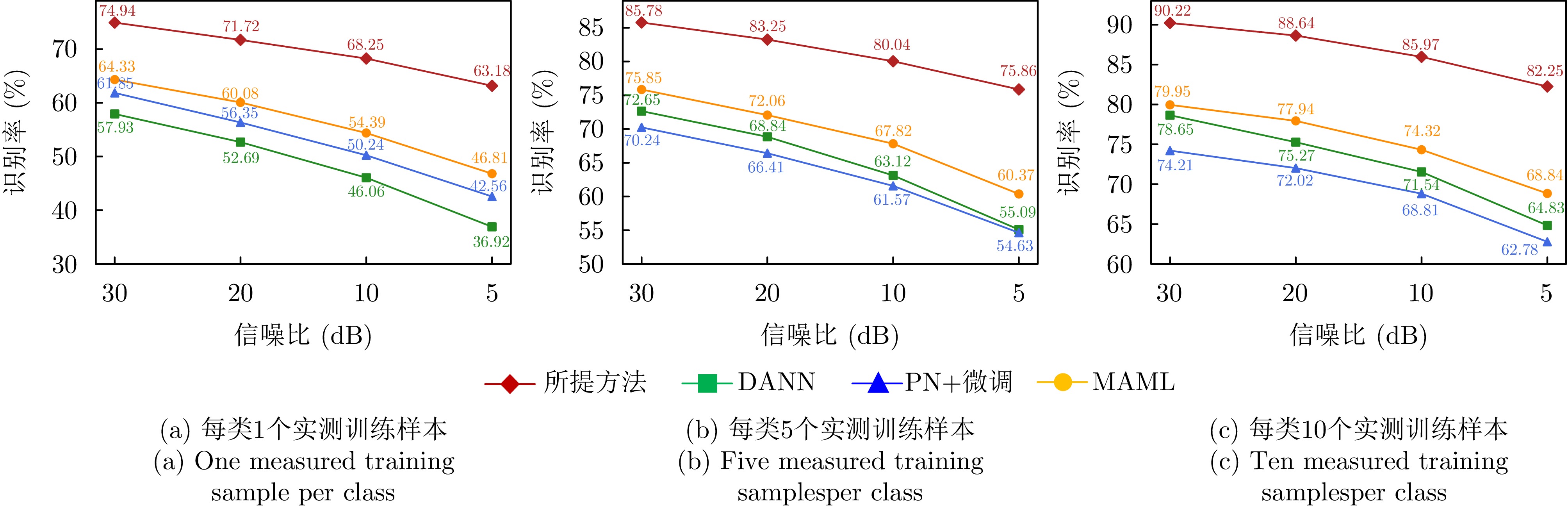
- Figure 13. The variation of HRRP recognition performance of three types of aircraft targets with the signal-to-noise ratio under different measured training sample numbers
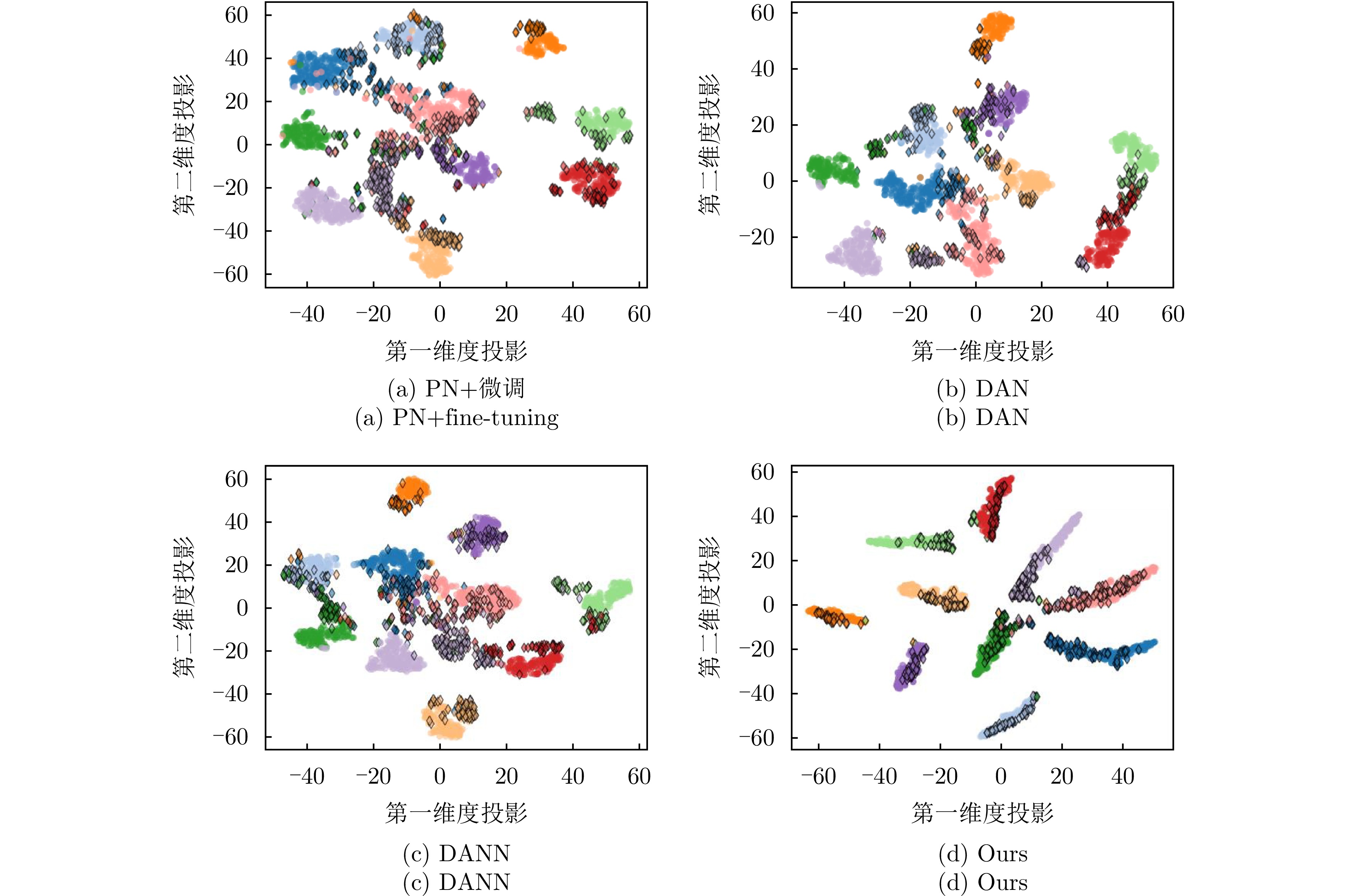
- Figure 14. Visualization of the features of different methods on the simulated training HRRP and the measured test HRRP data under the condition of 10 measured HRRP training samples per class
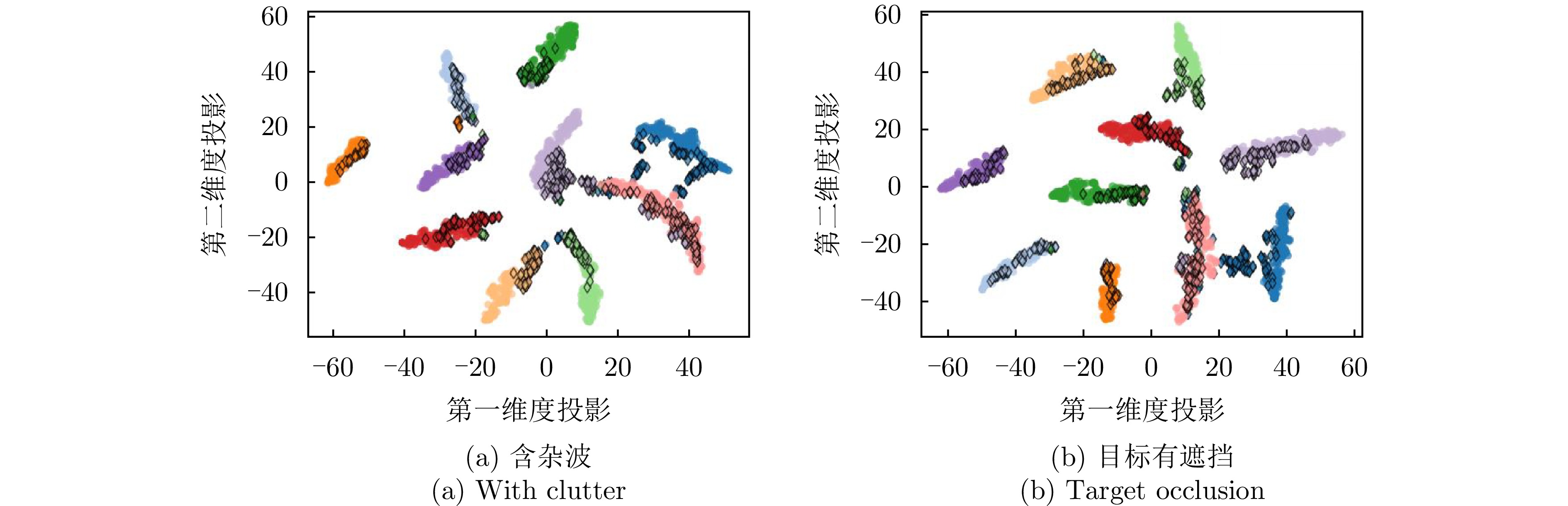
- Figure 15. Feature visualization of the proposed method (10 measured training HRRPs per class) on measured HRRP data under conditions with clutter or target occlusion